Why the Sidewalk Beats the Prescription Pad
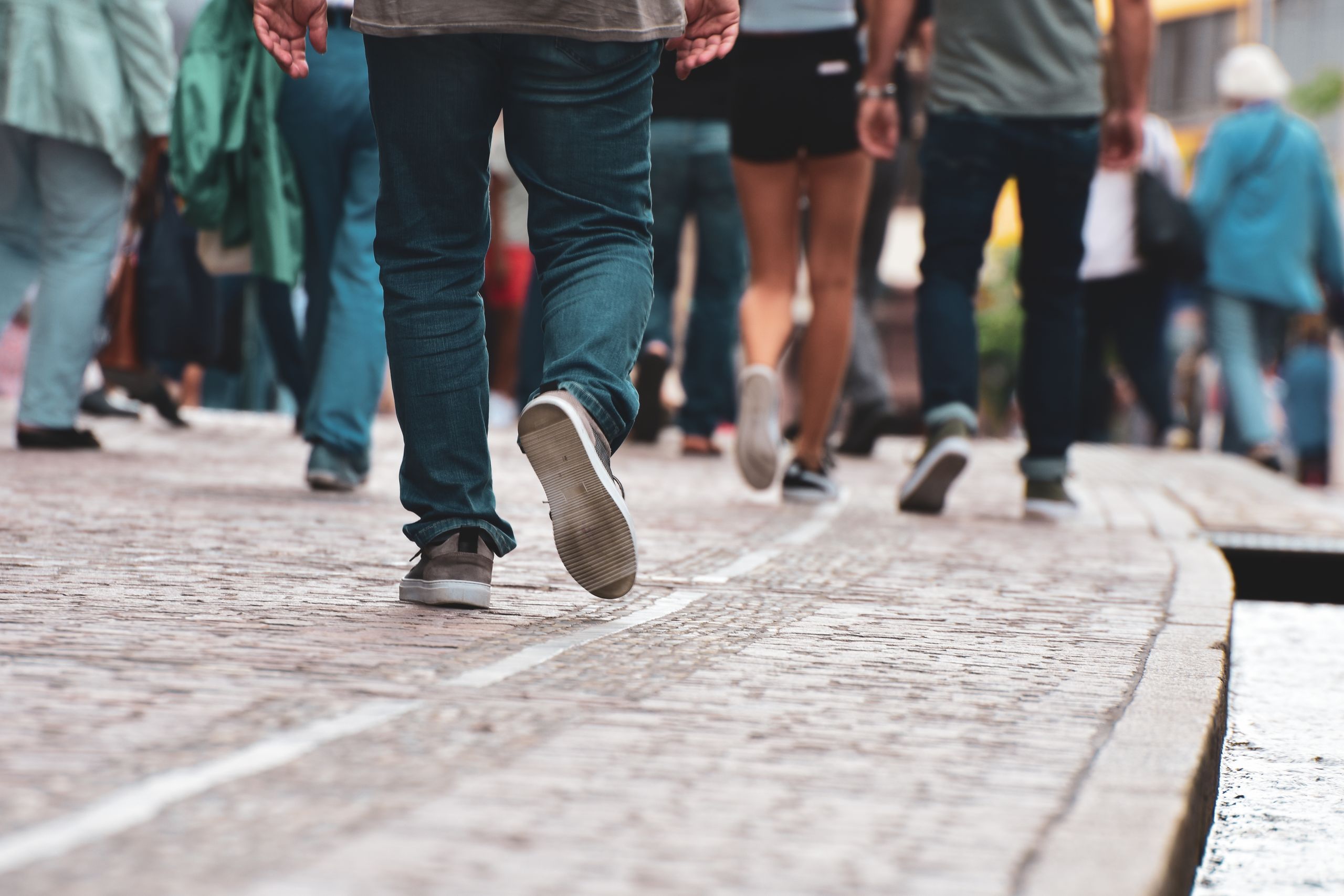
A sidewalk. That’s all it takes. A pair of shoes, and someone to walk beside you.
In Latino neighborhoods across the country, walking groups are forming as quiet, potent mental health interventions — and the science is finally catching up. In Milwaukee, groups gather on the South Side. Running clubs meet in Los Angeles. And in kitchens from Houston to Hartford, families are doing what they’ve always done: finishing dinner, pushing back from the table, and stepping outside together. The difference now is that researchers, clinicians, and community organizers are finally naming what these practices actually do. Latino walking groups and mental health have become a serious area of study, and what the evidence shows is striking. These aren’t just exercise. They’re some of the most effective low-barrier mental health interventions available to Latino communities, and the mechanism isn’t primarily cardiovascular. It’s social.
Why Group Walking Works Beyond Cardio Fitness
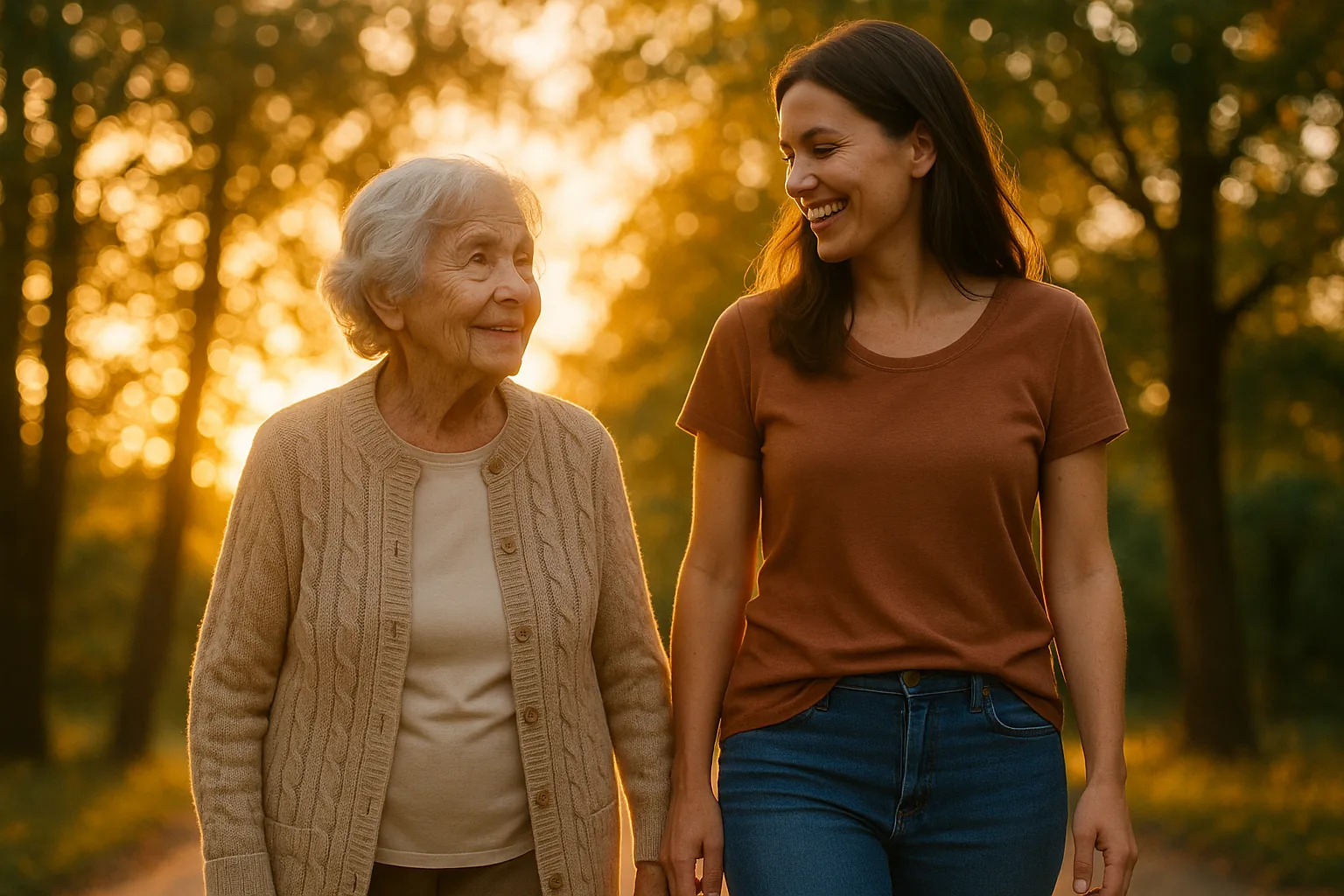
The standard pitch for walking is metabolic. It lowers blood pressure. It improves insulin sensitivity. It burns a modest number of calories. All true, all documented, and all beside the point when you’re talking about why a Tuesday evening walk around the block with your mother-in-law might be keeping your anxiety in check.
The mental health benefit of walking in groups doesn’t come from the walking alone. It comes from the combination of rhythmic physical movement and real-time social connection occurring in a low-pressure, culturally familiar context. When researchers at the University of Illinois designed the HOLA intervention for older Latinos, they didn’t call it a walking program. They called it “Caminando y socializando,” walking and socializing, because the socializing was the intervention as much as the steps. In a randomized clinical trial published by lead researcher David Marquez and colleagues (2020), 60% of participants in the HOLA group achieved clinically meaningful reductions in anxiety, compared with 26.7% in the health education control group. That’s not a marginal effect. That’s the kind of result that, if it came from a pharmaceutical, would generate a press release.
What made the difference wasn’t mileage. It was the structured social interaction layered on top of movement. Participants walked together, talked together, built routines together. The walking created a predictable context for connection. The connection did the therapeutic work.
This tracks with a broader body of evidence. The “¡Caminemos!” study (Arredondo et al., 2017), which enrolled older Hispanic and Latino adults in a structured exercise program, found that participation was associated with lower depressive symptoms over time. The researchers noted that the group format appeared to matter as much as the physical activity itself. Participants weren’t just moving more. They were showing up for each other.
The Loneliness Crisis Latinos Don’t Talk About

Here’s what most people get wrong: they assume loneliness is a problem for the elderly, for people living alone, for populations without strong family networks. They look at Latino culture, see the big families and the Sunday gatherings, and assume isolation isn’t an issue. That assumption is dangerously wrong.
A 2023 advisory from the U.S. Surgeon General identified loneliness as a public health epidemic. The often-cited comparison — that chronic loneliness carries health risks equivalent to smoking up to 15 cigarettes a day — comes from Julianne Holt-Lunstad’s 2015 meta-analysis in *Perspectives on Psychological Science*, which the advisory drew upon. Either way, the risk is real, and Latino communities are not exempt. First-generation immigrants face language barriers, documentation fears, and geographic separation from extended family networks. Second- and third-generation Latinos often navigate cultural displacement in both directions, not quite fitting the expectations of their parents’ culture or the mainstream one they grew up in. And Latino men face a particular kind of silence. Mental health stigma in many Latino households runs deep, shaped in part by machismo norms that frame emotional vulnerability as weakness. That said, a growing number of Latino men and community organizations are actively pushing against this framing — building spaces where strength and openness aren’t treated as opposites. The shift is real, even if it’s slow.
The result is a population that may be surrounded by people but still profoundly isolated in ways that matter for mental health. A longitudinal study of older Latinos found that depressive symptoms predicted less walking over time, suggesting a bidirectional relationship: depression pulls people off the sidewalk, and getting back on the sidewalk may help break the cycle. But you can’t break it alone. That’s the key insight. The intervention isn’t “go for a walk.” The intervention is “go for a walk with someone.”
Soccer Leagues as Informal Therapy Networks
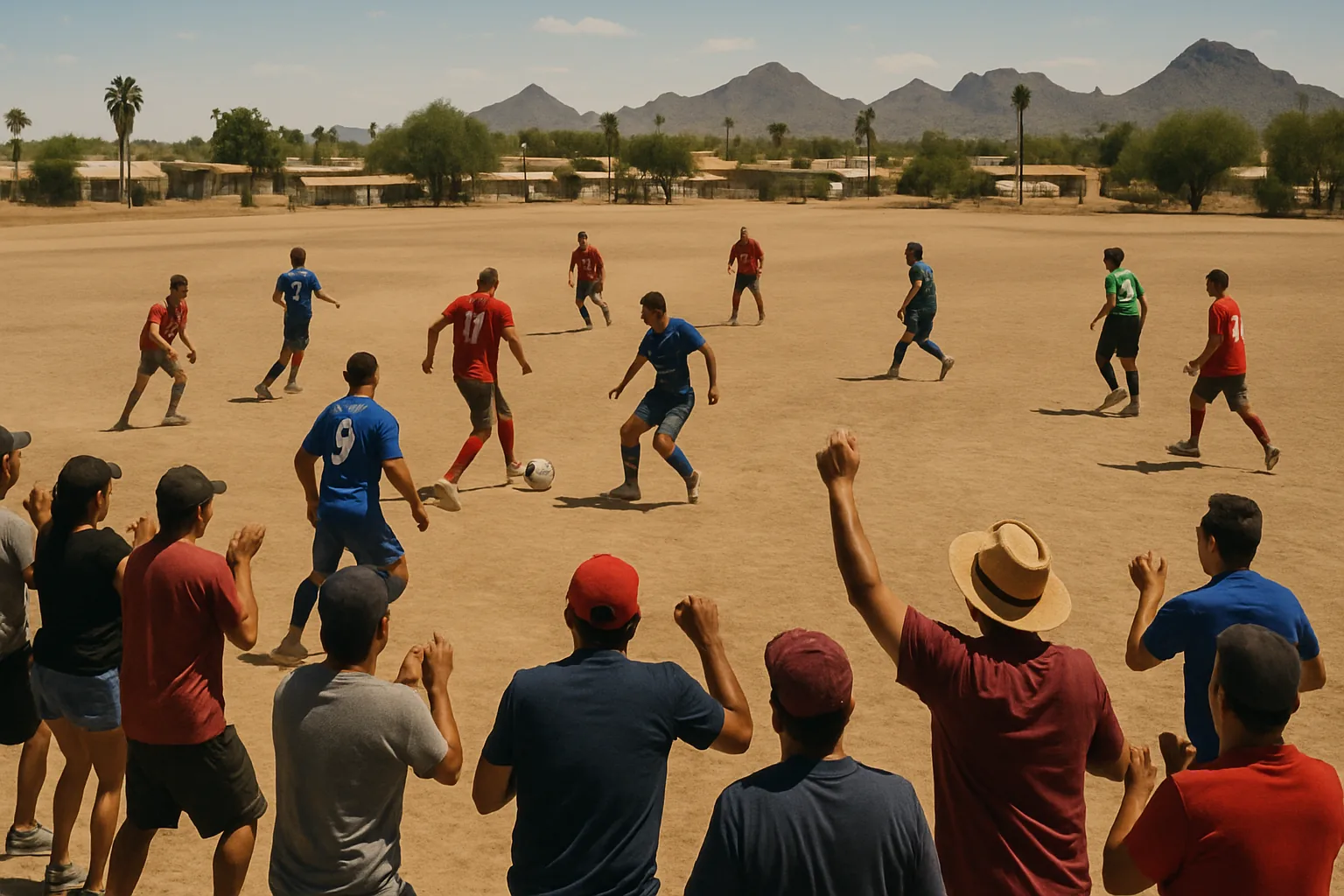
Soccer is the most popular sport on the planet, and in Latino communities across the U.S., weekend leagues function as something far more complex than recreation. A Sunday morning liga in a public park in Phoenix or Chicago or Charlotte is simultaneously a fitness routine, a social network, a cultural anchor, and, for many men, the closest thing they’ll get to a support group.
This isn’t sentimentality. It’s structural. The liga provides predictable weekly contact with a stable group of peers. It creates a context for conversation that doesn’t require anyone to say “I need to talk.” The talk happens in the car on the way to the field. It happens while lacing up cleats. It happens during the post-game meal. The soccer itself is almost a pretext for everything that surrounds it.
The Hermanos Wellness Club in Los Angeles has made this explicit. Founded as a running and walking group for Latino men, Hermanos frames physical movement as a gateway to mental health work, with community and culture named as central to its mission. The group doesn’t ask men to sit in a circle and share their feelings. It asks them to show up, move, and be around other men who are navigating similar pressures. The feelings surface on their own, usually somewhere around mile two.
This approach works because it respects the cultural grammar of how many Latino men process difficulty. You don’t announce your struggles. You show up. You’re present. And over time, in the right company, the weight you’re carrying becomes visible without anyone having to point at it.
The Neuroscience of Moving Together
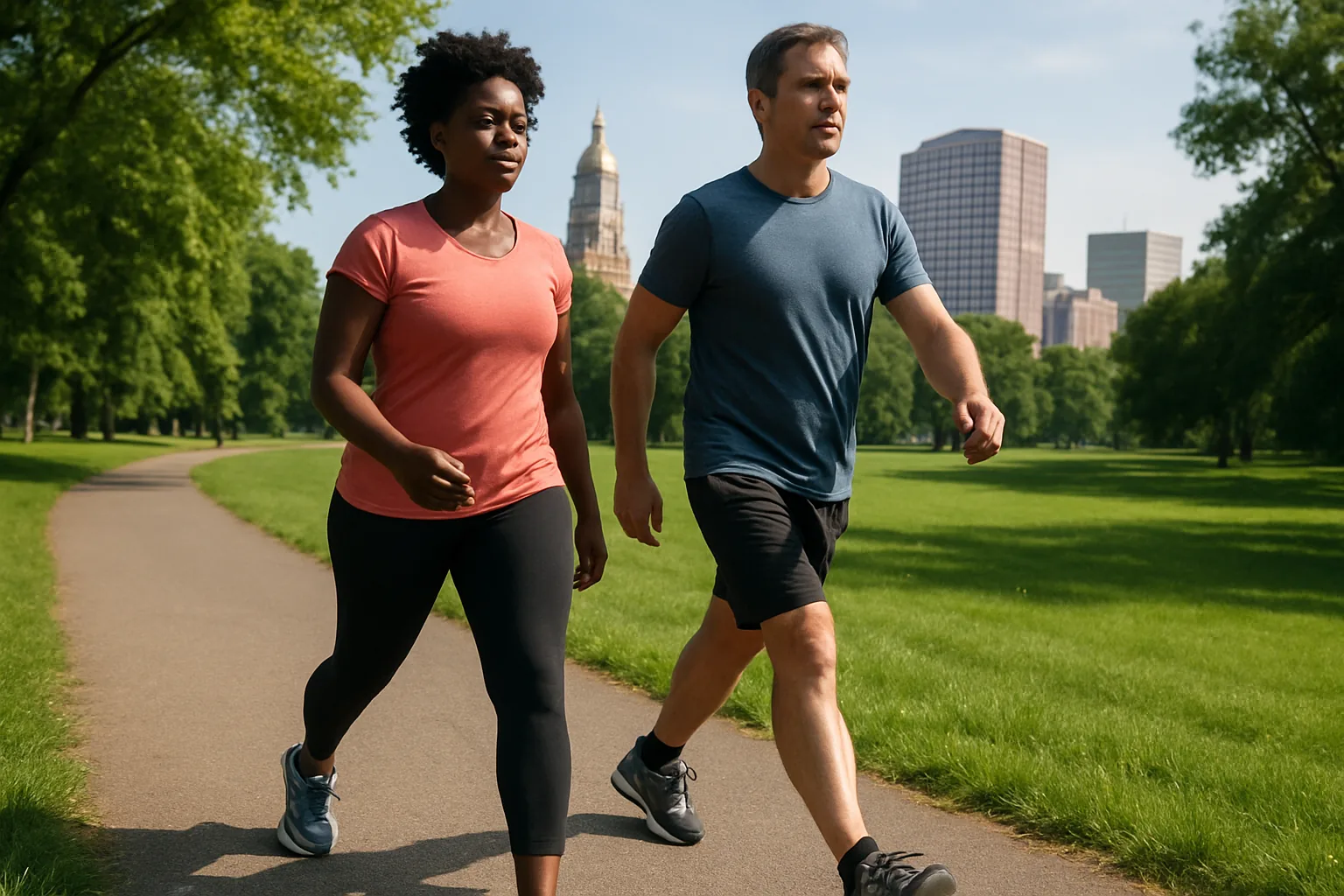
There’s a specific neurological reason why walking or playing alongside others produces different effects than exercising alone. Rhythmic, synchronized movement, the kind that happens naturally when two people walk side by side and their steps fall into sync, triggers the release of endorphins and endocannabinoids at rates that exceed what solo movement produces. A 2013 study published in *Biology Letters* found that rowers who trained in synchrony had significantly higher pain thresholds afterward than those who rowed alone, a proxy measurement for elevated endorphin levels.
Walking in a group produces a milder version of this effect. Your steps synchronize. Your breathing patterns align. Your nervous systems begin to co-regulate. This is not metaphor. Co-regulation is a documented physiological phenomenon in which proximity to a calm, rhythmically moving body helps downregulate another person’s stress response. The vagus nerve, which governs parasympathetic tone, responds to social cues including pace of movement, vocal tone, and facial expression. A group walk provides all three.
Add to this the environmental component. Most walking groups and post-dinner paseos happen outdoors. Exposure to natural light, particularly in the late afternoon, helps regulate circadian cortisol patterns. A 2019 study in *Frontiers in Psychology* found that spending just 20 minutes in a nature setting was sufficient to significantly reduce salivary cortisol levels. When you combine outdoor light exposure, rhythmic bilateral movement, social co-regulation, and conversational processing of daily stressors, you’re looking at a multi-mechanism intervention that touches the hypothalamic-pituitary-adrenal axis, the vagal brake, and the prefrontal cortex simultaneously.
No single pharmaceutical does all of that. A walk around the block with your cousin does.
The Paseo Tradition and Its Modern Reactivation
The evening walk after dinner is not a new invention. In much of Latin America, the paseo is a deeply embedded social practice. Families walk through town plazas. Neighbors stop to talk. Children run ahead. The walk isn’t exercise. It’s a nightly ritual of presence.
What’s happening now in U.S. Latino communities isn’t the creation of a new behavior. It’s the reactivation of an old one under new pressure. Immigration, longer work hours, suburban sprawl, and screen culture have eroded the conditions that made the paseo automatic. You can’t walk to the plaza if there’s no plaza. You can’t stroll through the neighborhood if the neighborhood doesn’t have sidewalks, or if you’re working a second shift.
Community organizations are responding by creating the structure that circumstances have removed. In Milwaukee’s South Side, a walking group explicitly frames its mission around promoting health and wellness in the Latino community. They don’t call it therapy. They don’t need to. They call it a walk. The therapeutic architecture is built into the format.
This matters because access to formal mental health care remains a significant barrier for many Latinos. According to the National Alliance on Mental Illness, only about 36% of Hispanic/Latino adults with mental illness receive treatment in a given year, compared with roughly 52% of non-Hispanic white adults. Language barriers, cost, insurance gaps, cultural stigma, and a shortage of Spanish-speaking providers all contribute to that gap. Walking groups don’t replace therapy. But they fill a space that therapy currently cannot reach, and they do it in a way that doesn’t require anyone to self-identify as mentally ill.
What the Latina Immigrant Study Revealed About Mechanisms
One of the more revealing recent studies looked at a mental health intervention for Latina immigrant women and found that improvements in depression and anxiety were mediated by two specific factors: mindfulness and social support. Not exercise volume. Not step counts. Mindfulness and social support.
The researchers measured changes in social isolation, perceived support from networks, and the ability to stay present rather than ruminating. The women who improved most weren’t the ones who moved the most. They were the ones who became less isolated and more connected. The movement was the vehicle. The connection was the fuel.
This finding reframes the entire conversation about exercise and mental health. The fitness industry sells movement as a solo act of discipline. Get up earlier. Push harder. Track your metrics. But for populations experiencing isolation, cultural displacement, or chronic stress, the solo model misses the most important variable. You don’t need a faster mile. You need someone to walk it with.
The study also highlighted that culturally familiar forms of support mattered more than generic social interaction. Being around people who share your language, your food references, your humor, your understanding of family obligation — that specificity is part of the mechanism. A walking group at a community center where everyone speaks Spanish and someone brings café afterward is not interchangeable with a walking group at a gym where you’re the only Latina in the room. Context is pharmacology.
Why “Just Exercise More” Misses the Point Entirely
The most common clinical advice for mild to moderate depression and anxiety is some version of “increase physical activity.” It’s evidence-based. It’s also incomplete, and for many Latinos, it’s culturally tone-deaf. Telling someone to go to the gym assumes they have a gym membership, transportation, childcare, free time, and comfort in that environment. Telling someone to go for a walk alone assumes they have a safe neighborhood, the energy to motivate themselves, and that solitary exercise addresses their actual problem.
For many people in Latino communities, the actual problem isn’t inactivity. It’s disconnection. It’s the erosion of the communal rhythms that used to structure daily life. It’s working two jobs and never seeing your neighbors. It’s living in a country where you have family but no community. It’s being told to take care of yourself in a culture that has always taken care of each other.
The walking group, the liga, the post-dinner paseo: these aren’t substitutes for clinical care. They’re complementary interventions that operate through mechanisms formal treatment often neglects. They reduce loneliness. They rebuild routine. They create accountability without surveillance. They let people talk without being patients.
One Practical Recommendation From La Doctora
If you take one thing from the research, let it be this: the mental health benefit of movement scales with its social dimension. Walking alone is good. Walking with someone is significantly better. Walking with a group of people who share your cultural context, your language, and your neighborhood is the version the evidence most strongly supports.
You don’t need to join anything official. You need three or four people and a consistent time. After dinner works. Saturday mornings work. The route doesn’t matter. The regularity does. The company does.
If you’re someone who organizes in your community, whether at a church, a school, a community center, or just in your family group chat, consider that starting a weekly walk might be one of the most effective mental health interventions you can offer. It costs nothing. It requires no certification. It excludes no one.
And if you’re a clinician working with Latino patients, consider prescribing the paseo. Not as a euphemism. As a specific, structured recommendation: walk with someone you trust, three times a week, for 30 minutes. The HOLA trial used a similar protocol and produced results that rival pharmacological interventions for anxiety.
The sidewalk has always been there. The people have always been there. The only thing that’s changed is that now there’s a body of evidence confirming what abuelitas knew all along: you feel better when you walk together. Not because of the steps. Because of the company.