Your Vagus Nerve Doesn’t Care What You Call It
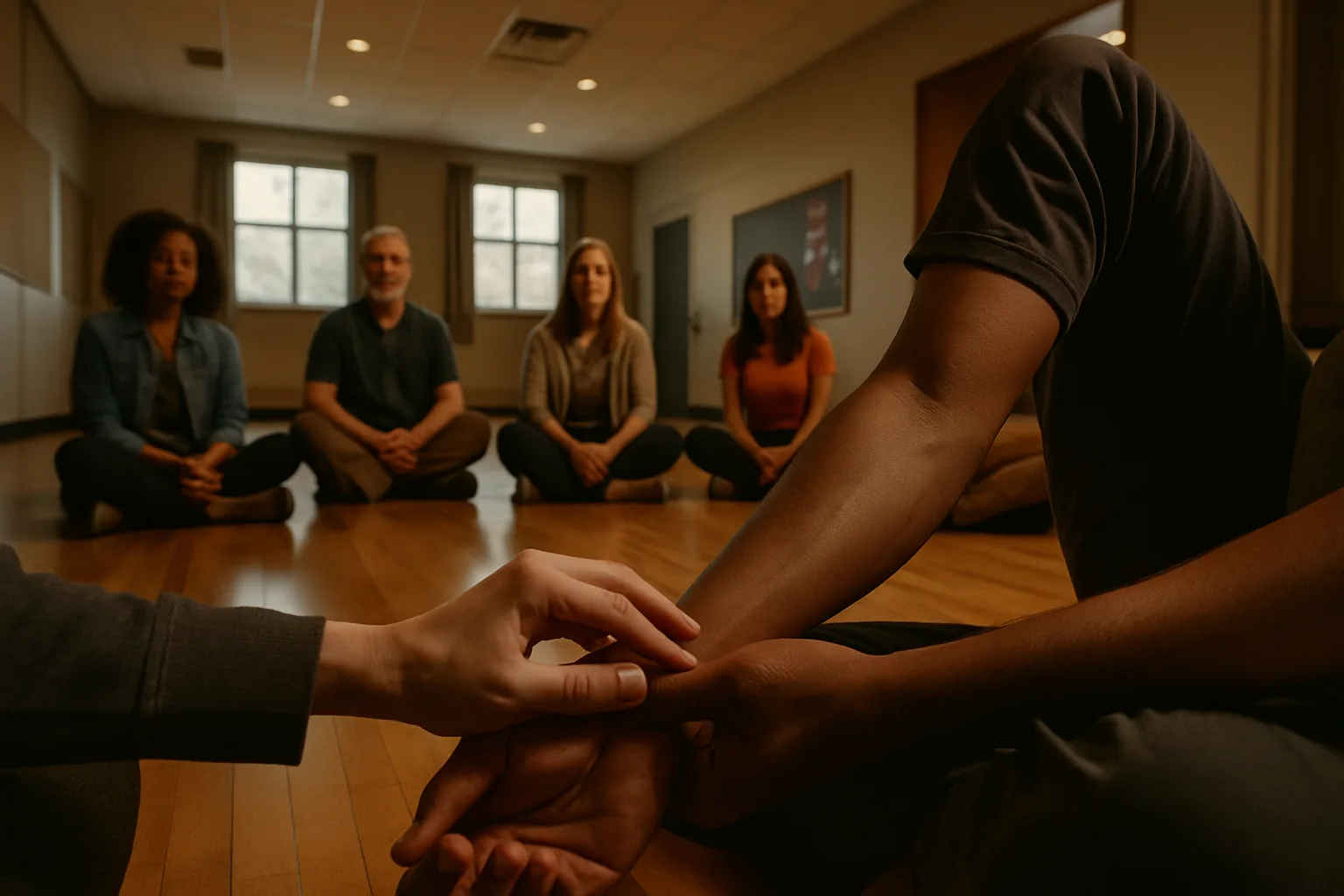
The first time I felt my own pulse slow under my hand, I was sitting on the floor of a community center in East LA, smelling Pine-Sol and someone’s leftover pozole from the kitchen next door. The instructor didn’t call it meditation or yoga or anything spiritual. She called it “two minutes of nothing.”
That phrase stuck with me because it did something clever: it stripped away every loaded word and left only the sensation. And sensation, it turns out, is exactly where the science of nervous-system workouts begins.
What a Nervous-System Workout Actually Means
The term gets thrown around loosely online, but in exercise physiology, a nervous-system workout refers to any structured practice designed to shift autonomic nervous system tone. Your autonomic nervous system has two main branches. The sympathetic branch accelerates your heart rate, dilates your pupils, dumps glucose into your blood. It’s the gas pedal. The parasympathetic branch, primarily driven by the vagus nerve, slows things down. It’s the brake.
Most people living with chronic stress, irregular shift schedules, or unresolved trauma are running with the gas pedal stuck. Their baseline sympathetic tone stays elevated. Resting heart rate creeps up. Heart rate variability, a measure of how flexibly the heart responds to changing demands, drops. Sleep fragments. Digestion suffers. The body forgets how to idle.
Nervous-system workouts aim to retrain that idle. They use specific tools: controlled breathing patterns that extend the exhale, slow eccentric movements that load muscles without spiking heart rate, positional changes that stimulate the baroreceptors in the neck and chest. The goal isn’t to burn calories or build muscle. It’s to practice shifting between activation and recovery until the nervous system gets better at doing it on its own.
And this is where things get interesting for Latino communities, because the debate isn’t really about whether the science works. It’s about what you call it.
Why Breath-Led Fitness Resonates When Yoga Doesn’t
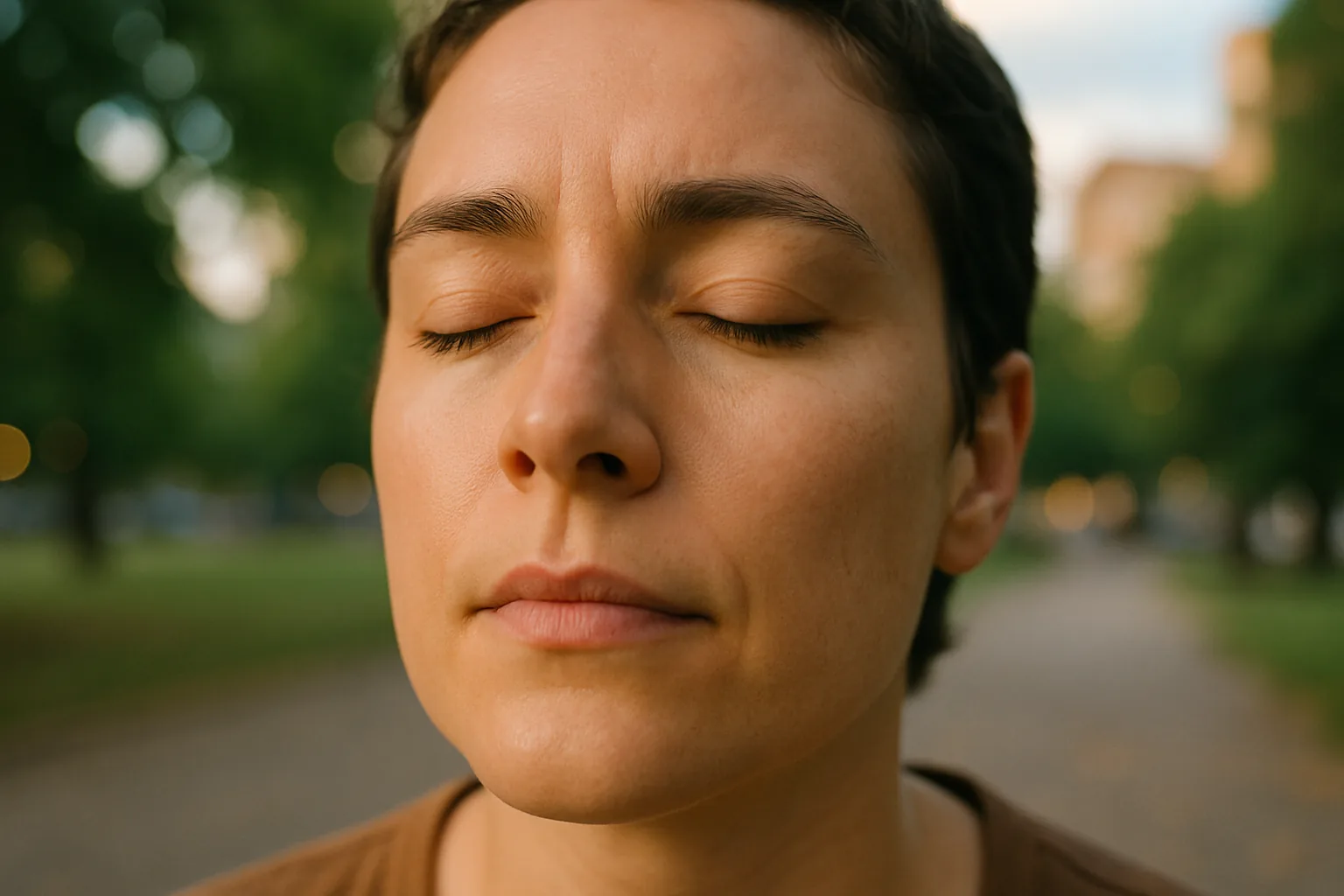
In a qualitative study published in the *Journal of Immigrant and Minority Health*, researchers interviewed Hispanic adults about their exercise preferences and found that how a practice was framed mattered more than the exercise itself. Participants wanted activities that felt practical, social, and sustainable within their existing routines. They weren’t opposed to new modalities. They were opposed to feeling out of place.
That distinction helps explain a pattern playing out in both Spanish-language and English-dominant Latino spaces. On YouTube and TikTok, Spanish-language creators have built sizable audiences around terms like “activar el nervio vago” and “relajar el sistema nervioso.” These videos often feature the exact same diaphragmatic breathing protocols, gentle spinal movements, and progressive relaxation techniques found in any restorative yoga class. But they never say yoga. They say “ejercicios de respiración” or “técnicas para la ansiedad.” The framing is medical, functional, and stripped of any spiritual connotation.
In English-dominant Latino communities, the equivalent language is “nervous system reset,” “cortisol reduction,” or “recovery work.” Same techniques. Different packaging. And the packaging matters enormously, because a cultural humility resource developed for Latinx communities found that mindfulness and yoga can be perceived as religious or spiritually foreign practices. For families rooted in Catholicism or evangelicalism, that perception creates a barrier that has nothing to do with the exercise and everything to do with the label.
This isn’t unique to Latinos, of course. But the intensity of the barrier can be. When your abuela associates sitting cross-legged and breathing with something she saw on a documentary about Eastern religions, telling her it’s yoga won’t help. Telling her it’s a breathing exercise that lowers blood pressure might.
The Vagus Nerve: Why Breathing Patterns Change Your Biology
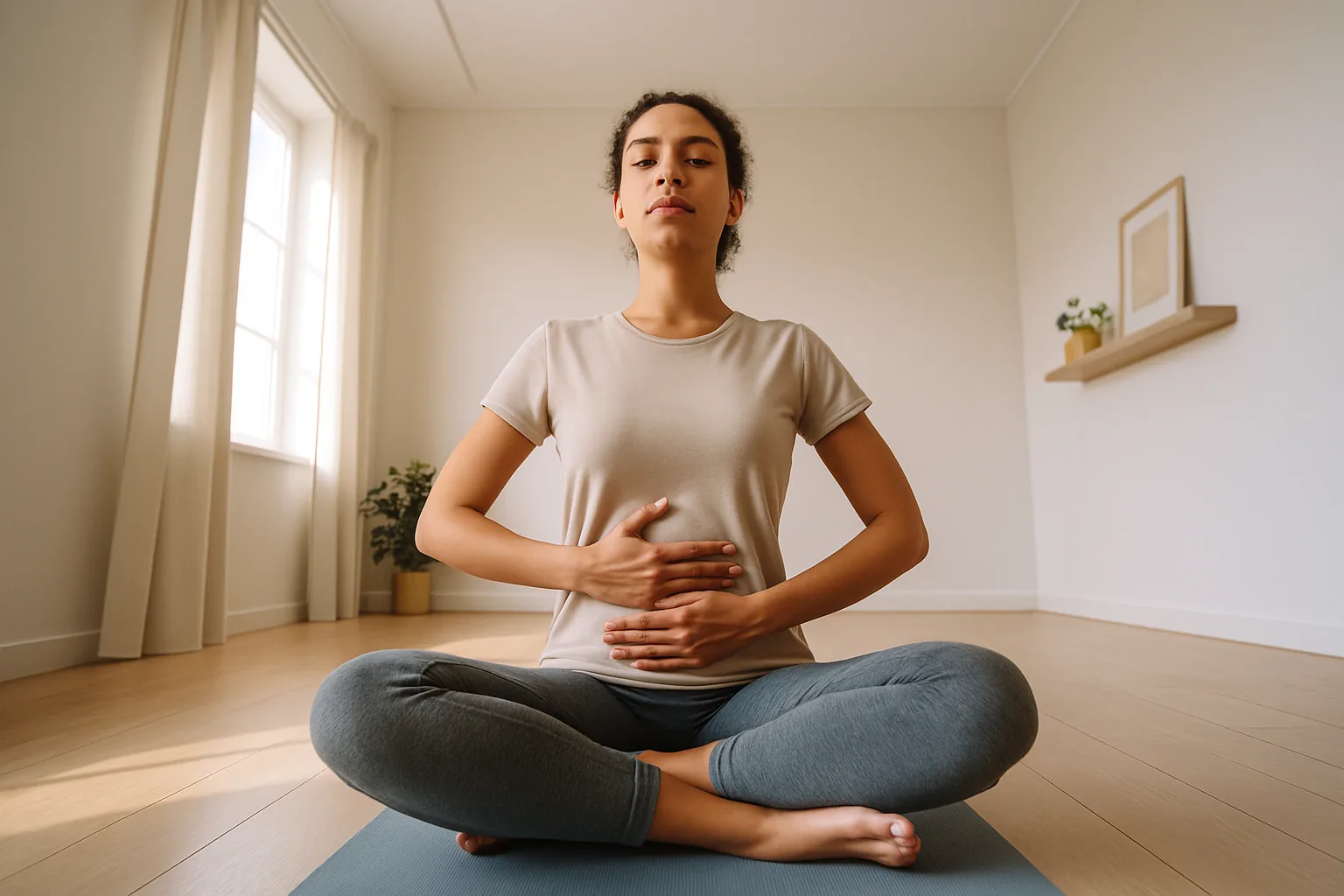
Let’s get specific about the mechanism, because “activating the vagus nerve” has become a catchphrase that needs grounding.
The vagus nerve is the longest cranial nerve in the body, running from the brainstem down through the neck, chest, and abdomen. It innervates the heart, lungs, and gut. When you extend your exhale longer than your inhale, you increase intrathoracic pressure in a way that stimulates vagal afferent fibers. Those fibers signal the brainstem’s nucleus tractus solitarius, which triggers a parasympathetic response: heart rate drops, blood pressure dips slightly, and the hypothalamic-pituitary-adrenal axis gets a signal to ease off cortisol production.
This isn’t speculative. A 2017 study in *Frontiers in Human Neuroscience* showed that participants who practiced slow breathing at approximately six breaths per minute for five minutes showed measurable increases in heart rate variability and decreases in salivary cortisol compared to controls. The effective ratio was roughly a 4-second inhale to a 6-second exhale. That’s it. No incense required.
The compound effect matters too. A single session can shift state. Repeated sessions, practiced three to five times per week over six to eight weeks, can shift baseline autonomic tone. That means the body’s resting set point gradually moves toward better parasympathetic engagement. Sleep latency decreases. Resting heart rate comes down. Subjective stress scores improve.
For communities disproportionately affected by shift work, job instability, caregiving stress, and systemic health disparities, this is not a luxury practice. It’s a cardiovascular and neurological intervention that happens to require zero equipment and zero English.
The Debate: Mismatch or Missing Piece?
Not everyone is buying in, and the skepticism deserves more than a dismissive wave.
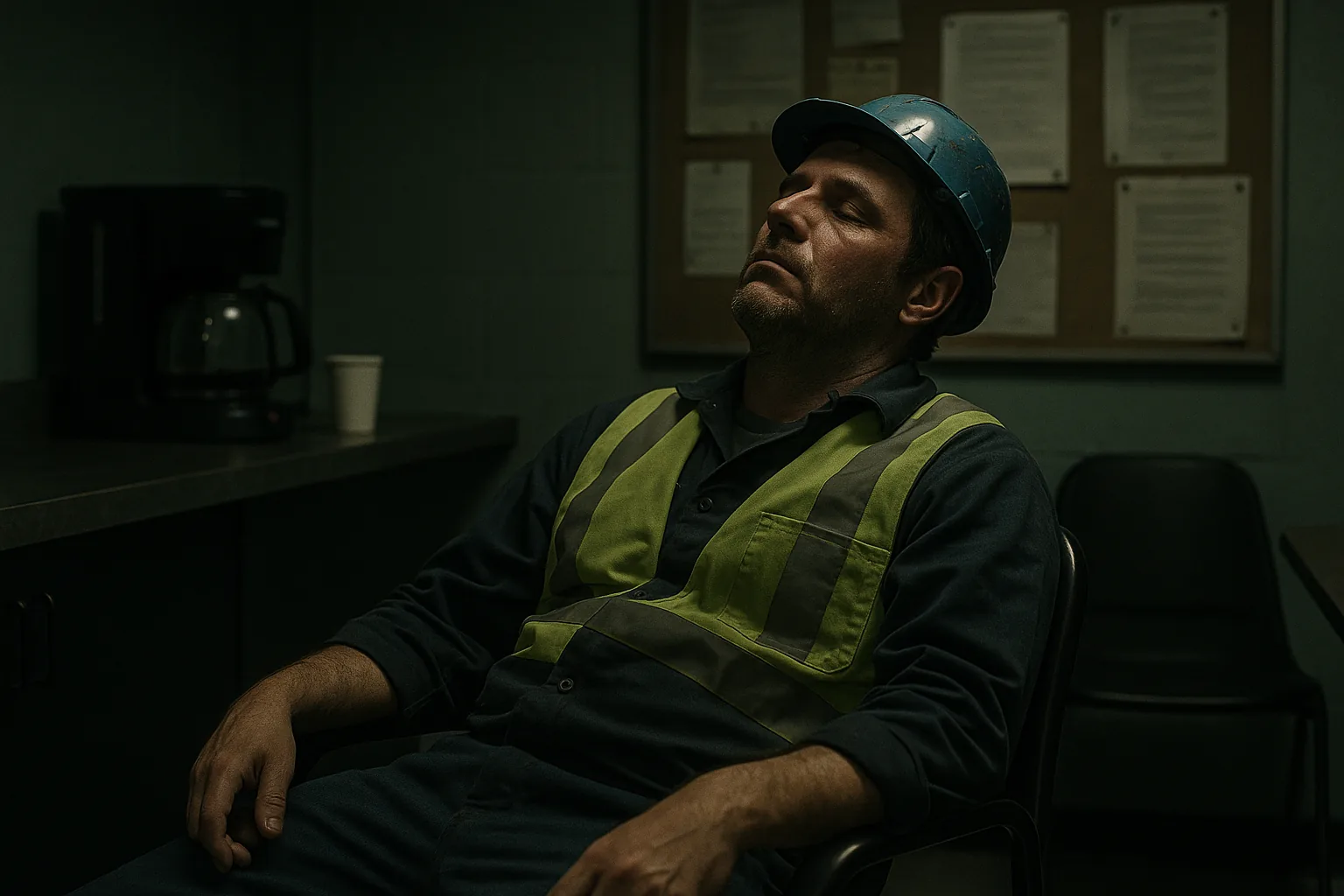
Start with practical experience. If you’ve worked a 10-hour shift on your feet, the idea of lying on the floor doing slow breathing can feel absurd. Your body doesn’t need to calm down. It needs to sit down. There’s a real class dimension to recovery practices. They assume you have time, space, and the kind of fatigue that responds to parasympathetic activation rather than, say, a nap and some food.
Then there’s the gendered resistance. In many Latino households, men are still expected to work out hard. Running, lifting, soccer, boxing. These are legible forms of fitness. Slow breathing, gentle movement, and recovery routines can read as soft, passive, or feminized. That’s not a universal truth, but it’s a pattern reported consistently in community health outreach.
The pushback can also be theological. The cultural humility framework mentioned earlier notes that practices with roots in Hinduism or Buddhism can be perceived as incompatible with Christian faith. A community health worker in Houston told me that when she introduced breathing exercises in a church-based wellness program, three participants asked whether they were “doing something from another religion.” She started calling the session “calming the body before prayer.” Enrollment doubled.
That anecdote matters because it reveals the core tension. The biology doesn’t care what you call it. A six-second exhale stimulates the vagus nerve whether you frame it as pranayama, a military performance drill, or pre-prayer breathing. But people care deeply about what they call it, and respecting that isn’t dumbing anything down. It’s meeting real community intelligence with real scientific information.
What Adapted Programs Actually Look Like
A randomized controlled trial of a community-adapted physical activity intervention for Latinas, published in *BMC Public Health*, found that when exercise programs were redesigned with input from the target community — including language, scheduling around family obligations, and social components like group participation — adherence improved significantly compared to generic programs.
The adaptation wasn’t cosmetic. It changed the delivery structure. Sessions were held in community spaces rather than gyms. Childcare was provided. Instructions were offered in Spanish. The exercises themselves were modified to accommodate participants who had never been in a formal fitness class.
This model is now being replicated in nervous-system-focused programming. In several cities, organizations are offering “recovery and movement” classes in community centers and churches rather than yoga studios. The classes include diaphragmatic breathing, slow mobility sequences, and guided body scans, but the language avoids any reference to chakras, energy, or spiritual intention. The emphasis is on concrete outcomes: sleeping better, feeling less anxious, reducing neck and shoulder tension from physical labor.
Penn Medicine’s outreach to Latino communities has taken a related but distinct approach, framing physical activity as a tool for brain health and cognitive aging. Their messaging connects exercise not to weight loss or appearance, which can carry stigma and shame, but to long-term neurological function. This framing aligns with a value many Latino families hold deeply: being able to care for your family as you age. You’re not exercising to look good. You’re exercising so you can remember your grandchildren’s names.
The National Academy of Medicine has highlighted that Latino communities face specific access barriers to physical activity, including neighborhood safety, cost, and time constraints. Nervous-system workouts, with their minimal equipment requirements and short session lengths, address several of those barriers simultaneously. A five-minute breathing protocol doesn’t require a gym membership, a babysitter, or a safe running route.
The Cortisol Connection: Stress Isn’t Just a Feeling
One reason this conversation resonates so strongly in Latino communities is that the stress isn’t abstract. The data is blunt.
Latino adults in the United States report higher rates of perceived stress related to discrimination, financial instability, immigration-related anxiety, and language barriers. Chronic psychosocial stress drives sustained cortisol elevation, which affects glucose metabolism, immune function, sleep architecture, and cardiovascular risk. A 2019 analysis in *Psychoneuroendocrinology* found that Latino adults with high perceived discrimination showed flattened diurnal cortisol slopes, a biomarker pattern associated with increased inflammation and metabolic syndrome.
Nervous-system workouts don’t erase those stressors. Nobody is claiming that breathing exercises fix systemic inequity. But the physiological mechanism is real and documented: parasympathetic activation through slow breathing and controlled movement can reduce acute cortisol output, improve heart rate variability, and restore more normal diurnal cortisol patterning over time. Think of it as resetting the thermostat, not fixing the broken furnace.
This framing matters because it avoids the toxic positivity trap that so many mainstream wellness messages fall into. You’re not telling someone to breathe their problems away. You’re telling them that their body has been running in emergency mode for so long that it’s forgotten how to rest, and that there are specific, physiologically proven techniques to retrain that response. The stress stays real. The body’s reaction to it becomes more manageable.
How to Actually Do This: A Practical Protocol
If you want to try nervous-system-focused recovery work, here’s a framework grounded in the research.
Start with breathing. The most studied protocol is coherent breathing: inhale for approximately four to five seconds, exhale for approximately six seconds, aiming for about six complete breath cycles per minute. Do this for five minutes. You can do it sitting, lying down, or standing. The only requirement is that you breathe through your nose if possible, because nasal breathing increases nitric oxide production in the paranasal sinuses, which supports vasodilation and improves oxygen delivery.
Add slow movement twice a week. This doesn’t need to look like yoga. Slow, controlled movement through a full range of motion at a tempo that keeps your heart rate below 120 beats per minute will promote parasympathetic engagement. Think: slow squats, gentle spinal rotations, hip circles, controlled shoulder rolls. Three sets of eight reps at a three-second-up, three-second-down tempo. The eccentric phase, the lowering portion, is particularly effective at stimulating the vagus nerve through baroreceptor engagement.
Practice positional recovery after intense exercise. Lying flat on your back with your legs elevated against a wall for three to five minutes post-workout is one of the simplest vagal tone stimulators available. The position increases venous return to the heart, stretches the diaphragm, and gives the baroreceptors in the aortic arch a gentle stimulus. Pair it with extended-exhale breathing and you’ve stacked two parasympathetic triggers.
Track your resting heart rate. The simplest biomarker for nervous-system regulation is your morning resting heart rate, taken before you get out of bed. If it’s consistently dropping by two to four beats per minute over six to eight weeks of practice, your autonomic baseline is shifting. Many smartphones can measure this without additional equipment.
One Recommendation Worth Trying
If you take only one thing from this piece, try the five-minute exhale-focused breathing protocol before bed for two weeks. Set a timer. Inhale through the nose for four seconds. Exhale through the nose for six seconds. Repeat for five minutes. Don’t add anything else. Don’t light a candle. Don’t put on ambient music unless it genuinely helps you. Just breathe in a pattern that your vagus nerve recognizes as a signal to downshift.
If it helps you fall asleep faster, stay asleep longer, or wake up feeling slightly less wired, you’ve got your answer. The label you put on it is up to you. Call it breathing practice. Call it calming the body. Call it “two minutes of nothing,” stretched to five. What matters is the exhale, the nerve, and the response your body has been waiting to give.
The science doesn’t need a heritage translation. But the invitation does. And right now, across community centers, church basements, Instagram lives, and kitchen tables, that invitation is being written in the language people actually speak. Not the language of wellness trends. The language of “I can’t sleep, my shoulders are in my ears, and I’m tired of feeling tired.”
That’s not a trend. That’s a need. And the vagus nerve doesn’t care what accent you say it in.