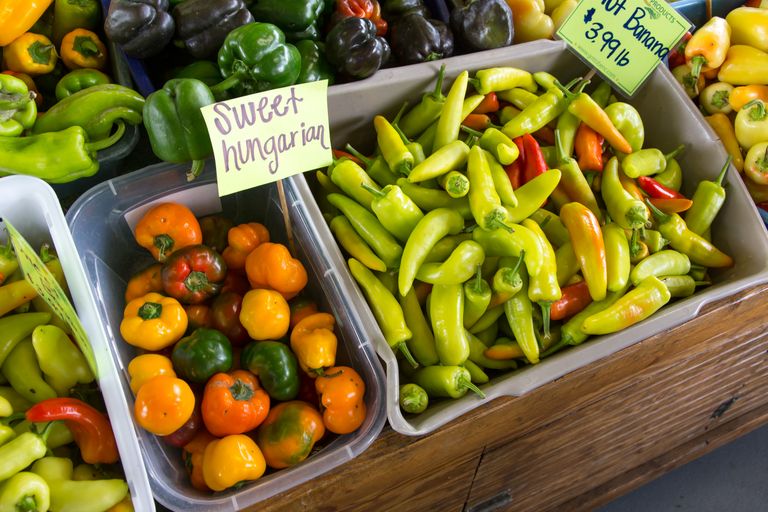
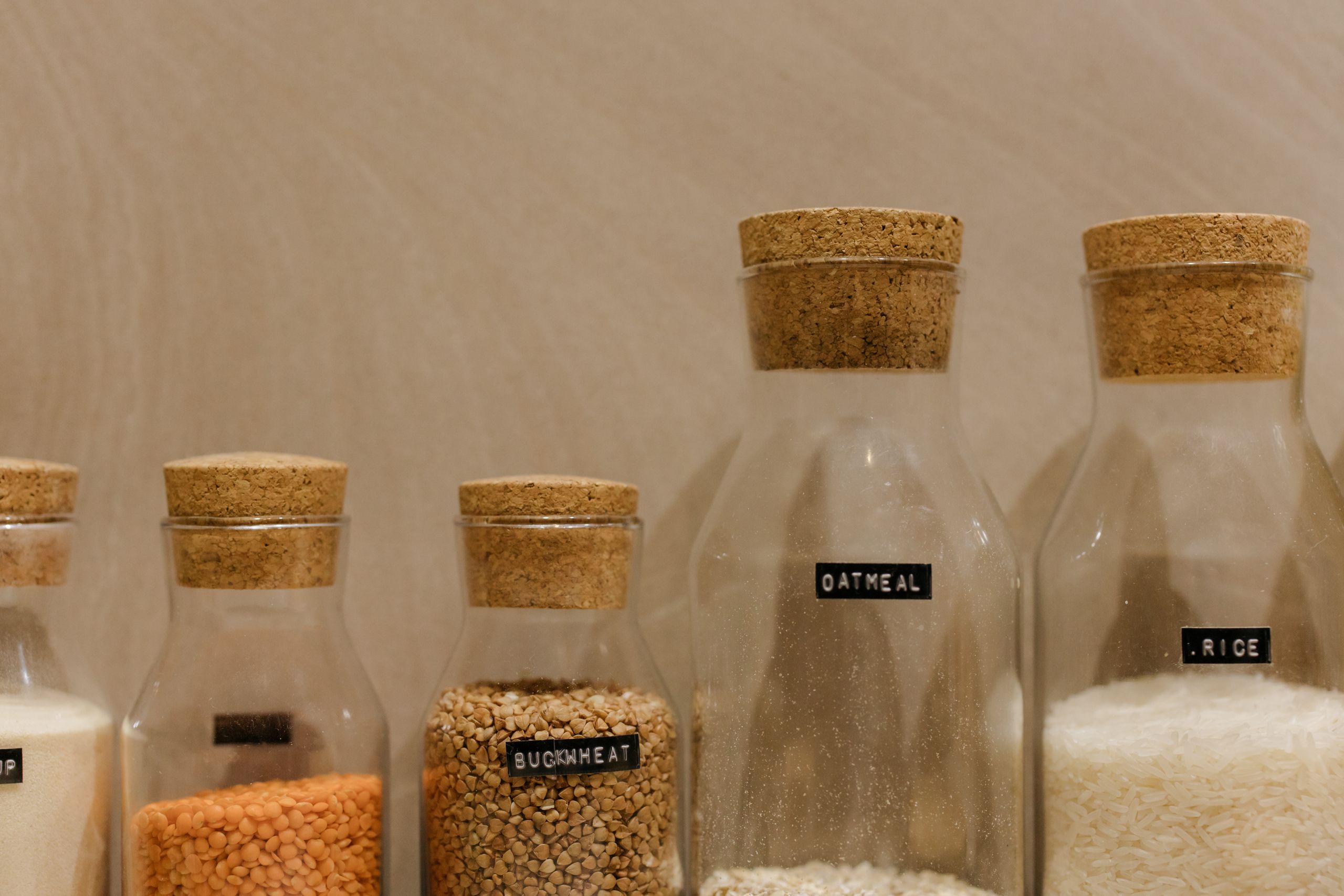
Your Pantry Is Not a First-Aid Kit
A jar of honey. Not the squeezable bear from the supermarket, but the dense, dark one pushed to the back of the cabinet, bought from a guy at the swap meet who also sold cajeta and dried hibiscus. That’s the first thing I think of when someone says “abuela’s medicine.” Not a pharmacy. Not a doctor’s office. A pantry shelf.
There’s a quiet resurgence happening in English-dominant Latino households across the U.S. Families are reaching back into the kitchen cabinet for wound care, applying honey to scrapes, splitting aloe leaves for burns, mixing turmeric into pastes, and rubbing garlic on things garlic should probably never touch. They’re calling it what wellness content loves to call it now: antimicrobial, anti-inflammatory, evidence-based. The language is clinical. The practice is inherited. And the gap between those two things is exactly where people get hurt.
This isn’t about dismissing what your grandmother knew. It’s about understanding what she was actually doing, why it sometimes worked, and why the pantry-to-wound-care pipeline has limits that no amount of curated Instagram content will tell you about.
The Botiquín Revival and Why It’s Happening Now
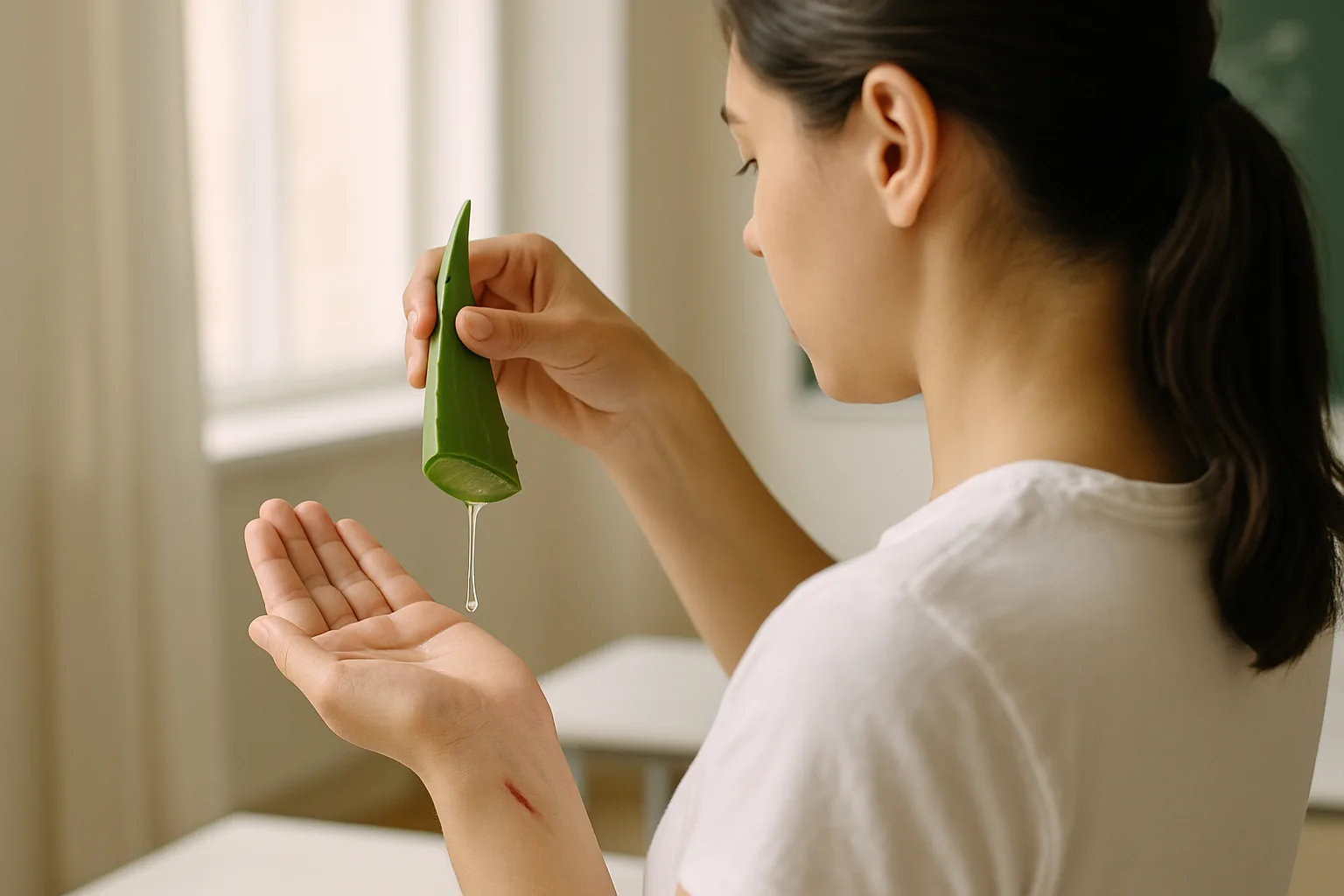
The idea of the home botiquín, a family medicine cabinet stocked with remedies rather than prescriptions, isn’t new. In many Latino households, it never went away. What’s changed is the framing. A generation ago, your tía might’ve slapped sábila on a burn and said “ya, con eso.” Today, her daughter posts a reel explaining that Aloe barbadensis Miller contains acemannan, a polysaccharide with wound-modulating properties. Same plant. Different vocabulary. Different audience.
This shift matters because it changes how people evaluate risk. When abuela applied honey to a cut, she was working from pattern recognition built over decades. She knew which cuts were small enough to treat at home. She’d seen infections before. She had judgment. When that same remedy gets abstracted into a “five kitchen ingredients that replace your first-aid kit” listicle, the judgment gets stripped out. What remains is a recipe without context.
The reasons families reach for these remedies first are real and worth naming. Cost is one. A tube of medical-grade wound gel can run $15 to $30. The jar is already in the house. Access is another. In communities where the nearest urgent care requires a bus transfer, or where insurance status makes a clinic visit feel like a gamble, the pantry isn’t a lifestyle choice. It’s a practical calculation. And then there’s trust. For families who’ve had dismissive experiences in clinical settings, or who navigate language barriers every time they walk into a waiting room, the kitchen feels safer. That’s not irrational. It’s structural.
But structural explanations don’t change biochemistry. And biochemistry is where this story gets complicated.
Honey for Wounds: Medical-Grade Is Doing the Heavy Lifting
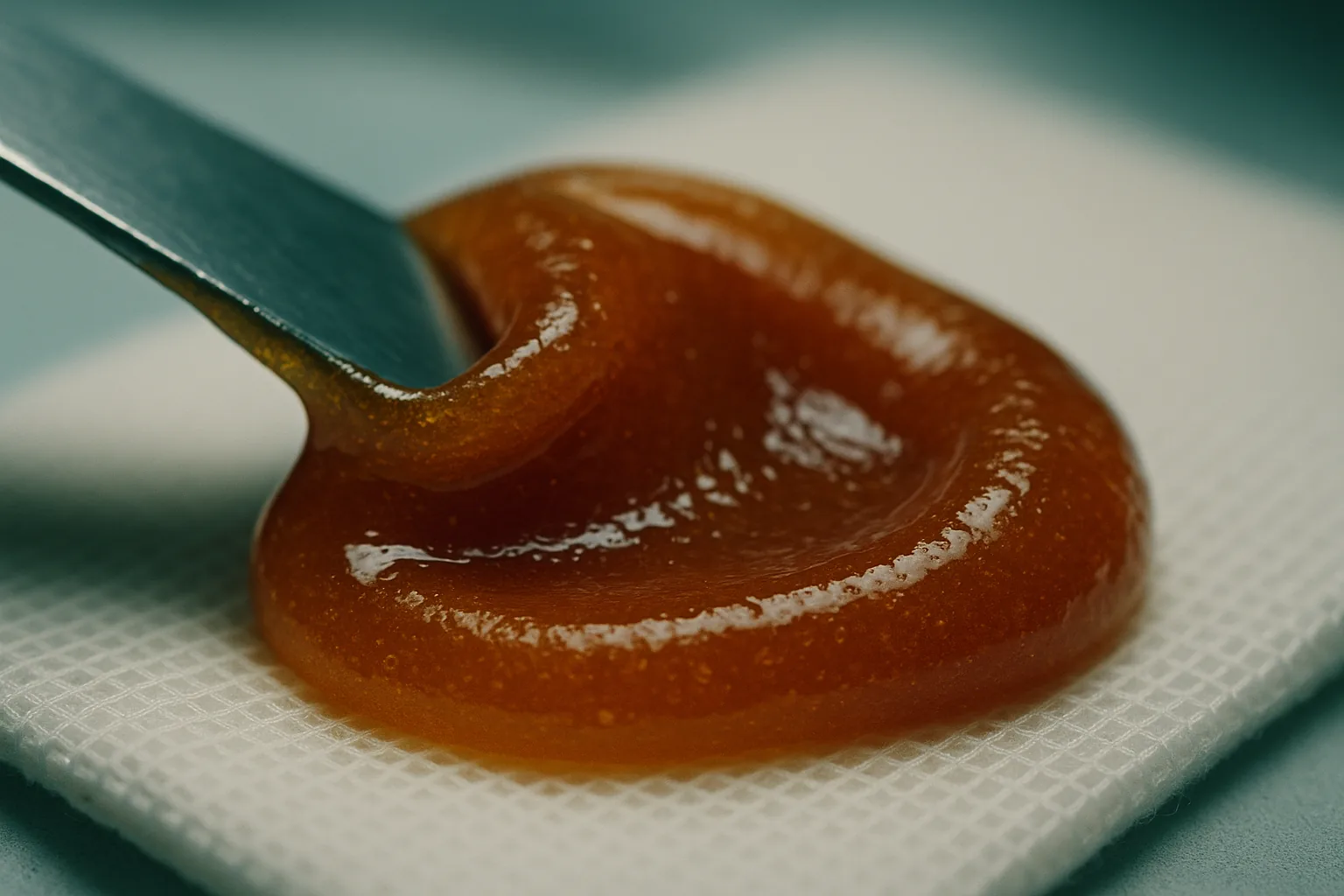
Honey has the strongest evidence of any pantry ingredient for topical wound care. That’s true. It’s also misleading if you stop there.
The product that shows up in clinical wound-care literature is almost always Manuka honey, specifically medical-grade preparations like Medihoney or Leptospermum-based products that have been gamma-irradiated to eliminate bacterial spores. These products contain methylglyoxal (MGO) at concentrations typically above 100 mg/kg, which gives them a measurable antimicrobial effect. A 2015 Cochrane review looked at 26 trials involving 3,011 participants and found that honey probably speeds the resolution of partial-thickness burns compared to conventional dressings. A separate review in the Journal of Clinical Nursing found that medical-grade honey cut about four and a half days off wound recovery time compared to standard treatment in acute wounds.
That sounds impressive. And it is, for a sugar-based substance applied to skin. But here’s the part that gets lost in the wellness translation: the product in those studies wasn’t the jar in your cabinet.
Raw, unprocessed kitchen honey can contain Clostridium botulinum spores. In an intact digestive system, that’s usually fine. On an open wound, especially one that’s deep, dirty, or poorly cleaned, you’re introducing potential pathogens into tissue that has no barrier defense. The osmotic effect — the ability to draw moisture from bacteria and create an inhospitable environment — does work in principle. The low pH (around 3.2 to 4.5) and enzymatic production of small amounts of hydrogen peroxide via glucose oxidase both contribute to antimicrobial activity. But these mechanisms are concentration-dependent and vary wildly between products. That artisanal wildflower jar from the farmer’s market might have an MGO concentration of 5 mg/kg. Or 50. You don’t know.
The practical line is this: thin application of clean honey on a small, superficial scrape that’s already been washed with mild soap and water, covered with a clean bandage, and monitored for signs of infection? The evidence says you’re probably fine. That’s roughly what abuela was doing. Applying random kitchen honey to a puncture wound, a deep laceration, a burn with broken blisters, or anything that’s already showing redness, warmth, swelling, or pus? That’s where you’ve crossed from reasonable folk practice into risk.
Aloe Vera for Burns: The Science Is Real but Narrow
Sábila is the ingredient that crosses every generation in Latino households. Almost everyone has a story about someone breaking off an aloe leaf after a kitchen burn. And unlike some folk remedies, this one has a respectable evidence base, within limits.
The active compounds in Aloe barbadensis gel include acemannan (a beta-1,4-acetylated mannan), bradykinase (an enzyme that reduces inflammation by breaking down bradykinin), and several anthraquinones like aloin and emodin. A 2012 meta-analysis in the journal Burns reviewed four controlled trials and found that aloe vera reduced burn wound recovery time by approximately 8.79 days compared to conventional treatment (silver sulfadiazine cream) in first- and superficial second-degree burns. A more recent systematic review in the Annals of Dermatology confirmed modest benefits for superficial thermal injuries.
But the mechanism here is worth understanding. Aloe gel is roughly 99% water with about 75 potentially active compounds. Its primary benefit in burn care appears to be anti-inflammatory: it inhibits cyclooxygenase and thromboxane synthesis, which reduces local swelling and pain. It also forms a moisture-retentive film over the burn surface, which is consistent with modern moist wound-care theory. In other words, it works partly because it keeps the burn wet and partly because it tells the inflammatory cascade to calm down.
What it doesn’t do is sterilize anything. Aloe gel has only weak antimicrobial properties. If you apply it to a contaminated wound, you’re essentially sealing moisture and warmth over bacteria. That’s an incubator, not a treatment.
The clinical guidance is clear on sequencing: for a minor burn, cool it under running water for at least 10 minutes first. Not ice. Not butter. Not toothpaste, which somehow persists as advice in some households. Running water. Then, if the skin is intact (no open blisters, no broken surface), fresh aloe gel or a properly labeled commercial aloe product with minimal additives can go on as a soothing adjunct. Cover it. Watch it. If the burn is larger than three inches, involves the face, hands, feet, or genitals, or has deep blistering, that’s an emergency room visit, not a plant.
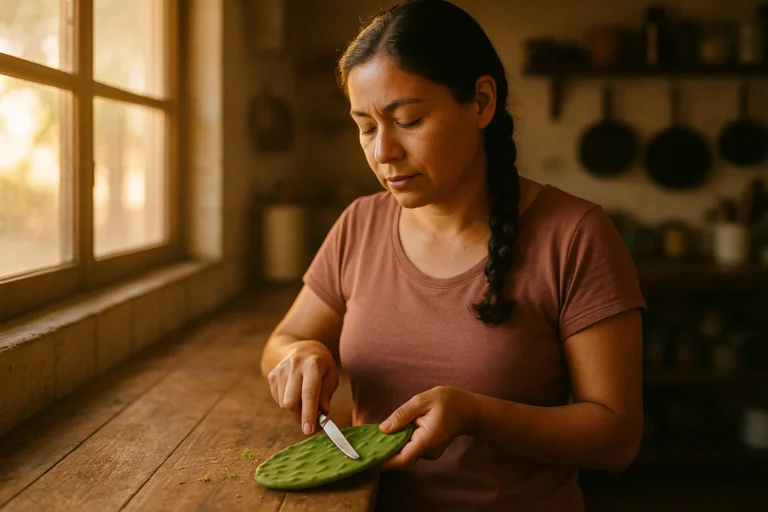
One more thing about aloe that rarely gets mentioned: the yellowish latex layer just beneath the skin of the leaf contains aloin, which is a potent laxative and skin irritant. If you’re cutting a leaf from your garden and applying it directly, you need to let the yellow sap drain completely before using the clear inner gel. Most people who grew up watching their mothers do this know it instinctively. Most people learning it from a 30-second video do not.
Turmeric on Wounds: The Gap Between Kitchen and Clinic

Turmeric is where the gap between cultural practice and clinical evidence starts to widen noticeably. Curcumin, the primary bioactive polyphenol in turmeric (comprising about 2 to 5% of the spice by weight), has shown anti-inflammatory and antioxidant activity in laboratory settings. It modulates NF-kB signaling, downregulates COX-2 and lipoxygenase expression, and scavenges reactive oxygen species. In cell cultures and animal models, curcumin-impregnated wound dressings have shown accelerated wound closure. A 2021 review in the International Journal of Molecular Sciences surveyed 23 preclinical studies and found consistent improvements in collagen deposition, fibroblast proliferation, and re-epithelialization in rodent models.
Here’s the problem. Almost none of that has translated cleanly to human topical wound care in rigorous clinical trials. The few human studies that exist have used curcumin in formulated nanoparticle gels, electrospun fiber dressings, or hydrogel matrices, not turmeric powder mixed with coconut oil in a kitchen bowl. Curcumin’s bioavailability is notoriously poor. It degrades rapidly in light and air. And when you pack raw turmeric into a wound, you’re introducing several practical problems that the in-vitro data can’t account for.
First, turmeric stains everything it touches a deep yellow-orange. This isn’t a cosmetic complaint. It’s a clinical one. When a wound is stained with turmeric, it becomes nearly impossible to assess for redness, which is one of the earliest and most important signs of infection. A healthcare provider looking at a turmeric-stained wound can’t tell if the tissue underneath is inflamed or healthy. That delay in assessment can mean a delay in treatment.
Second, raw turmeric powder is not sterile. It can contain Bacillus cereus, Aspergillus species, and other environmental contaminants. FDA testing of imported turmeric has found samples contaminated with elevated lead levels, likely from lead chromate used as a color adulterant. Packing a contaminated powder into an open wound is not traditional medicine. It’s an exposure risk.
The folk practice of applying turmeric paste (haldi) to wounds is deeply rooted in South Asian traditions and has crossed into some Latino wellness spaces through the broader “kitchen medicine” trend. But the practice that worked in a specific cultural context, applied by experienced hands who knew which wounds were appropriate and which weren’t, is different from a generalized recommendation to put turmeric on cuts. Context was the dosing mechanism. Without it, the ingredient becomes unpredictable.
Garlic on Skin: The Clearest Line You Shouldn’t Cross
Garlic is where the pantry-to-wound-care story stops being ambiguous and starts being dangerous.
Allicin, the organosulfur compound released when garlic is crushed or chopped, does have documented antimicrobial properties. A 1999 study in Microbes and Infection demonstrated that allicin inhibits the growth of Staphylococcus aureus, Escherichia coli, and Candida albicans in vitro at concentrations between 8 and 32 µg/mL. This is real chemistry. But allicin is also a potent irritant. It’s the compound that makes your eyes water when you mince garlic. Applied directly to skin, particularly broken skin, it causes contact dermatitis, chemical burns, and in some documented cases, full-thickness tissue damage.
Case reports in dermatology journals have described garlic-induced burns severe enough to require surgical debridement. A 2020 case series in the Journal of Burn Care & Research documented three patients who applied crushed garlic to skin for various folk-medicine purposes and developed second-degree chemical burns within 6 to 24 hours. One patient, a 47-year-old woman who had applied garlic to a fungal skin infection on her foot, required a skin graft.
The mechanism is straightforward. Diallyl disulfide and other thiosulfinates in garlic are cytotoxic at high concentrations. They don’t distinguish between bacterial cells and your own keratinocytes. When you crush raw garlic and hold it against skin, you’re applying a chemical irritant directly to tissue. If that tissue is already broken or inflamed, you’re compounding the injury.
In Latino folk-medicine traditions, garlic shows up more commonly as an internal remedy: garlic tea for colds, raw garlic cloves swallowed for “immunity,” garlic oil dropped into ears for infections. Some of these uses have their own evidence problems, but the topical wound-care application is the most clearly harmful. No clinical wound-care guideline endorses it. No credible evidence supports it for external use on broken skin.
When the Pantry Should Close and the Phone Should Open
The pattern across all four of these ingredients is the same. The traditional practice worked within boundaries that were understood intuitively by the people who used it. Your grandmother didn’t put honey on a gushing wound. She didn’t pack turmeric into a puncture from a rusty nail. She knew which injuries were small enough for the kitchen and which ones needed the doctor. That judgment was the active ingredient.
The wound needs professional care, not a pantry remedy, in any of these situations: the cut is deeper than a quarter inch, it won’t stop bleeding after 10 minutes of direct pressure, there’s visible fat or muscle tissue, the wound was caused by an animal bite or a dirty or rusty object, there are signs of infection (increasing redness, warmth, swelling, pus, red streaking, fever), the wound is on the face, hands, or over a joint, or the person hasn’t had a tetanus booster in five years. None of these thresholds change because you have medical-grade Manuka in the cabinet.
The other risk that doesn’t get enough attention is delay. Every hour that a wound that needs sutures goes unsutured, the risk of infection increases and the cosmetic outcome worsens. Most lacerations should be closed within 6 to 8 hours, ideally sooner. If someone spends two hours trying honey and turmeric on a cut that actually needs stitches, that window narrows. The remedy didn’t fail because the ingredient was wrong. It failed because it was used instead of appropriate care rather than alongside it.
What Actually Belongs in a Modern Latino Botiquín
If you want to honor the pantry-medicine tradition while respecting what the evidence actually shows, the move isn’t to abandon everything your family taught you. It’s to be precise about what goes where.
Keep a clean aloe plant or a commercial gel with minimal additives (check for aloe as the first ingredient, not water or alcohol). Use it on minor, superficial burns after cooling with running water. Keep honey if you want, but understand that medical-grade Manuka (look for a UMF or MGO rating on the label) is the only type with consistent evidence for wound application. Use it thin, on small scrapes that have already been washed, and change the dressing daily. Leave turmeric in the food. Its benefits are real when you eat it, especially paired with black pepper (piperine increases curcumin absorption by up to 2,000%), but putting it on wounds creates more problems than it solves. And garlic stays in the sartén. Not on skin. Not ever on broken skin.
Next to those, stock the basics that clinical evidence unambiguously supports: mild soap, sterile saline or clean water for irrigation, petroleum jelly (which maintains a moist wound environment and has decades of evidence behind it), adhesive bandages, sterile gauze, medical tape, and a digital thermometer. That’s a botiquín that respects where you come from and protects where you’re going.
Your grandmother’s knowledge was real. It was also contextual, specific, and built on years of watching what happened when things went wrong. The best way to carry it forward isn’t to paste it onto a wound and hope. It’s to understand it well enough to know when the pantry is enough — and when it’s time to pick up the phone. The abuela with the dark jar of honey from the swap meet? She already knew the difference. The question is whether we learned that part, too, or just the recipe.