
Beans Kept You Full. Your HbA1c Kept Count.
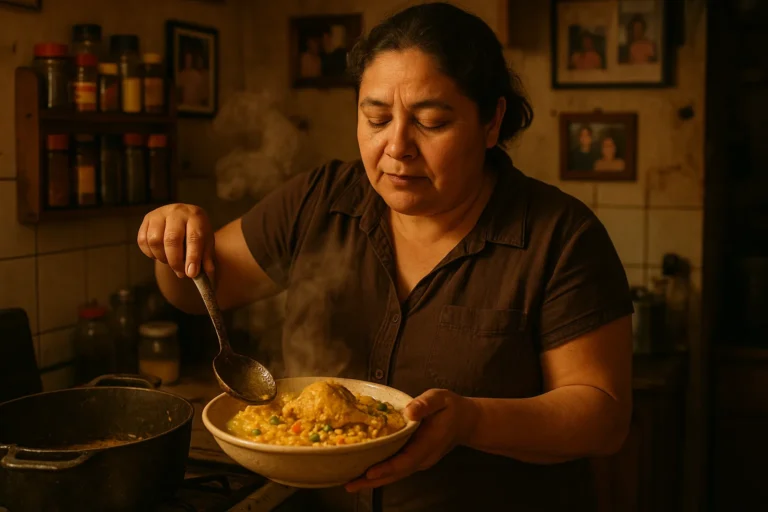
My grandmother used to say that beans and tortillas could carry you through anything. She meant it as reassurance. She also meant it literally. When money got tight, the fridge emptied out to a few staples: corn tortillas, pinto beans, maybe some rice, maybe an egg. Fruit disappeared first. Meat became a weekend event. Vegetables were whatever grew in the yard or didn’t cost much at the tienda. The meals still filled you up. They still tasted like home. But the nutritional math was quietly shifting underneath every plate.
Science half-agrees with her. Beans are a legitimately excellent source of nutrition. Tortillas provide energy. But what research is now documenting, with uncomfortable specificity, is that when food insecurity forces Latino families into repeated lower-quality swaps, the body starts keeping a different kind of ledger. One that shows up in blood work, in waist measurements, in a three-month average of blood sugar called HbA1c. And this pattern has been studied most directly in families of Mexican ancestry.
Food insecurity in Latino households is linked to higher HbA1c and worse cardiometabolic markers. That’s not a metaphor. It’s a measurable biological shift driven by what people can and can’t afford to eat, week after week, month after month.
How Food Insecurity Becomes a Metabolic Pattern

Let’s get precise about what food insecurity actually means in research. It doesn’t just mean hunger. The USDA defines it as a household-level condition of limited or uncertain access to adequate nutrition. That includes skipping meals, yes. But it also includes the subtler version: having enough calories but not enough quality. Filling the belly but not meeting the body’s nutritional needs.
A study by Eliud Silva and colleagues, published in *Nutrition, Metabolism and Cardiovascular Diseases* (2022), focused specifically on people of Mexican ancestry and found that food-insecure participants had poorer diet quality and higher HbA1c levels. That association held even after researchers adjusted for age, sex, BMI, waist circumference, and other sociodemographic factors. That’s a critical detail. It means you can’t just explain away the elevated blood sugar by saying food-insecure people weigh more or are older. Something about the dietary pattern itself, the swaps and tradeoffs that budget pressure forces, is contributing to a metabolic shift independent of those factors.
HbA1c measures the percentage of hemoglobin proteins in red blood cells that have glucose attached to them. Because red blood cells live for about 120 days, HbA1c reflects average blood sugar exposure over roughly three months. It’s not a snapshot of one bad meal. It’s a running total. A metabolic memory. When HbA1c goes up in food-insecure households, it tells us the dietary changes aren’t occasional. They’re persistent enough to leave a biochemical trace.
Normal HbA1c sits below 5.7%. Prediabetes ranges from 5.7% to 6.4%. At 6.5% and above, you’re looking at a diabetes diagnosis. The differences research is capturing in food-insecure Latino populations may seem small in absolute terms, but they represent shifts along a continuum where every tenth of a percentage point carries clinical meaning. A move from 5.5% to 5.9% might not change how someone feels on a Tuesday afternoon, but it changes their ten-year risk profile significantly.
The Swap Mechanism: What Changes When Money Runs Low
The most important thing to understand is how food insecurity operates on the body. It isn’t through starvation, at least not typically in U.S. households. It’s through substitution.
Researchers studying Hispanic and Latino dietary patterns have documented a consistent budget-pressure mechanism. When access to groceries becomes unstable, families reduce nutrient density. They swap out produce, lean proteins, and pricier ingredients in favor of cheaper, more calorie-dense options that stretch further. A gallon of milk costs more than a two-liter of soda. A pound of chicken breasts costs more than a package of hot dogs. Fresh vegetables spoil, which makes them a financial risk for a family that can’t afford to waste anything. Canned and processed options last longer and cost less per calorie.
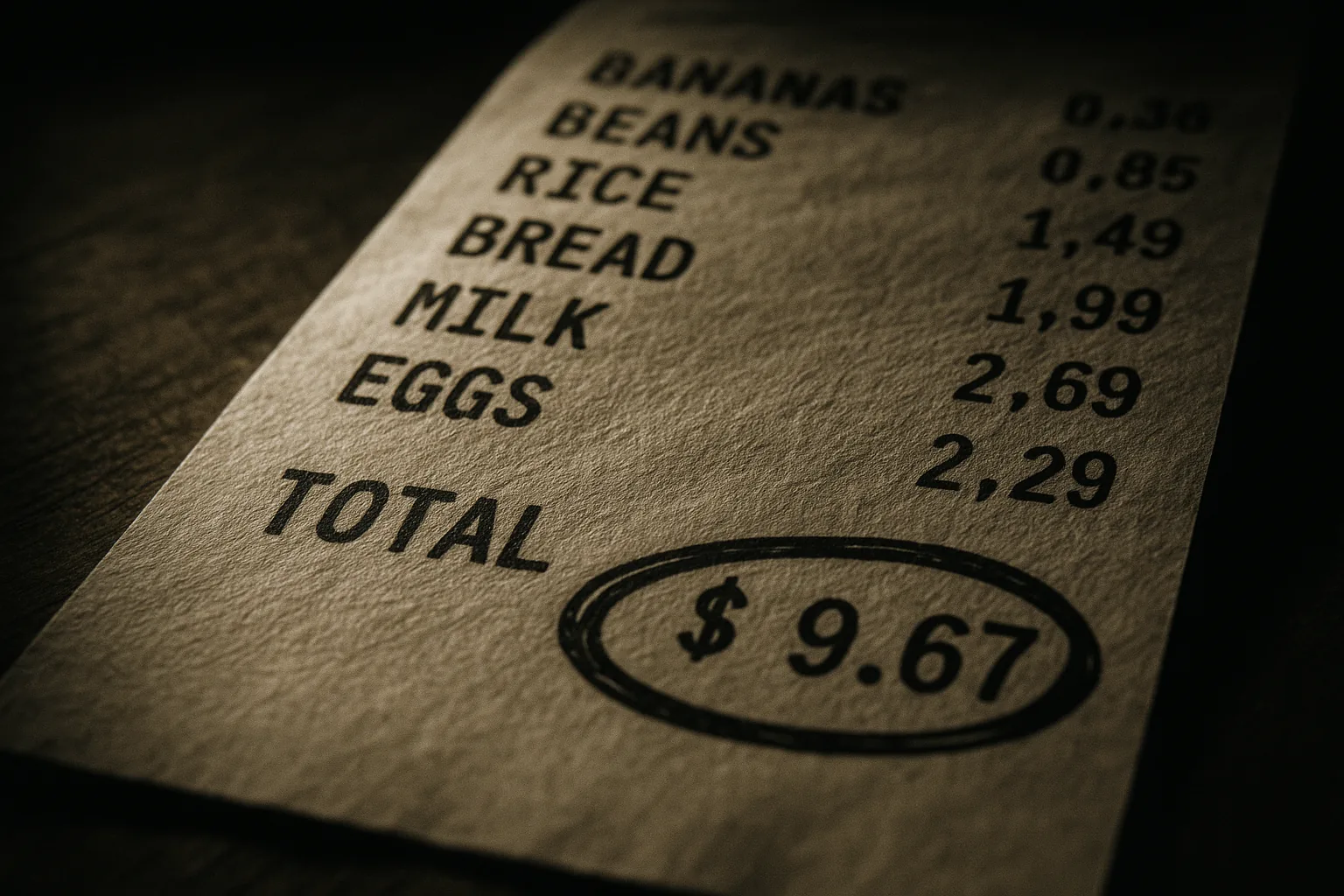
This isn’t about ignorance or preference. Anyone who’s stood in a grocery store with $40 to feed a family of five for the week understands the math. You buy what fills people up. You buy what keeps. You buy what doesn’t go bad before the next paycheck.
Picture a family three weeks into the month, SNAP benefits running low. The produce from week one is gone. The freezer has some tortillas and a bag of chicken nuggets. There’s rice, there’s oil, there’s a sleeve of saltines. The kids need lunch packed for school. Dinner needs to stretch for five people. You’re not thinking about glycemic index. You’re thinking about Thursday.
The result is a dietary pattern that can be adequate in calories but depleted in fiber, micronutrients, healthy fats, and the kind of slow-digesting carbohydrates that keep blood sugar stable. Instead, meals lean toward refined grains, added sugars, and sodium-dense prepared options. The glycemic load of the overall diet creeps upward. Insulin has to work harder. Over months and years, the pancreas starts to lose ground.
Earlier research on Hispanic and Latino adults explicitly noted that food-insecure individuals sometimes cope by consuming more traditional preparations, which can become calorie-dense or nutritionally unbalanced depending on preparation and ingredient availability. This is a nuanced point that gets lost in culture-war debates about diet. A pot of frijoles refritos made with lard and served with white rice and a flour tortilla is a different metabolic event than the same beans simmered from scratch with onion, garlic, and epazote alongside grilled nopales and a corn tortilla. Same name on the plate. Different nutritional reality. The version that ends up on the table often depends on what the grocery budget allows and how much time the cook has, which is itself a resource shaped by economics.
The Youth Data: Why This Starts Early
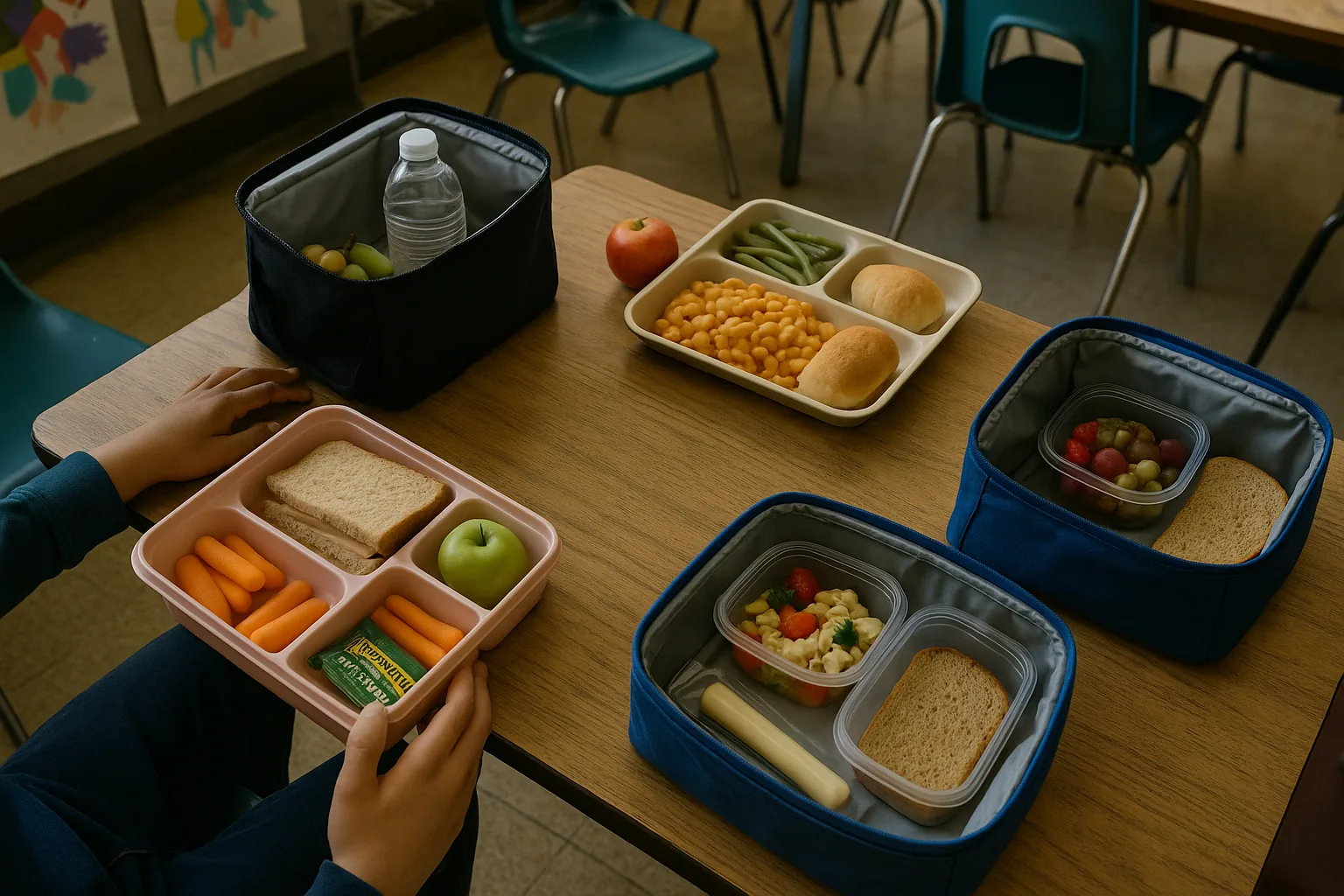
If the adult data are concerning, the youth data are alarming.
Studies of Hispanic and Latino young people show that lower household food security is associated with worse metabolic markers across the board: lower HDL cholesterol (the protective kind), higher fasting glucose, higher triglycerides, greater waist circumference, and a higher burden of metabolic syndrome. Metabolic syndrome isn’t a single disease. It’s a cluster of interconnected risk factors — elevated blood pressure, high blood sugar, excess abdominal fat, abnormal cholesterol or triglyceride levels — that together dramatically increase the odds of type 2 diabetes, heart disease, and stroke.
What makes the youth findings especially pointed is the context in which the associations appear strongest. One study found that the link between food insecurity and metabolic risk was most pronounced among young people with foreign-born parents or caregivers and those not receiving assistance. That tells us two things at once. First, immigration-related barriers — limited English, unfamiliarity with assistance programs, documentation fears, fear of public charge consequences — create a layer of food insecurity that goes beyond income alone. Second, participation in safety-net programs like SNAP appears to buffer some of the metabolic impact, which suggests these programs work, at least partially, when families can access them.
A separate study of reproductive-age Hispanic women found that nearly half of those with low food security met criteria for metabolic syndrome, compared to about a third of those with high food security. That gap is large. And because metabolic syndrome during reproductive years can influence pregnancy outcomes and even the metabolic programming of the next generation through gestational diabetes and intrauterine environment, the implications cascade forward in time.
The Debate Nobody Wants to Have Honestly

Here’s where the conversation gets uncomfortable and where a lot of public health messaging falls apart.
There’s a persistent framing in nutrition discourse that positions the problem as one of education. If people just knew what to eat, the thinking goes, they’d eat better. This framing is especially patronizing when aimed at Latino families, many of whom come from traditions that are, in their original form, remarkably well-constructed nutritionally. The traditional Mexican diet built around corn, beans, squash, chiles, tomatoes, nopales, and small amounts of animal protein is rich in fiber, micronutrients, and plant diversity. It doesn’t need to be “fixed.” It needs to be affordable.
The real debate isn’t whether Latino families know what’s good for them. It’s whether the economic conditions they face allow them to eat according to what they already know. And on this question, the research is unambiguous: budget pressure degrades diet quality, and degraded diet quality shows up in the blood.
But there’s a parallel debate that’s equally fraught. Some voices within Latino communities push back against any suggestion that traditional preparations contribute to metabolic risk, interpreting it as cultural criticism. Others argue that romanticizing traditional diets ignores the reality that many beloved recipes have been adapted over generations, often in the direction of more fat, more sugar, more refined carbohydrate, for reasons that are themselves tied to economics and colonialism and agricultural policy. Both sides have a point. Neither side has the whole picture.
The research doesn’t support the simplification that traditional Latino meals are “unhealthy.” But it also doesn’t support pretending that all versions of traditional preparations are metabolically equivalent. Preparation matters. Ingredient quality matters. And both of those things are shaped by how much money is in the grocery budget.
What Cortisol Adds to the Equation
Budget pressure isn’t only a dietary story. It’s a stress story, and stress has its own metabolic consequences.
Cortisol, the primary stress hormone produced by the adrenal glands, has a well-documented relationship with blood sugar regulation. When cortisol stays elevated chronically, as it does during periods of financial instability, housing insecurity, or uncertainty about the next meal, it promotes gluconeogenesis in the liver: the production of new glucose from non-carbohydrate sources. It also reduces insulin sensitivity in peripheral tissues, meaning cells respond less effectively to insulin’s signal to take up glucose from the blood.
The result is higher circulating blood sugar even without a change in diet. Layer chronic cortisol elevation on top of a diet that’s already been pushed toward higher glycemic loads by budget constraints, and you get a compounding effect. The stress of not being able to afford good groceries makes the metabolically inferior options you can afford even more damaging.
This mechanism helps explain why food insecurity’s metabolic effects persist even after controlling for BMI in statistical models. It’s not just about the meals themselves. It’s about the entire physiological environment created by scarcity and the anxiety of scarcity. A family that doesn’t know where next week’s groceries are coming from lives in a different hormonal reality than a family with a full pantry, even if the two families eat the same number of calories on any given day.
What Assistance Programs Actually Do to Metabolic Risk
If food insecurity drives metabolic risk partly through dietary quality and partly through stress, then the question becomes: do interventions that reduce insecurity actually improve the numbers?
The evidence here is mixed but leaning positive. What the youth studies suggest — that assistance buffers the association between insecurity and metabolic markers — is consistent with the broader literature showing that SNAP adequacy is linked to better diet quality when benefit levels are sufficient to purchase nutrient-dense groceries. The problem is that SNAP benefits often aren’t sufficient. The average SNAP benefit works out to roughly $6 per person per day. Try feeding a teenager well on that.
Community-based programs that combine access to groceries with culturally relevant nutrition support — think promotoras who work within existing social networks to connect families with produce distribution programs, farmers market incentive programs, and cooking workshops centered on traditional recipes made with affordable, nutrient-dense ingredients — have shown promise in smaller studies. But they’re not at scale. And they can’t solve the underlying problem, which is that nutrient-dense options cost more per calorie than nutrient-poor ones in the American system.
What Clinicians Can Do Right Now
For providers seeing Latino patients with rising HbA1c, routine screening for food insecurity should be as standard as checking blood pressure. The two-question Hunger Vital Sign screen — “Within the past 12 months, we worried whether our food would run out before we got money to buy more” and “Within the past 12 months, the food we bought just didn’t last and we didn’t have money to get more” — takes under a minute and has been validated across clinical settings. An affirmative answer changes the clinical picture. Prescribing a low-glycemic diet to a family that can’t afford produce is not a care plan. It’s a document.
Referrals matter: connecting patients to SNAP and WIC enrollment assistance, local food banks with culturally appropriate inventory, and community health workers who speak the language — literally and culturally — turns a lab result into an actionable conversation. Clinics partnering with promotora-led programs have seen improvements in dietary quality and A1c in pilot interventions, though larger trials are still needed.
The point isn’t to add one more thing to an already overwhelmed visit. It’s to recognize that for a significant portion of Latino patients, the metabolic problem is upstream of the prescription pad.
What Actually Helps Under Budget Pressure
Let’s get practical, because the families living this reality don’t have the luxury of waiting for policy change.
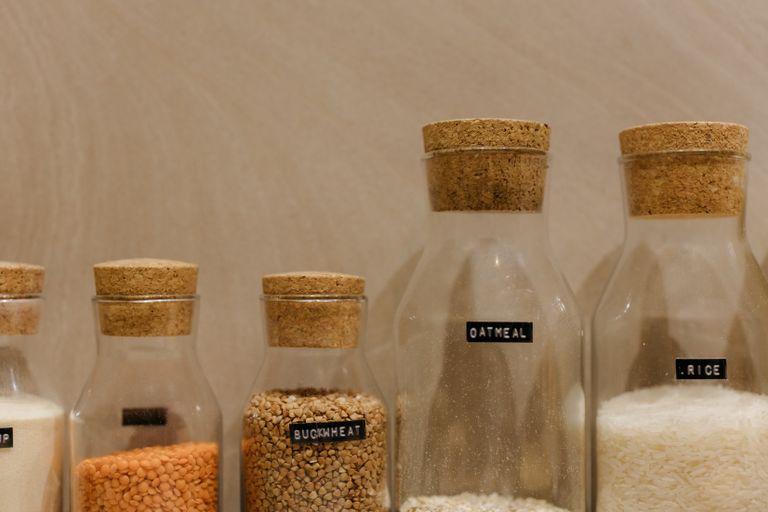
Dried beans remain one of the most cost-effective sources of fiber, protein, and slow-releasing carbohydrate available. A pound of dried pinto beans costs roughly $1.50 and yields about 10 servings. That’s 15 cents a serving for an ingredient that delivers approximately 15 grams of fiber and 15 grams of protein per cup cooked. Fiber slows gastric emptying, blunts postprandial glucose spikes, and feeds beneficial gut bacteria that produce short-chain fatty acids like butyrate, which improve insulin sensitivity. If there’s one item that bridges the gap between traditional Mexican foodways and evidence-based metabolic protection, it’s the bean.
Frozen vegetables are another underused tool. They’re picked and flash-frozen near peak ripeness, which preserves nutrient content, sometimes better than “fresh” produce that’s been trucked across the country for a week. A bag of frozen broccoli or mixed vegetables costs between $1 and $2 and provides several servings of fiber, vitamin C, folate, and potassium. They don’t spoil. They don’t require immediate use. For a food-insecure household, the absence of waste is itself a form of value.
Eggs, at roughly 20 to 30 cents each, deliver complete protein, choline, lutein, and fat-soluble vitamins. Oats, bought in bulk, provide beta-glucan fiber, which has specific evidence for reducing LDL cholesterol and improving glycemic control. Canned fish, particularly sardines and mackerel, offers omega-3 fatty acids at a fraction of the cost of fresh salmon.
The recommendation isn’t to eat perfectly. It’s to make the highest-impact swaps where they’re affordable. Replacing one sugary drink per day with water changes the glycemic load of the diet meaningfully. A 12-ounce can of soda delivers about 39 grams of sugar, all of it rapidly absorbed. Over a month, cutting one can per day removes roughly 1,170 grams of added sugar from the diet. That’s not trivial.
One Recommendation Worth Trying
If you’re feeding a family under budget pressure and you’re worried about blood sugar, start with what you already have in the pantry. Build the plate around beans. Not as a side, not as a complement to the main event, but as the foundation. A cup of frijoles de la olla with a corn tortilla, a fried egg on top, and whatever vegetable you can get — fresh, frozen, canned, it doesn’t matter — gives you a meal that keeps blood sugar more stable than most options three times the price.
You don’t have to abandon what you cook. You have to afford what you cook. And the gap between those two things is where the metabolic risk lives. That gap isn’t a personal failure. It’s a structural one. But while we wait for the structure to change, the beans are still there. They were there before the research, before the policy debates, before the HbA1c test existed.
My grandmother’s kitchen smelled like cumin and simmering pinto beans by 10 a.m. most days. She didn’t know what HbA1c was. She didn’t know about postprandial glucose curves or soluble fiber forming a viscous gel in the small intestine that slows absorption, reducing the insulin spike, decreasing the glycemic excursion that, repeated three times a day for months, is exactly what HbA1c captures. She would’ve said the beans keep you strong. She would’ve been right.