
When Eating Well Means Two Different Things
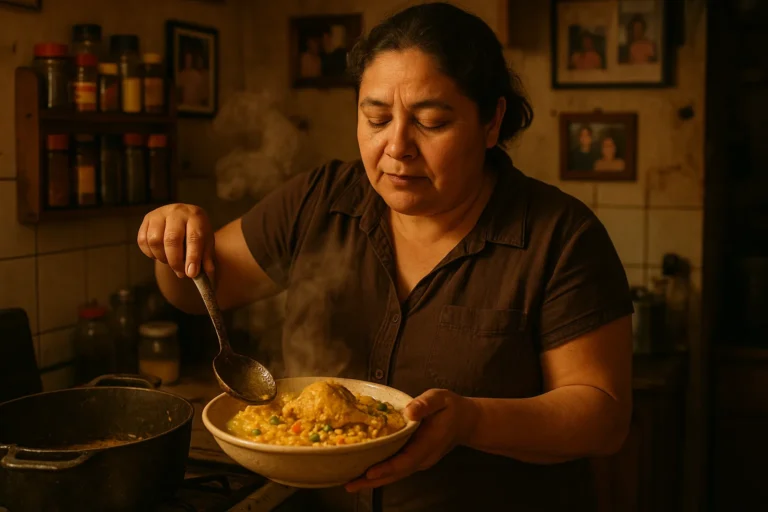
The smell of refried beans hitting a hot skillet at seven in the morning, that first crack of lard releasing its heavy, familiar sweetness into a kitchen still dark at the edges. I haven’t lived in that kitchen for twenty years, but my body remembers it faster than my mind does.
That’s the thing about Latino food and the body. The connection isn’t metaphorical. It’s stored in your nervous system, threaded through your gut microbiome, embedded in your cortisol patterns and your dopamine response. And it’s precisely this depth of connection that makes mainstream nutrition advice so clumsy when it enters a Latino household and announces that the way you’ve been eating is wrong.
Comiendo Bien Is Not a Translation of “Eating Clean”
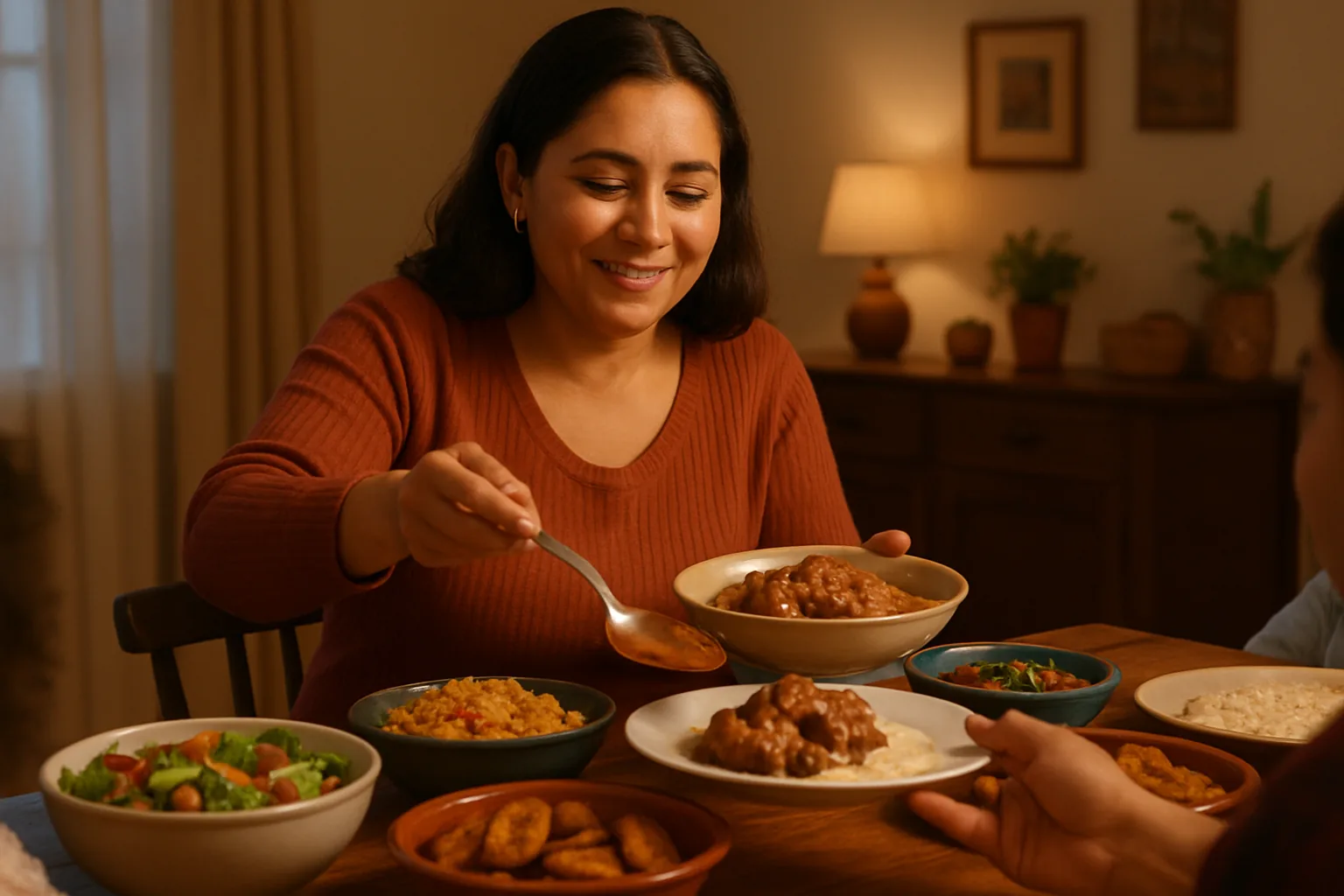
The phrase *comiendo bien* shows up constantly in qualitative research with Latino immigrant families, and it means something that no English nutrition pamphlet captures. Researchers at the University of North Carolina conducted in-depth interviews with Latina immigrants and found that “eating well” operated along two simultaneous tracks: a discourse of *satisfaction*, meaning food that fills you, pleases you, and connects you to people you love, and a discourse of *nourishment*, meaning food that sustains the body’s function. These weren’t in conflict until clinical nutrition advice entered the picture. When dietitians or public-health campaigns introduced the idea that certain foods should be restricted or portions reduced, the satisfaction axis got coded as the enemy of the nourishment axis. Women in the study described feeling torn between feeding their families in ways that felt culturally whole and following rules that made meals feel thin, anxious, diminished.
This isn’t a failure of willpower or education. It’s a collision between two legitimate systems of knowledge about what food is for. One system centers macronutrient profiles, glycemic load, caloric density. The other centers satiation, commensality, and the reproduction of identity through daily practice. Neither is irrational. But when only one gets treated as science, the other gets pathologized.
The Biology of Why Food Memory Hits So Hard
There’s a reason the smell of those beans drops me back into a specific room in a specific year. Olfactory neurons are the only sensory neurons that synapse directly into the limbic system without first passing through the thalamus. That means smell bypasses the brain’s usual relay station and lands straight in the amygdala and hippocampus, the regions that govern emotional memory and contextual encoding. No other sense has this shortcut.
When you pair that neuroanatomy with the fact that many of the aromatic compounds in traditional Latino cooking are fat-soluble, meaning they require a lipid carrier to volatilize fully, you get a biological explanation for why low-fat substitutions don’t just taste different. They smell different. They fail to trigger the same limbic cascade. A bean dish made with oil instead of lard isn’t just missing a flavor. It’s missing a signal that tells your brain: you’re home, you’re safe, this is your people.
The compound largely responsible for lard’s distinctive aroma profile when heated is a combination of 2,4-decadienal and several short-chain aldehydes generated through thermal oxidation of oleic and linoleic acid. These volatiles aren’t present in olive oil or canola oil at the same concentrations or ratios. So the substitution isn’t neutral. It rewrites the sensory architecture of the meal.
This matters clinically because the sense of safety and belonging triggered by familiar food aromas has measurable effects on cortisol. A 2018 study published in *Physiology & Behavior* demonstrated that exposure to familiar comfort-food odors reduced salivary cortisol by an average of 14% in participants under moderate psychosocial stress. For a population already navigating the chronic stress of immigration, language barriers, discrimination, and economic precarity, that cortisol modulation isn’t trivial. It’s a regulatory mechanism. And when nutrition advice strips it away without offering a replacement, it doesn’t just change what people eat. It removes a stress buffer.
Family Meals Aren’t Just Tradition. They’re a Metabolic Event.
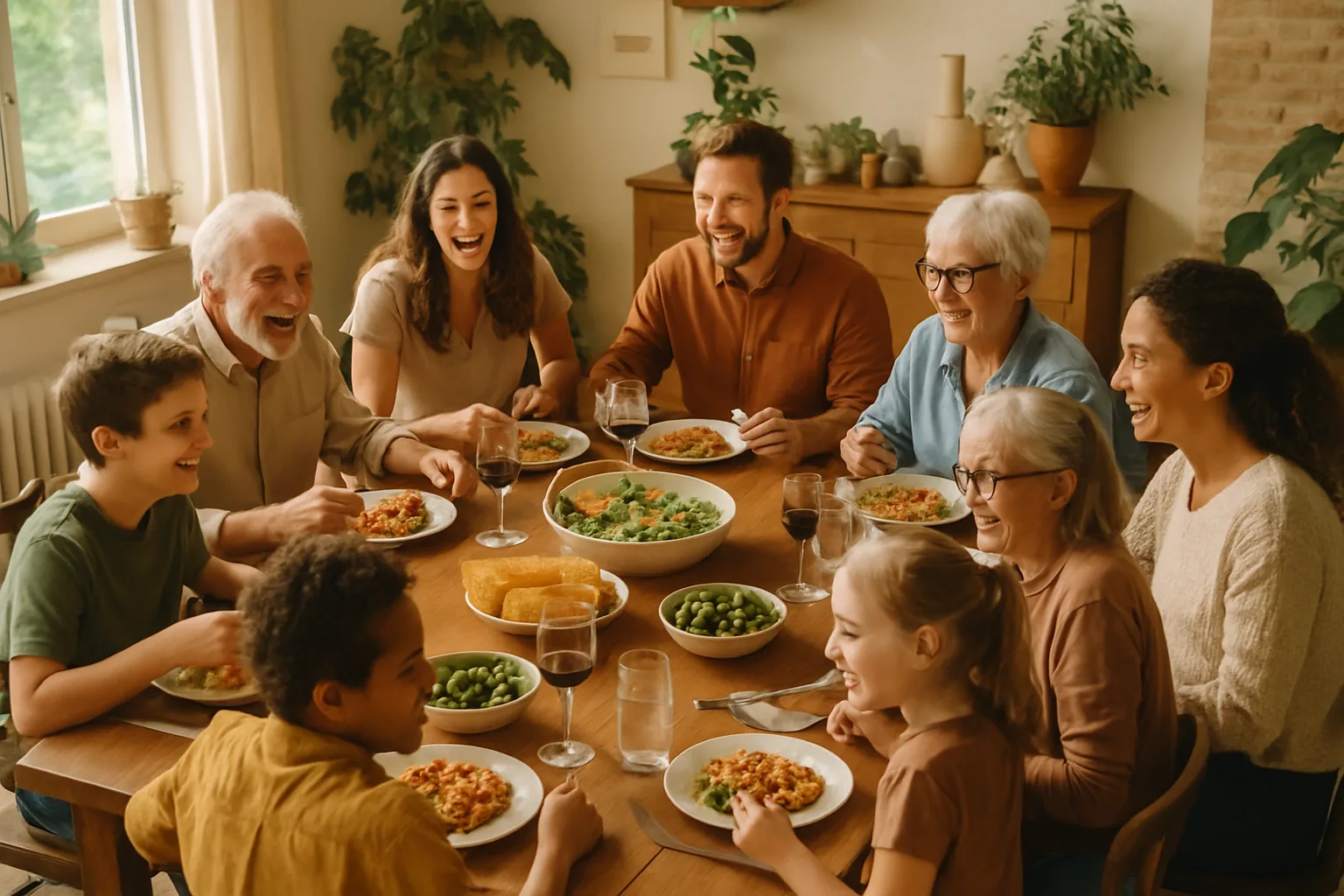
Research on Latino parents and feeding practices consistently finds that family meals function as a primary site where cultural identity, health beliefs, and body attitudes are transmitted. A 2020 study in the *Journal of Nutrition Education and Behavior* examined how Latino parents conceptualized healthy eating and physical activity for their children. The findings were striking: parents didn’t separate food from social context. A “healthy” meal was one eaten together, at a table, with enough food for everyone to feel satisfied. Restriction, in this framework, wasn’t discipline. It was deprivation. And deprivation signaled failure, poverty, inability to provide.
This perception isn’t irrational, either. It maps onto a well-documented metabolic reality. Shared meals eaten at a regular time, at a moderate pace, in a low-stress social environment produce different postprandial glucose and insulin responses than the same food eaten alone, quickly, or under stress. A 2019 study in *Appetite* found that eating in a socially positive context reduced postprandial glucose excursion by approximately 9% compared to eating alone, even when caloric intake and macronutrient composition were controlled. The mechanism appears to involve parasympathetic activation: relaxed social eating increases vagal tone, which enhances gastric motility and insulin sensitivity.
So when a Latino family sits down to Sunday dinner and everyone eats arroz con pollo until they’re full, and the grandmother insists on seconds, and the kids are noisy and the TV is on, that metabolic environment is probably more insulin-friendly than a lone person eating a pre-portioned meal-prep container at their desk while answering emails. The food might be “worse” by a nutrient-profile standard. The metabolic context might be better.
Body Image, Eating Disorders, and the Cost of the Collision

Here’s where the stakes get painful. Research on Latina and Latine women has documented rising rates of body dissatisfaction and eating-disorder risk over the past two decades. A 2022 review published in *Eating Disorders: The Journal of Treatment and Prevention* found that Latina women reported rates of binge eating and bulimia nervosa comparable to or exceeding those of white women, while simultaneously being less likely to receive a diagnosis or referral for treatment. The gap isn’t because the suffering is less. It’s because clinicians often don’t screen for eating disorders in Latina patients, partly due to stereotypes that eating disorders are a “white” condition.
The cultural collision matters here directly. When a young Latina grows up hearing from her family that fullness equals love and abundance, and then enters a mainstream American context where thinness equals discipline and moral worth, she isn’t just navigating two beauty standards. She’s navigating two contradictory somatic paradigms. Her body becomes the site where these systems fight.
Clinical literature on Latinas with eating disorders emphasizes that food’s emotional role in Latino families can become a vector for distress when that role is disrupted. A 2021 paper in *Cultural Diversity and Ethnic Minority Psychology* recommended that interventions for Latina patients with disordered eating should address the link between food and emotional regulation directly, rather than prescribing dietary rules that may replicate the very restriction-binge cycle driving the disorder. In other words, telling a Latina with binge eating disorder to “eat less” of her family’s food can deepen the shame and accelerate the cycle. The treatment has to understand why the food matters before it can change the relationship.
Diet Culture Didn’t Come From Our Kitchens
Contemporary commentary from Latino nutritionists, therapists, and food writers has increasingly named a specific pattern: Western diet culture codes Latino foods as inherently unhealthy, and that coding intensifies body shame among Latinos who already face racialized health messaging. When a public-health campaign puts a photo of a taco next to a calorie count and a warning about sodium, it doesn’t just communicate nutritional information. It communicates that this food, your food, is a problem. And by extension, you are a problem.
This framing has measurable consequences. A 2023 analysis in *Health Communication* examined how English-language nutrition campaigns targeting Latino communities affected food attitudes and found that messages emphasizing restriction and risk were associated with increased guilt around traditional foods but no significant improvement in dietary quality. Messages that instead highlighted the nutritional strengths of traditional ingredients, like the fiber content of black beans (approximately 15 grams per cup, which exceeds the fiber in most commercial “health” foods) or the lycopene concentration in cooked tomato-based salsas (which increases by 35% through thermal processing compared to raw tomatoes), were associated with more positive food attitudes and marginally better adherence to dietary recommendations.
The difference isn’t just tone. It’s epistemology. One approach treats Latino food as a deficit to be corrected. The other treats it as a resource to be understood.
Structural Forces Shape the Plate Before Choice Enters the Room
Any honest conversation about Latino food and the body has to reckon with structure. Scholarship in Latina/o food studies, particularly work by scholars like Meredith Abarca and Psyche Williams-Forson, argues that the food industry, labor conditions, geographic access, and broader food environments shape what ends up on a family’s table far more than individual preference or cultural tradition.
Consider the farmworker who picks the strawberries but can’t afford to buy them. Consider the family in a food desert in South Texas where the nearest full-service grocery store is 23 miles away but the nearest fast-food restaurant is three blocks. Consider the shift worker who clocks out at midnight and whose only hot-food option is a gas-station microwave. These aren’t cultural choices. They’re structural constraints. And when public health attributes the resulting dietary patterns to “culture” or “tradition” without naming the economic and political forces at work, it launders a systemic failure as a community deficiency.
Dietary acculturation research shows this clearly. A longitudinal study tracking Mexican-American immigrants over a ten-year period found that acculturation to the U.S. food environment was associated with increased consumption of sugar-sweetened beverages (up 32%), processed snack foods (up 28%), and fast food (up 41%), while consumption of legumes, whole grains, and home-cooked meals declined. The “American diet” wasn’t something immigrants chose. It was something the food environment imposed through pricing, proximity, marketing, and time scarcity.
The Gut Doesn’t Forget Where You Come From
There’s a relatively new line of research that adds a biological layer to all of this. Studies on the gut microbiome and dietary transition have found that immigrants who shift from traditional diets to Westernized diets experience measurable changes in microbial diversity within months. A 2018 study in *Cell* tracked Hmong and Karen immigrants to the United States and documented a rapid loss of Prevotella species, which are associated with fiber-rich plant-based diets, and a corresponding increase in Bacteroides species, which are associated with high-fat, high-sugar Western diets. The microbial shift correlated with increased adiposity and metabolic markers associated with insulin resistance.
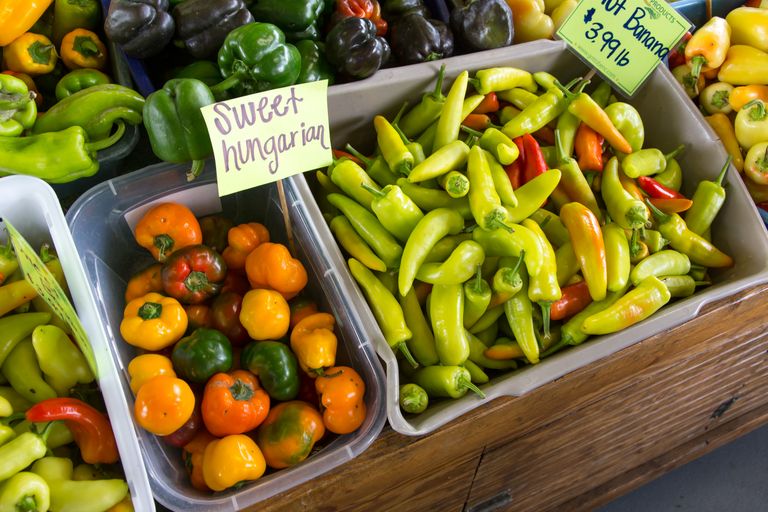
While this study focused on Southeast Asian immigrants, the dietary transition pattern closely mirrors what’s documented in Latino acculturation research. Traditional Mexican and Central American diets are high in legumes, corn-based whole grains, squash, and chili peppers, all of which are potent prebiotic substrates that support Prevotella-dominant gut communities. When these foods are replaced by processed alternatives, the microbial community shifts, and with it, the host’s metabolic capacity.
The implication is significant: returning to traditional foods isn’t just culturally affirming. It may be microbiologically restorative. A diet centered on black beans, nopal, chayote, and nixtamalized corn provides an estimated 35 to 50 grams of dietary fiber per day, well above the U.S. average of 16 grams and above the 25 to 30 grams recommended by the American Heart Association. That fiber isn’t just bulk. It’s fuel for microbial fermentation, producing short-chain fatty acids like butyrate, which strengthens the intestinal barrier, modulates inflammation through inhibition of NF-kB signaling, and improves insulin sensitivity via activation of free fatty acid receptor 2 (FFAR2) in pancreatic beta cells.
How to Think About This Intelligently
So what does an intelligent response look like? Not a rejection of nutrition science. Not a romanticization of tradition. Something more honest than either.
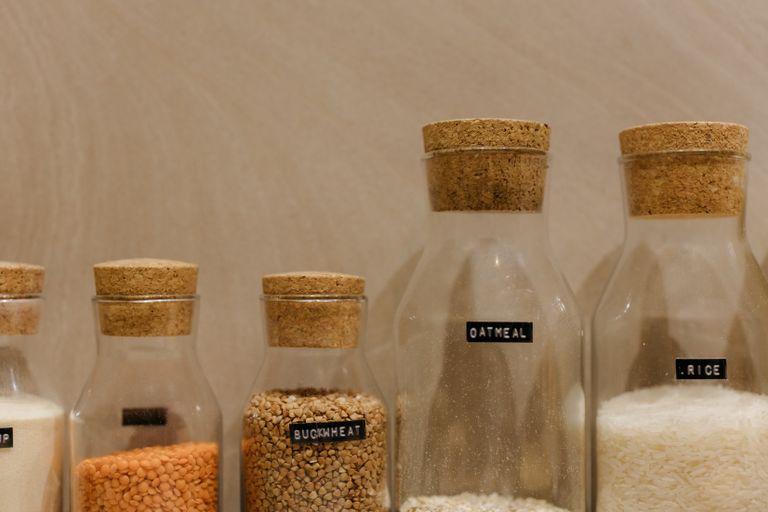
First, recognize that comiendo bien and evidence-based nutrition are not opposites. They overlap more than the messaging suggests. A traditional Mexican plate built around beans, rice, squash, salsa, and a modest portion of protein is nutritionally competitive with most “clean eating” prescriptions, often at a fraction of the cost. The problem isn’t the food. It’s the narrative that treats this food as inferior.
Second, protect the meal context. The parasympathetic benefits of shared, relaxed, regular meals are real and underappreciated. If you’re optimizing your macros but eating them stressed and alone, you’re losing metabolic ground that your abuela gained by insisting everyone sit down together.
Third, be suspicious of any nutrition advice that makes you feel ashamed of your family’s food. Shame doesn’t produce behavior change. It produces cortisol, avoidance, and binge cycles. If a dietary framework requires you to disown your culinary heritage before it’ll accept you, that framework is broken. You’re not.
Fourth, name the structural factors. If your neighborhood doesn’t have a grocery store, that’s not your culture’s fault. If your work schedule doesn’t allow time to cook, that’s not a personal failing. Advocacy for food access, living wages, and worker protections is as much a nutritional intervention as any supplement or meal plan.
And fifth, if you’re a clinician, a dietitian, a health educator working with Latino communities: learn the food before you prescribe. Know what goes into mole. Understand why tamales take all day and why that day matters. Recognize that when a patient says they “eat well,” they might mean something richer and more precise than you think.
One Recommendation Worth Carrying Forward
Cook one traditional meal this week with someone you love. Not because it’s a superfood. Not because a study said so. Because the act of preparing food in company, of smelling the sofrito hit the pan, of arguing about whether the rice needs more water, of sitting down when it’s ready and eating until you’re satisfied, that act is doing more for your metabolic and psychological state than you’ve been given credit for.
The literature supports it. Your body already knows it. The only thing that was ever missing was permission to trust what you already understood.