Cumin, Oregano, Achiote: The Flavor That Never Needed Salt
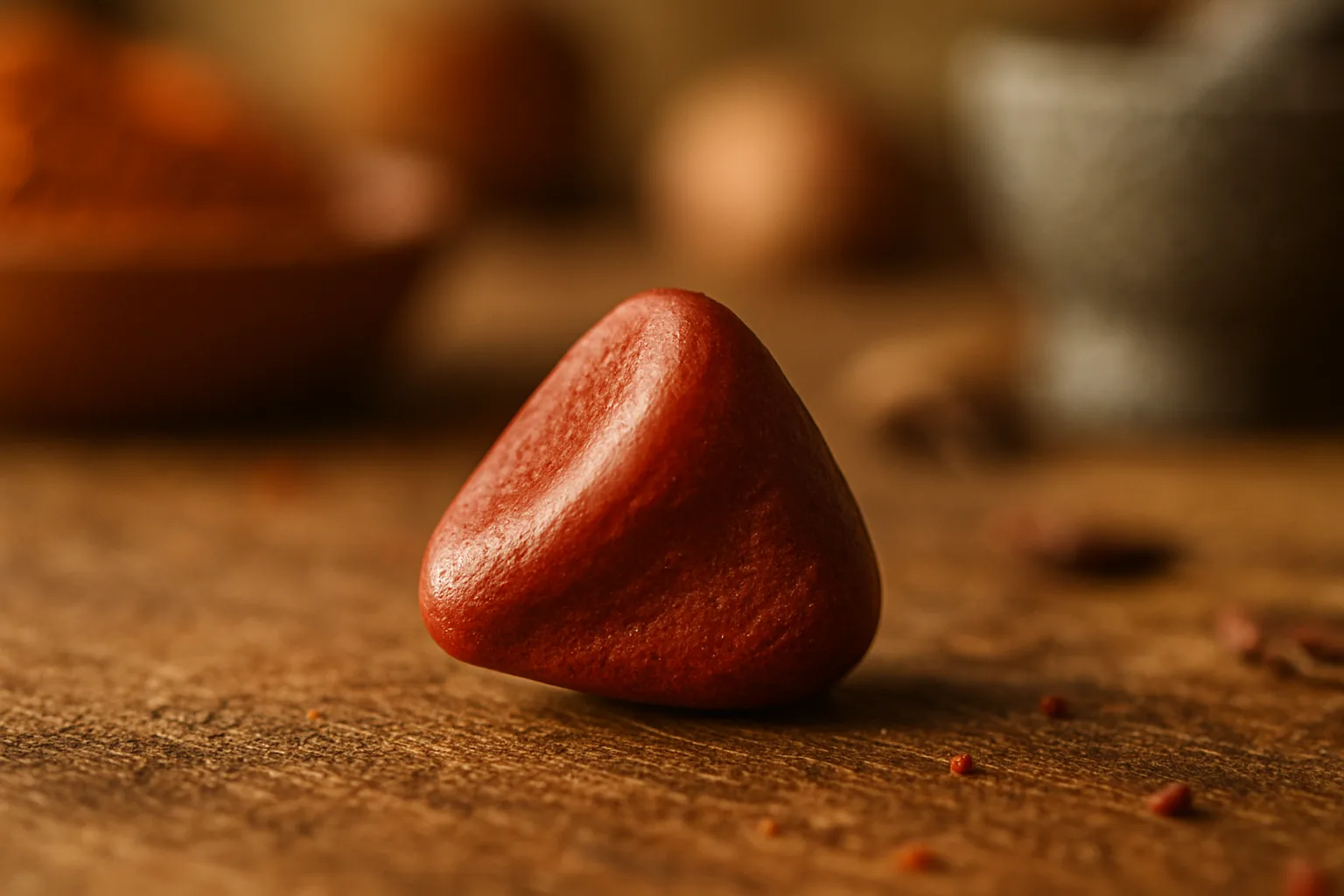
A single seed of annatto. Brick red, waxy, smaller than a peppercorn. The first thing it makes me think of is my tía’s arroz, that deep gold color that seemed to come from nowhere, because she never explained what she put in. She’d just say “sazón.” As a kid, I assumed sazón was one thing—a single powder from a single packet. It took years to realize that sazón isn’t a product. It’s a concept. And the low sodium Latino spice blends that built it were already there, long before the foil packets showed up.
So here’s a question I keep circling: if the spices themselves carry the flavor, why did salt become the lead ingredient in so many commercial versions? And what actually happens, physiologically, when someone with hypertension swaps out a bouillon cube for a mortar full of toasted cumin and coriander?
Why We Confused the Salt for the Seasoning
Most people get the origin story backwards. The common assumption is that traditional Latino cooking is inherently salty—that the bold flavors of a sofrito or a mole or a pot of frijoles come primarily from sodium. That belief didn’t come from abuelas. It came from packaging.
When companies like Goya and Knorr standardized sazón and bouillon into shelf-stable products in the mid-twentieth century, they needed preservation and consistency. Salt delivered both. Monosodium glutamate delivered umami on the cheap. The result was a product that trained two generations to associate a specific salty-savory hit with “authentic” flavor. But if you pull apart the recipes that predate those packets—handwritten ones, regional ones, the ones passed through kitchens in Oaxaca, Yucatán, Puerto Rico, the Dominican Republic—you find something different. The backbone is annatto, cumin, Mexican oregano, coriander, garlic, and sometimes black pepper or cloves. Salt appears, but as a supporting player, not the star.
A homemade sazón recipe from a traditional Puerto Rican kitchen might include a teaspoon of salt across a batch that seasons twenty or thirty meals. A single Goya Sazón packet contains about 310 milligrams of sodium for one serving—roughly the same amount you’d get from a quarter teaspoon of table salt, concentrated into a tiny foil envelope designed for a single pot of rice. That distinction matters enormously when the same household uses two or three packets a day across multiple dishes.
The Hypertension Math That Nobody Wants to Do
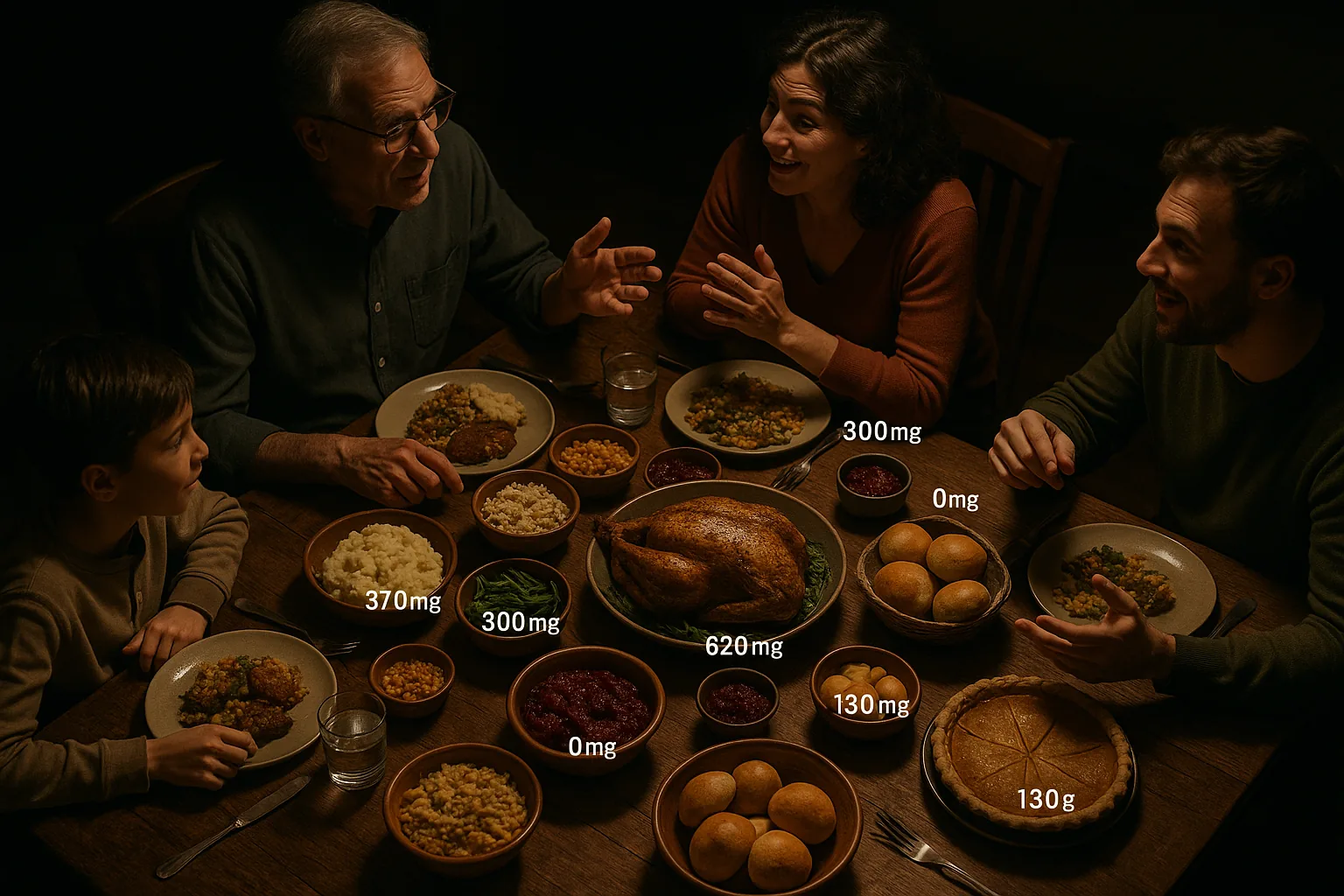
Here’s where it gets personal. Hypertension affects roughly 50% of Hispanic adults over the age of 60 in the United States, according to data from the National Health and Nutrition Examination Survey (NHANES). The American Heart Association recommends no more than 2,300 milligrams of sodium per day, with an ideal limit of 1,500 milligrams for people with high blood pressure. A single meal that uses packaged sazón, a bouillon cube, and a sprinkle of adobo seasoning can easily push past 1,000 milligrams of sodium before anyone picks up a salt shaker.
But here’s the part most dietary guidance misses: telling someone to “cut salt” from rice and beans and stews is, culturally, like telling them to cut flavor. It’s asking people to make food that tastes incomplete. And food that tastes incomplete doesn’t get eaten with satisfaction, which means people either add salt back at the table or stop cooking at home altogether—both of which are worse outcomes.
The smarter approach, and the one that’s actually gaining traction in Latino kitchens right now, is not subtraction. It’s substitution. Keep the cumin. Keep the oregano. Keep the achiote. Lose the packet.
What Cumin, Oregano, and Achiote Actually Do on a Molecular Level
Let’s talk about why these specific spices work as sodium stand-ins, because it’s not just cultural preference. There’s a sensory science explanation.
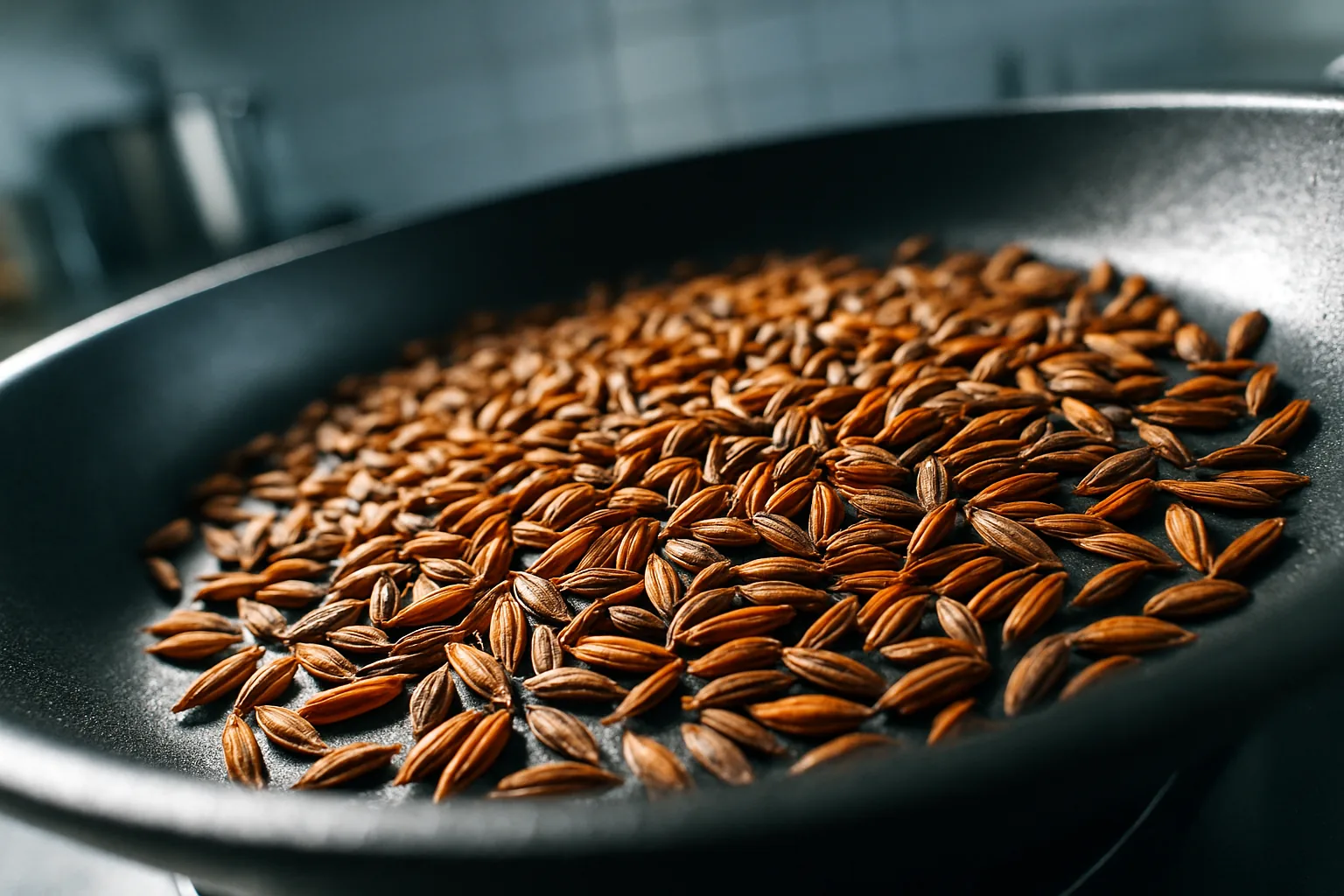
Cumin contains a compound called cuminaldehyde, which is responsible for its warm, earthy, slightly nutty aroma. When you toast cumin seeds in a dry pan before grinding them, you trigger the Maillard reaction on the seed’s surface, generating dozens of additional volatile aroma compounds. Those compounds activate olfactory receptors that the brain interprets as complexity and depth—qualities we often associate with “well-seasoned” food. A 2017 study published in the journal *Food Quality and Preference* found that increasing aromatic intensity in food allowed subjects to perceive the same level of saltiness at 40% less sodium. Cumin is one of the most efficient ways to do that.
Mexican oregano (Lippia graveolens, not the Mediterranean variety) is rich in thymol and carvacrol, both of which stimulate trigeminal nerve endings in the mouth. That stimulation creates a mild tingling warmth that mimics the mouthfeel contribution of salt. It’s not identical, but it fills a sensory gap. Carvacrol also has documented antimicrobial properties, which historically made oregano useful for food preservation—the same function salt served. The parallels run deep.
Achiote, or annatto, works differently. Its primary compounds are bixin and norbixin, both carotenoid pigments. They don’t contribute much in terms of flavor intensity; annatto’s taste is subtle, earthy, faintly peppery. What annatto does brilliantly is provide color. And color matters more than most people realize in salt perception. A 2014 study in the *Journal of Sensory Studies* demonstrated that foods with deeper, warmer color saturation were rated as more flavorful by participants, even when the actual seasoning was held constant. When your arroz comes out golden-orange from annatto instead of pale beige, your brain expects more flavor—and partially delivers it.
So the trio of cumin, oregano, and achiote isn’t a random cultural inheritance. It’s a sensory system: aroma, mouthfeel, and visual cue, working together to create the perception of full seasoning. Salt amplifies that system, but it’s not the engine.
The Garlic and Coriander Multiplier Effect
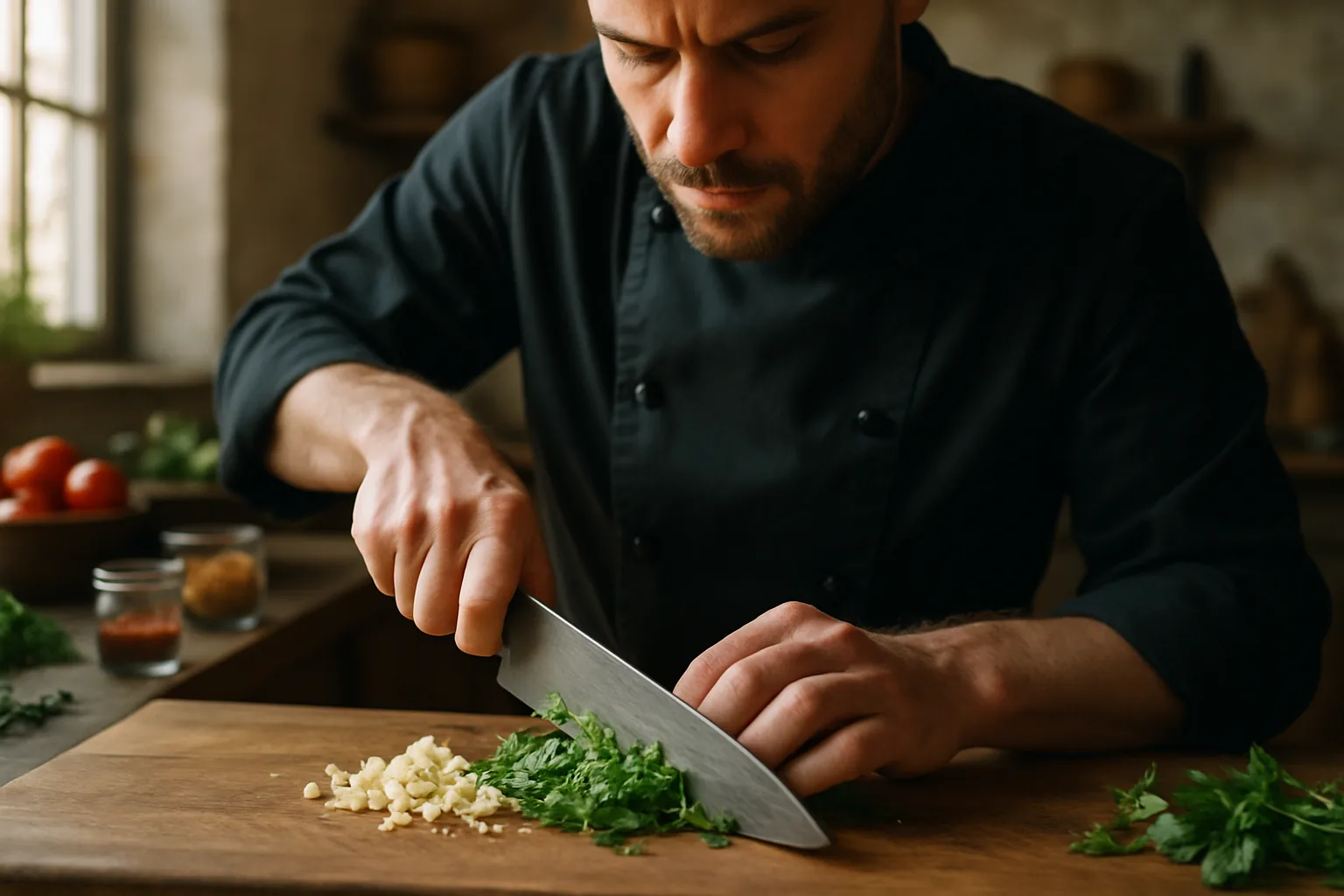
I don’t want to skip past two other ingredients that show up in almost every traditional sazón blend: garlic and coriander seed.
Garlic contains allicin, a sulfur compound that breaks down during cooking into diallyl disulfide and ajoene, among others. These compounds have their own relevance to the hypertension conversation beyond flavor. A meta-analysis published in *Integrated Blood Pressure Control* in 2014 reviewed 11 randomized controlled trials and found that garlic supplementation reduced systolic blood pressure by an average of 4.6 mmHg compared to placebo. The effective dose in those studies ranged from 600 to 1,500 milligrams of aged garlic extract daily, which is roughly equivalent to one to four fresh cloves. A sofrito base that uses three or four cloves of garlic per batch isn’t just replacing sodium flavor. It may be contributing a modest but real antihypertensive effect.
Coriander seed (the dried fruit of Coriandrum sativum, distinct from the fresh leaf we call cilantro) contains linalool as its dominant volatile compound. Linalool has anxiolytic properties—it reduces anxiety in animal models and has shown mild sedative effects in human aromatherapy studies—but its relevance here is more practical. Linalool provides a bright, citrusy top note that lifts the heavier base notes of cumin and garlic. In perfumery, this would be called a “modifier.” In cooking, it’s what keeps a spice blend from feeling flat. Toasted and ground coriander seed, combined with toasted cumin, creates the aromatic equivalent of turning up the volume without touching the sodium dial.
Where Packaged Products Still Sneak Sodium In
Now for the uncomfortable part. Even cooks who are intentionally building low-sodium spice blends at home often undo their own work without realizing it. The culprits are specific, and they’re sitting in most Latino pantries right now.
Knorr Caldo de Pollo (chicken bouillon cubes): one cube contains roughly 1,140 milligrams of sodium. A single cube. Many recipes for beans, soups, and rice call for one or two cubes per pot. That’s potentially the entire daily sodium allowance from one ingredient that the cook might not even think of as “salt.”
Goya Adobo All-Purpose Seasoning: the original version lists salt as its first ingredient. One teaspoon delivers about 1,680 milligrams of sodium. Goya does make a “sin pimienta” version and a low-sodium version, but the original still outsells both, and the label doesn’t prominently flag the sodium content in a way that changes behavior.
Badia Sazón Tropical: salt is listed as the first or second ingredient depending on the variety, with sodium ranging from 220 to 380 milligrams per quarter-teaspoon serving. A quarter teaspoon is almost nothing. Most cooks use several times that amount.
The pattern is consistent: the commercial versions take the same spice backbone—annatto, cumin, oregano, garlic—and load it with sodium chloride and often MSG. The spices are still there, but they’re overwhelmed. The cook thinks they’re adding “seasoning.” What they’re really adding, in volume, is salt with a spice garnish.
A Second Mechanism: Potassium and the Sodium-Potassium Ratio
There’s another angle to this story that doesn’t get enough attention. Hypertension isn’t just about how much sodium you consume. It’s about the ratio of sodium to potassium in your diet. Potassium helps the kidneys excrete sodium and relaxes blood vessel walls. The DASH (Dietary Approaches to Stop Hypertension) diet, which has some of the strongest clinical evidence for blood pressure reduction, emphasizes increasing potassium as much as decreasing sodium.
Here’s where traditional Latino cooking has a built-in advantage that the salt-focused conversation misses. Many of the dishes that use sazón-style seasoning—black beans, pinto beans, lentils, rice-and-bean combinations, stews with potatoes and squash—are naturally high in potassium. A cup of cooked black beans contains about 611 milligrams of potassium. A cup of cooked calabaza (tropical pumpkin) has around 564 milligrams. A medium plantain delivers roughly 893 milligrams.
When you season those inherently potassium-rich foods with a sodium-loaded packet, you’re undermining their cardiovascular benefit. When you season them with homemade sazón—annatto, cumin, oregano, coriander, garlic, no added salt—you preserve the potassium advantage and let the food do what it was already doing. The traditional plate isn’t the problem. The packet is.
A 2019 analysis in the *European Heart Journal* followed over 180,000 participants across 18 countries and found that a higher urinary sodium-to-potassium ratio was more strongly associated with cardiovascular events and death than either sodium or potassium measured alone. The ratio matters more than the absolute number. That reframes the entire conversation. It’s not “eat less salt.” It’s “don’t salt the foods that are already working for you.”
How to Build a No-Salt Sazón at Home
The practical version of this is almost embarrassingly simple. A base sazón blend with no added sodium requires five or six ingredients, about ten minutes, and a spice grinder or a molcajete if you want the texture your abuela would recognize.
Start with annatto seeds. Toast a tablespoon in a dry skillet over medium heat for about two minutes, until they darken slightly and start to smell earthy. Grind them. Add a tablespoon of toasted cumin seeds, ground. Add a teaspoon of toasted coriander seeds, ground. Add a teaspoon of dried Mexican oregano, crushed between your palms. Add a teaspoon of granulated garlic or two cloves of fresh garlic, minced and dried. Add a half teaspoon of black pepper. That’s it. No salt. No MSG. No fillers.
Store it in a jar. Use it exactly as you’d use a packet—in rice, beans, stews, marinades for pork or chicken, rubbed on fish before grilling. The color will come from the annatto. The aroma will come from the cumin and coriander. The bite will come from the oregano and pepper. What you’ll notice, after a week or two of using it, is that your palate recalibrates. Food starts tasting more nuanced, not less. That’s not wishful thinking. It’s documented: a study in the *American Journal of Clinical Nutrition* (2013) found that gradual sodium reduction over a twelve-week period led to increased preference for lower-sodium foods. The taste buds literally adjust.
The Achiote Paste Question
One more thing worth addressing: achiote paste, the dense red-orange block sold in Mexican grocery stores and used extensively in Yucatecan cooking for dishes like cochinita pibil. Is it a low-sodium option?
It depends entirely on the brand. El Yucateco achiote paste lists salt among its ingredients, but the sodium content is relatively modest—about 250 milligrams per tablespoon—because the paste is dominated by annatto seed, oregano, cumin, pepper, and a splash of vinegar or citrus. Compare that to the same tablespoon-sized serving of bouillon paste, which can hit 1,000 milligrams or more. Achiote paste isn’t sodium-free, but it’s playing a fundamentally different game.
And you can make your own. Soak annatto seeds in warm water or citrus juice for several hours, blend them with garlic, oregano, cumin, black pepper, allspice, and a tablespoon of bitter orange juice or a mix of lime and orange juice. Press it into a block. Refrigerate. No salt needed. The flavor will be deep, complex, slightly bitter, and completely satisfying—because annatto was never asking for salt’s help.
The Practical Takeaway for Blood Pressure and Flavor
The shift happening in Latino kitchens right now isn’t about rejecting tradition. It’s about recognizing which part of tradition is the food and which part is the marketing. Cumin, oregano, coriander, garlic, and achiote are the food. They’ve been the food for centuries. The foil packet was an industrial shortcut that borrowed their identity and buried it under sodium chloride.
If someone in your household is managing hypertension—and given that nearly half of Latino adults over 60 are—there’s a single, concrete change that preserves every familiar flavor while removing a significant sodium source. Make your sazón from scratch. Use it generously. Let the annatto handle the color, the cumin and coriander handle the depth, the oregano handle the brightness, and the garlic handle everything else. Then look at the packaged bouillon, the jarred adobo, the foil sazón packets, and ask honestly: what are those adding that the spices aren’t?
The answer, almost always, is just salt. And you already have salt in your kitchen. You can control how much goes in. What you can’t control is the 310 milligrams per packet, multiplied by three packets a day, multiplied by thirty years of cooking that way.
The spices were always the point. The sodium was always the rider. Now that we can see the difference, the only question is whether we act on it.