Nopal for Blood Sugar: What Human Trials Actually Show
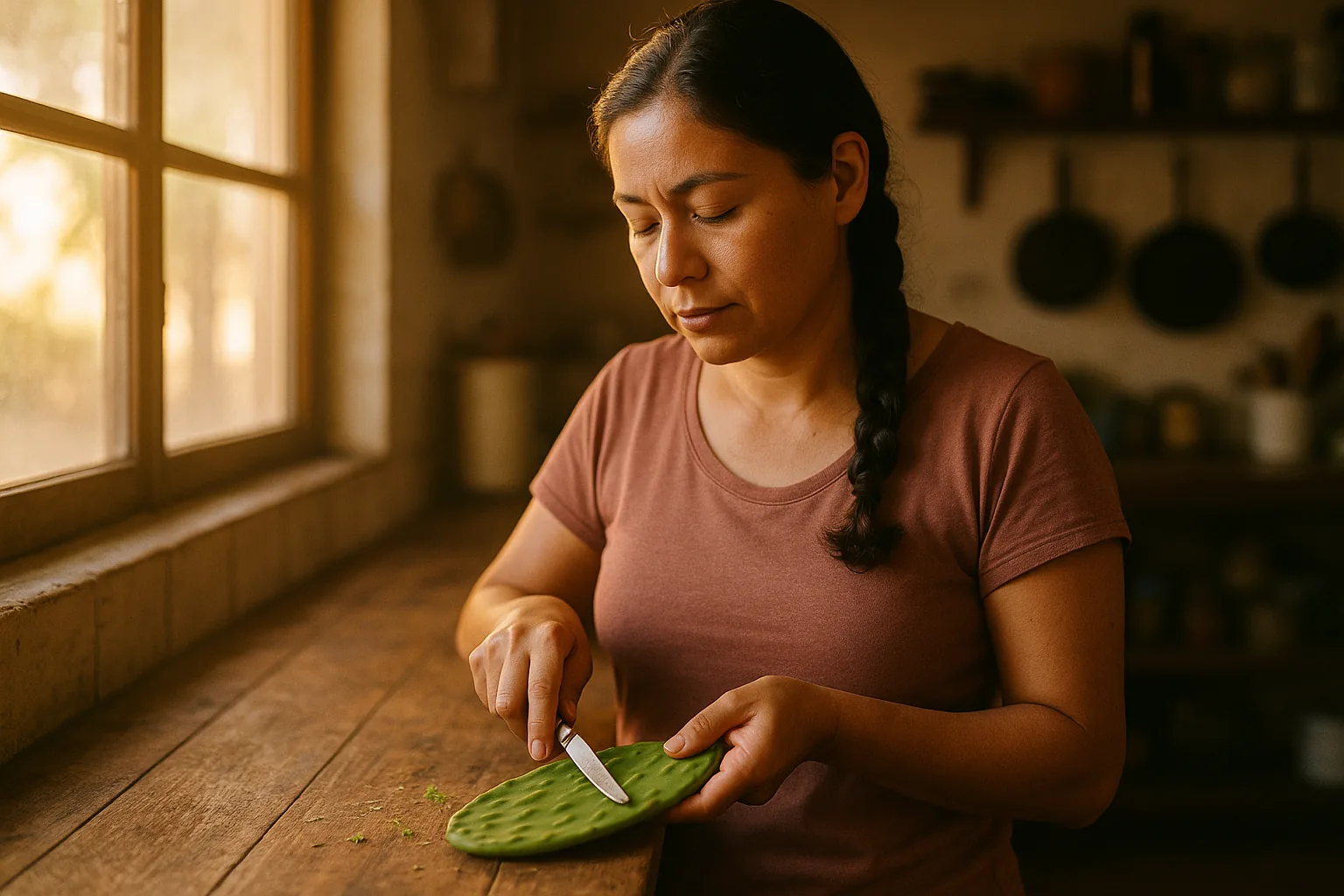
She’s scraping the spines off a paddle of nopal with the back of a butter knife, working quickly, the way her mother taught her. The pale green flesh underneath is slick, slightly sticky. She’ll dice it, cook it down with onion and jalapeño, and serve it alongside scrambled eggs and refried beans before anyone else in the house wakes up. She doesn’t think of it as a superfood. She thinks of it as Tuesday.
But somewhere between her kitchen counter and a wellness brand’s Instagram grid, nopal became something else entirely. Capsules. Powders. Smoothie boosters stamped with claims about blood sugar control, gut restoration, and metabolic acceleration. The cactus pad that sat quietly in the produce aisle of every Mexican grocery store for decades is now starring in supplement marketing aimed at people who’ve never held one in their hands.
There’s real science here. There’s also a lot of noise. And the distance between the two matters, especially if you’re managing type 2 diabetes or taking medication that already lowers your glucose.
How Nopal Affects Blood Sugar After a Meal
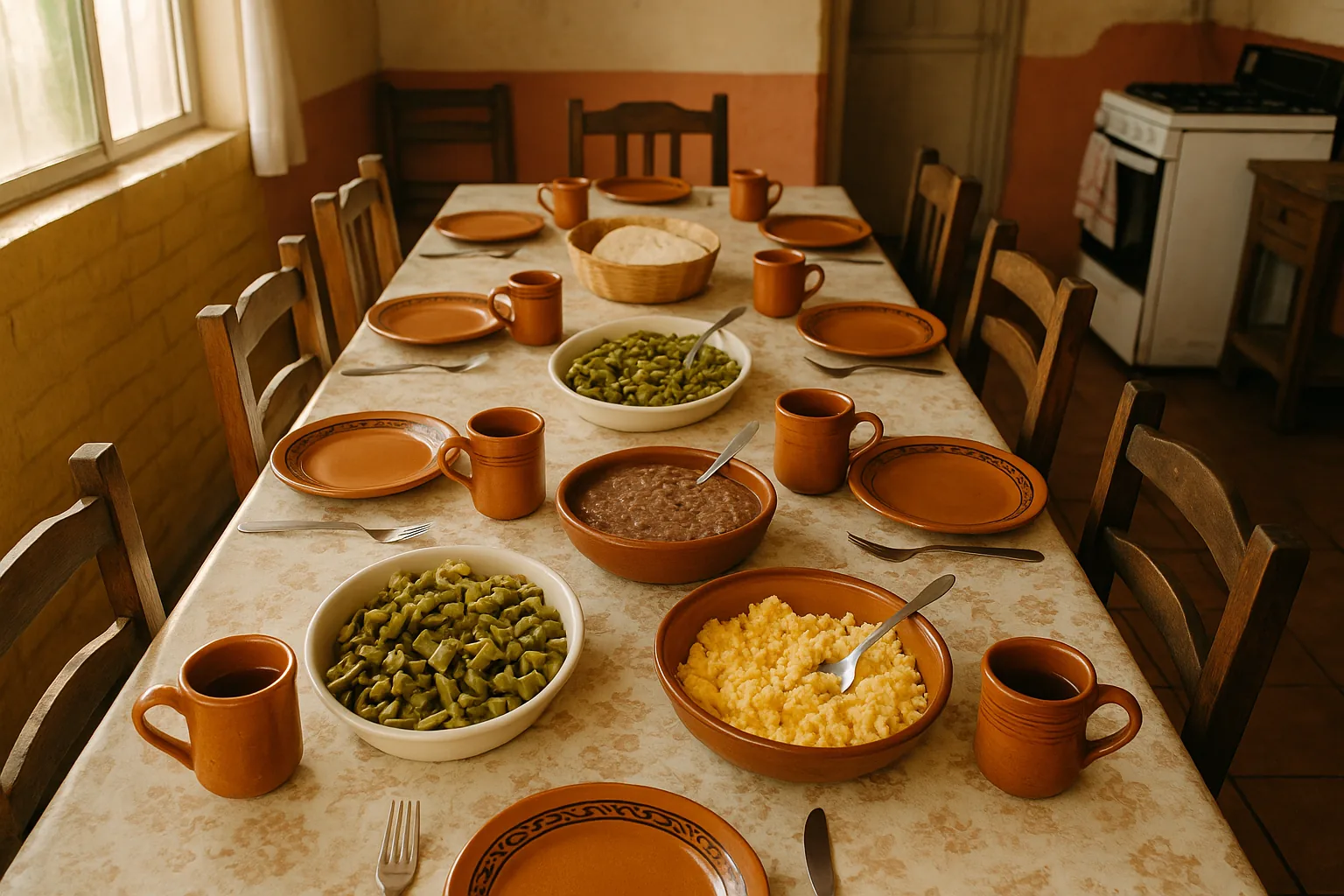
The most consistent finding in human research on nopal cladodes, the flat green pads of the Opuntia ficus-indica cactus, is a modest reduction in blood sugar after eating. Not a cure. Not a reversal of diabetes. A blunting of the postprandial glucose spike, meaning the surge in blood sugar that follows a carbohydrate-heavy meal.
One of the most cited trials, conducted in Mexico, gave cooked nopal pads to patients with non-insulin-dependent diabetes mellitus (NIDDM) alongside a high-carbohydrate breakfast. Researchers measured serum glucose and serum insulin at intervals up to 180 minutes. The result: nopal significantly reduced both glucose and insulin levels compared to control meals without nopal. Notably, healthy volunteers eating the same test meal did not show the same magnitude of effect, suggesting the mechanism may be more relevant when glucose regulation is already impaired.
Later systematic reviews of human trials confirmed this pattern. When researchers pooled results across multiple studies, they found that consuming cladodes with a meal could reduce postprandial glucose. The effect appeared more reproducible with cooked pads or cladode powder taken alongside food than with prickly pear fruit or juice.
The likely mechanism involves the cladode’s high content of soluble and insoluble fiber, along with a viscous mucilage, the slippery gel-like substance released when you cook nopales. This mucilage can slow gastric emptying, which in turn slows the rate at which glucose from digested carbohydrates enters the bloodstream. Think of it as a physical drag on absorption, not a pharmaceutical intervention. The fiber also provides bulk that can delay enzymatic breakdown of starches in the upper gastrointestinal tract.
Some researchers have also investigated specific compounds in the cladode, including polysaccharides and phenolic acids like isorhamnetin glycosides, for potential effects on glucose transporters or alpha-glucosidase activity. These mechanisms are plausible and have shown effects in cell and animal models, but they haven’t been isolated and confirmed as primary drivers in human subjects at realistic dietary doses. The fiber-and-mucilage story remains the best-supported explanation.
Why the “Nopal Cures Diabetes” Claim Falls Apart
This is where the conversation gets uncomfortable, because the nuance matters and nuance doesn’t fit on a supplement label.
The human evidence supports a narrow, conditional statement: eating cooked nopal pads or taking cladode powder with a carbohydrate-rich meal may modestly reduce the glucose spike that follows. That’s meaningful. It’s not the same as saying nopal controls diabetes.
For that stronger claim, you’d need evidence of sustained improvements in HbA1c, the marker that reflects average blood glucose over roughly three months. You’d need trials showing improved insulin sensitivity or reduced need for medication over time. That evidence is limited. Clinical summaries and review papers consistently note that the data for long-term glycemic control from nopal consumption is thin, heterogeneous, and not sufficient to recommend it as a diabetes management strategy on its own.
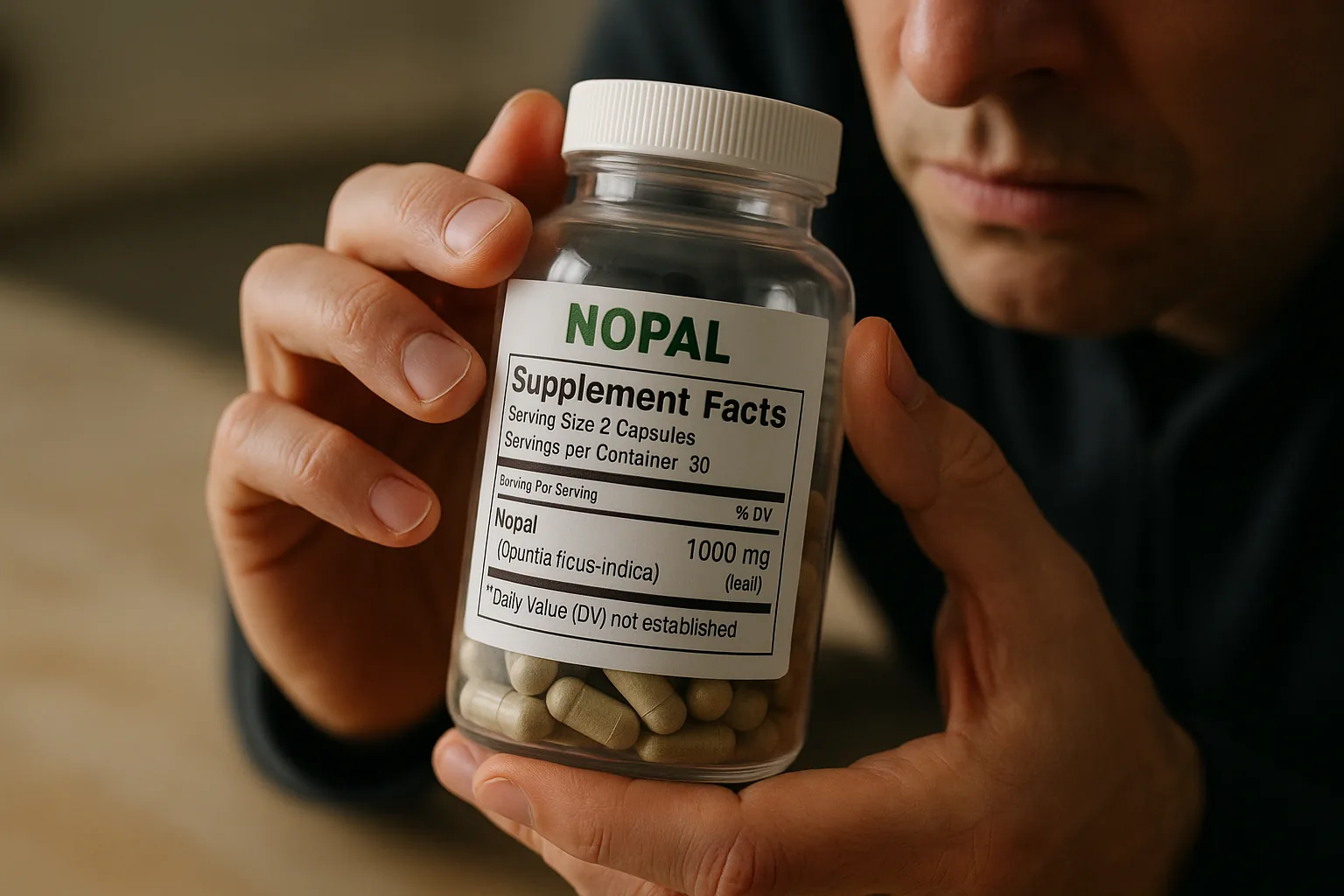
There’s also a dose problem. Older studies that tested nopal in capsule form, a more convenient delivery system than cooking and eating the pads, found no acute hypoglycemic effect. The researchers concluded that the amount of active fiber and mucilage you could pack into a capsule was simply too small to replicate what you’d get from eating a plate of cooked nopales. You’d need an impractical number of capsules to match the fiber load of a real serving. This is a critical finding that most supplement brands skip right past.
Dr. María Fernanda Bello, an endocrinologist in Houston who sees a predominantly Latino patient population, puts it bluntly. “I never tell patients to stop eating nopales. It’s a wonderful food. High fiber, low calorie, culturally familiar. But I also can’t tell them it replaces metformin. When someone comes in with an A1c of 9 and says they’re taking nopal capsules instead of their medication, that’s dangerous.”
This is the honest gap. The food is genuinely useful as part of a meal pattern designed to moderate glucose responses. The supplement version of the same food is under-dosed and under-proven. And the marketing language around both, “controls blood sugar,” “natural diabetes solution,” often overstates what trials have actually demonstrated.
Nopal and Gut Health: Fiber Isn’t the Whole Story
The gut health conversation around nopal leans heavily on two things: the cladode’s fiber content and its traditional role as a food. Both are real. Neither constitutes clinical evidence for the specific gut-health claims being made.
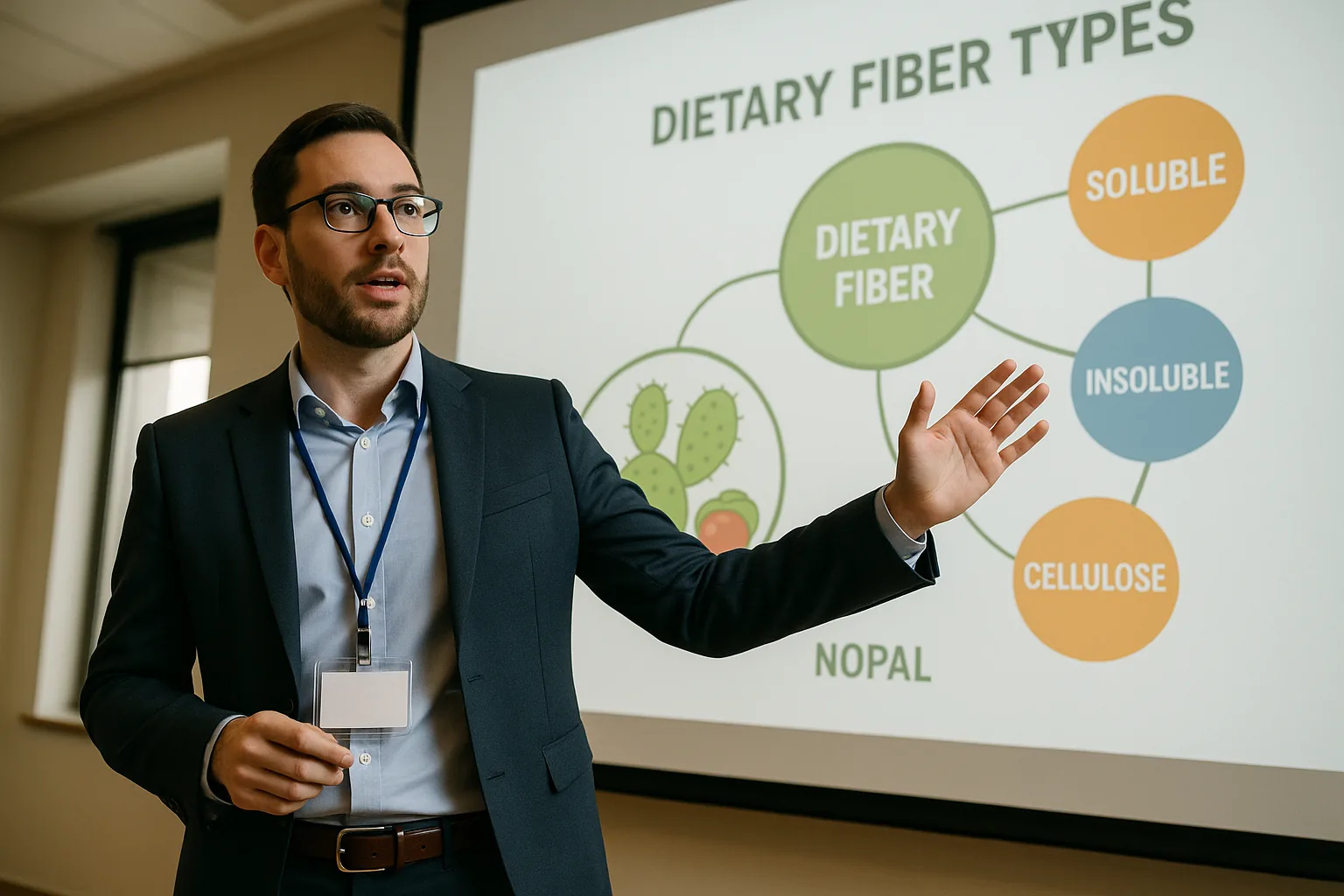
A 100-gram serving of cooked nopal provides roughly 3.6 grams of dietary fiber, a mix of cellulose, hemicellulose, pectin, and that distinctive mucilage. For context, the daily fiber recommendation for adults is 25 to 38 grams, depending on age and sex. Most Americans fall well short of that. Most Latinos in the U.S. do too, despite what population stereotypes might suggest. Adding nopales to meals increases fiber intake. More fiber generally means better bowel regularity, more substrate for colonic fermentation by gut microbiota, and the production of short-chain fatty acids like butyrate, which support the intestinal lining.
But here’s where the claims outrun the data. When supplement brands or wellness influencers say nopal “resets your gut” or “supports your microbiome,” they’re extrapolating from general fiber biology, not from clinical trials specifically testing nopal’s effect on gut microbial composition, intestinal permeability, or markers of GI inflammation.
There are a handful of animal studies showing that Opuntia-derived polysaccharides can modulate gut microbiota profiles, increasing Lactobacillus or Bifidobacterium populations in rodent models. These are interesting. They aren’t proof that eating nopales or taking a nopal supplement will produce the same changes in a human gut, which is a vastly more complex and variable ecosystem.
The mucilage itself does something worth noting in traditional food preparation. When nopales are cooked, the “baba,” that viscous liquid many people rinse off, contains water-soluble polysaccharides that can coat the intestinal lumen temporarily. Some researchers have hypothesized this creates a physical barrier that slows nutrient absorption, which connects back to the glucose-blunting effect. But no controlled human trials have measured nopal mucilage’s specific impact on intestinal transit time, microbial diversity indices, or markers like fecal calprotectin.
If you want to eat nopales for gut-related reasons, the most defensible rationale is this: they’re a high-fiber, low-calorie food that adds diversity to your plant intake. The American Gut Project and related research have consistently shown that people who eat 30 or more distinct plant foods per week tend to have more diverse gut microbial communities. Nopales are one more plant on that list. That’s less exciting than “ancient superfood repairs your gut.” It’s also more honest.
The Weight Loss Claim Is the Weakest of All

This is where the hype peaks and the evidence is thinnest. If you’ve seen nopal marketed as a “metabolism booster” or a “fat burner” or a “natural weight loss aid,” you’ve seen claims that have almost no support from human trials.
A systematic review examining anti-obesity effects of Opuntia species found only a small number of clinical studies, and those studies reported no or only weak positive effects on body weight, BMI, or waist circumference. The researchers were clear: the evidence base is insufficient to support nopal as a weight loss intervention.
The confusion often stems from conflating fiber’s general effects on satiety with specific weight loss outcomes. Yes, eating high-fiber foods can increase the feeling of fullness after a meal. Yes, a meal that includes nopales may be lower in total calories than one built around denser starches. But there’s a long distance between “this food fits into a calorie-conscious meal pattern” and “this food causes weight loss.”
Some supplement formulations use Opuntia ficus-indica fruit extract, not the cladode, and claim it blocks fat absorption. The proposed mechanism involves the fruit’s fiber binding to dietary fat in the stomach, reducing the amount of fat that gets absorbed in the small intestine. A couple of small studies tested a branded prickly pear fruit fiber product and reported modest increases in fecal fat excretion. But the clinical significance, actual pounds lost, changes in body composition, was minimal or not statistically significant. And these studies were often funded by the supplement manufacturer, which introduces obvious bias.
There is no strong evidence that nopal in any form, cooked pads, cladode powder, fruit extract capsules, produces clinically meaningful weight loss in humans. If someone is selling you a nopal product primarily for weight management, that claim is running ahead of the science by a wide margin.
The Safety Question Nobody Mentions in the Marketing
Because nopal can lower post-meal blood glucose, it raises a straightforward concern for anyone already taking diabetes medications. Metformin, sulfonylureas like glipizide, and insulin all work to lower blood sugar through their own mechanisms. Adding a food or supplement with glucose-lowering effects on top of those medications creates the possibility of additive hypoglycemia, blood sugar dropping too low.
This risk is probably modest with a normal food serving of cooked nopales eaten at a meal. The glucose-lowering effect seen in trials is not dramatic; it’s a blunting of the spike, not a freefall. But the risk profile changes with high-dose cladode powder supplements or concentrated extracts. If someone takes several grams of nopal powder alongside their morning metformin and a relatively low-carb breakfast, the combined effect could push glucose lower than intended.
No large safety trial has specifically quantified this risk, which is itself a gap in the evidence. The general clinical guidance, as summarized in pharmacognosy and clinical herb-drug interaction references, is that people on glucose-lowering medications should be aware of potential additive effects and monitor their blood sugar more closely if they add significant amounts of nopal to their routine.
There’s also a GI tolerability issue. Nopal’s fiber and mucilage, especially in concentrated supplement form, can cause bloating, diarrhea, or nausea in some people, particularly at the start. These effects tend to be dose-dependent and self-limiting, but they’re rarely mentioned in product marketing.
Traditional Practice Versus Supplement Marketing
There’s a meaningful distinction between how nopales have been eaten for centuries across Mexico and Central America and how they’re being sold now.
In traditional practice, nopales are a staple food. They’re cooked with eggs for breakfast, added to soups and stews, grilled alongside meat, pickled with onion and chili. They’re part of a meal pattern that also includes beans, corn, squash, chili peppers, and other whole foods. Nobody’s grandmother was eating nopales as a diabetes supplement. She was eating them because they grew in the yard, they were cheap, they tasted good with salsa verde, and they were part of how meals had been built for generations.
That food pattern, incidentally, may have beneficial metabolic effects as a whole. A traditional Mexican diet tends to be high in fiber, moderate in fat, and rich in legumes and vegetables. Teasing out nopal’s individual contribution to metabolic health from the rest of that dietary context is nearly impossible, which is another reason why single-ingredient supplement claims based on nopal are suspect.
The supplement industry took something that works as part of a dietary pattern and tried to isolate it, concentrate it, put it in a capsule, and sell it as a solution to a specific disease. That translation usually fails. It’s failing here. The capsule studies show no meaningful effect. The food-based studies show a modest, short-term glucose effect. The marketing claims jump straight to “manages diabetes” and “burns fat.”
Respecting the tradition means not pretending it’s something it wasn’t. Nopales were food. Good food. Food that happens to have some interesting metabolic properties when eaten in realistic amounts as part of a real meal. That’s worth appreciating without inflating it into a cure.
One Thing to Do, One Thing to Ask About
If you already eat nopales or grew up with them, keep eating them. The most evidence-supported way to get any glucose-related benefit is to eat cooked cladode pads, not capsules, alongside a carbohydrate-containing meal. A reasonable serving is about one to two medium pads, roughly 150 to 300 grams raw weight, diced and cooked. You don’t need to buy a supplement to get something you can get from the produce section of a grocery store for about $2 a pound.
If you’re managing type 2 diabetes and you want to incorporate nopales more deliberately into your eating pattern, the thing to ask your doctor about is this: “Given my current medications, should I adjust my glucose monitoring on days I eat nopales as a significant part of a meal?” It’s a practical question. It acknowledges the real, if modest, glucose-lowering effect without overstating it. And it keeps the conversation inside the clinical relationship where it belongs, rather than outsourcing it to a supplement label.
Skip the nopal weight loss capsules. Skip the “metabolism booster” powders. Skip any product that promises gut restoration from a single cactus-derived ingredient. The evidence isn’t there. What is there is a food that’s been quietly useful for a long time, and doesn’t need a rebrand to stay that way.