That Tejocote Root Might Not Be Tejocote at All
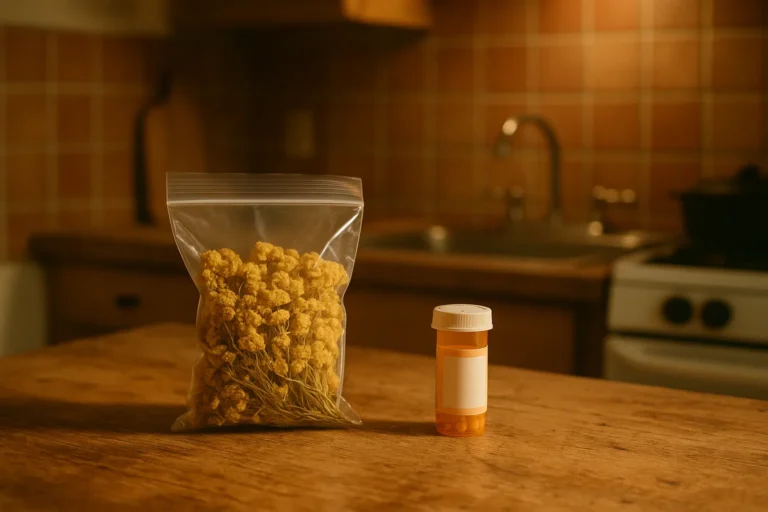
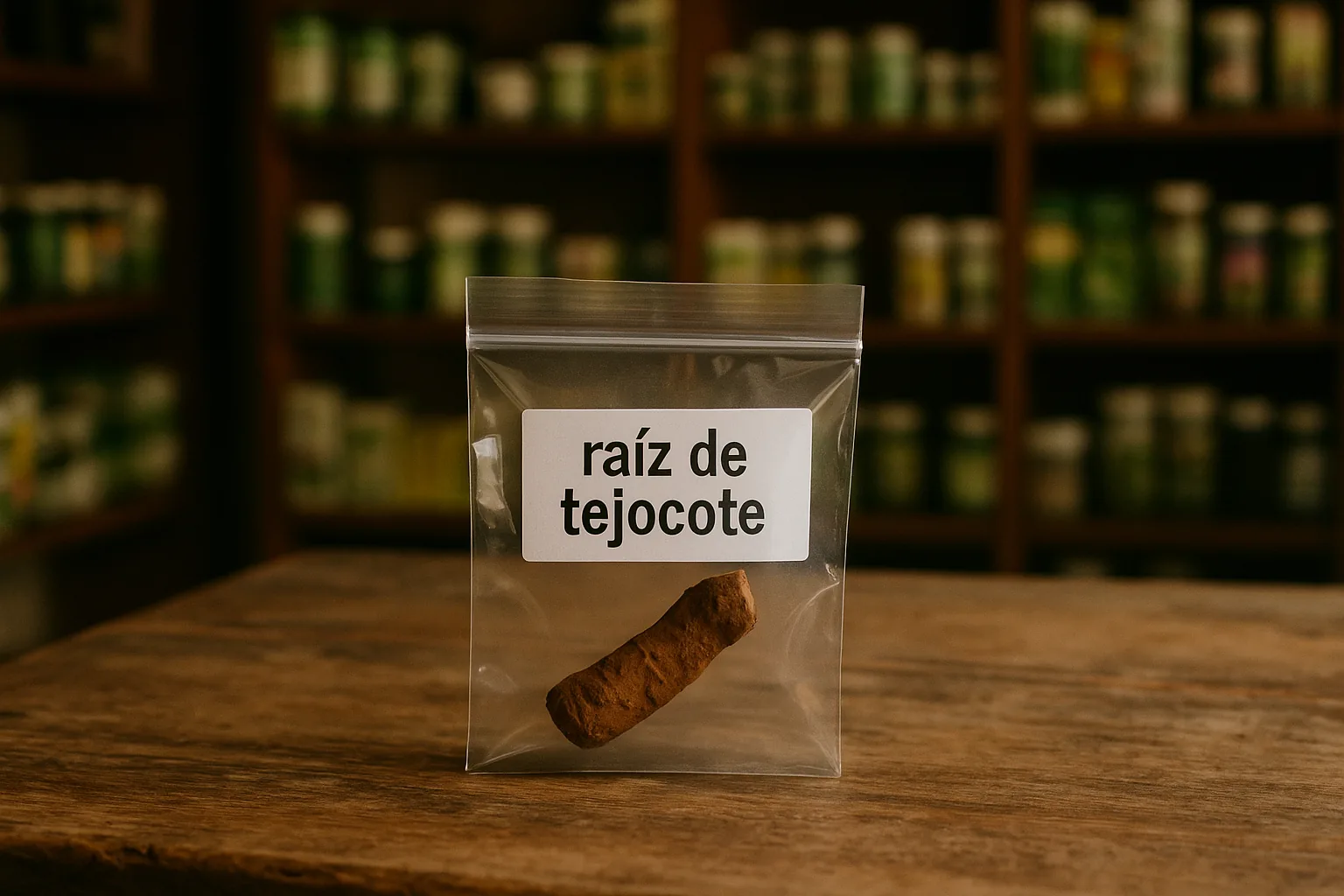
A small brown root, vacuum-sealed in a clear pouch. The label says *raíz de tejocote*, and it promises to help with weight loss, inflammation, maybe cholesterol. You can find it at the botanica, at the swap meet, on Instagram, in the supplement aisle of a Mexican grocery store in any city with a significant Latino population. It looks like something your tía might have mentioned. It looks harmless.
In 2022, the FDA issued a warning that several products marketed as tejocote root were actually *Thevetia peruviana*, commonly known as yellow oleander. Yellow oleander contains cardiac glycosides, compounds structurally similar to digoxin, a prescription heart medication with a notoriously narrow therapeutic window. Ingesting yellow oleander doesn’t gently nudge your metabolism. It can cause vomiting, dangerous cardiac arrhythmias, hyperkalemia, and death. Poison control centers across the country logged cases. Some involved children.
This isn’t a story about traditional remedies being dangerous. It’s a story about what happens between the field where a plant grows and the moment you swallow it. That space, the supply chain, is where the real risk lives. And for Latino consumers who trust herbal supplement products imported from Latin America or assembled in loosely regulated facilities, that space is far less supervised than most people assume.
Why Imported Herbal Products Carry Hidden Contamination
The structural problem is straightforward: dietary supplements in the United States don’t require premarket approval. The Dietary Supplement Health and Education Act of 1994, known as DSHEA, shifted the burden of proof. The FDA doesn’t have to clear a supplement before it hits shelves. Instead, the agency can act only after a product is already on the market and shown to be unsafe or mislabeled. For domestic manufacturers following current Good Manufacturing Practices (cGMPs), there are at least baseline controls: identity testing of raw ingredients, contamination limits, label accuracy requirements. But enforcement is uneven, and for products imported through informal channels, those controls often don’t apply at all.
A systematic review published in the *International Journal of Environmental Research and Public Health* examined contamination in herbal medicines globally and found that the most common issues fell into two categories: biological contamination (bacteria, fungi, mycotoxins) and chemical contamination (heavy metals, pesticide residues, residual solvents). The review emphasized that contamination risk correlated strongly with sourcing, drying conditions, storage, and whether any quality testing occurred before products reached consumers. The conclusion wasn’t that herbs are inherently dangerous. It was that the absence of standardized testing leaves a gap wide enough for genuinely harmful products to pass through undetected.
For products marketed specifically to Latino communities, this gap has particular texture. Many of these products travel through supply chains that bypass major U.S. distributors. They arrive in small batches, labeled in Spanish, sold through botanicas, tiendas, flea markets, or direct-to-consumer social media sales. The products themselves may be perfectly safe. Or they may contain lead at levels that would never pass a pharmaceutical inspection. The consumer has almost no way to tell.
Heavy Metals in Herbal Teas and Powders: The Lead Problem
Lead is the most persistently documented contaminant in imported herbal and natural health products. It gets into botanicals through contaminated soil, irrigation water, or post-harvest processing, including grinding in equipment that contains lead-based components. Once it’s in the dried plant material, it stays.
A CDC study examining spices, herbal remedies, and ceremonial powders collected from homes of children with elevated blood lead levels in North Carolina found that 28.8 percent of the samples contained at least 1 mg/kg of lead. Some of those products were labeled as traditional remedies. Others were cooking spices. The study didn’t distinguish between cultures; the homes included families from multiple immigrant communities. But the finding was clear: products marketed as natural and traditional, sold informally and without rigorous testing, carried measurable contamination at rates that should concern anyone relying on them regularly.
Lead’s mechanism of harm is well understood. It inhibits delta-aminolevulinic acid dehydratase (ALAD), an enzyme essential for heme synthesis. It disrupts calcium signaling in neurons, crosses the blood-brain barrier, and accumulates in bone, where it can be released back into the bloodstream during pregnancy, lactation, or osteoporosis. There is no established safe blood lead level in children. In adults, chronic low-level exposure is associated with hypertension, kidney damage, and cognitive decline. The half-life of lead in bone is measured in decades.
Beyond lead, testing studies have found arsenic, mercury, cadmium, and aluminum in imported herbal products. Arsenic and cadmium are both classified as Group 1 carcinogens by the International Agency for Research on Cancer. Mercury, particularly in its organic methylmercury form, is a potent neurotoxin. These metals don’t announce themselves with taste or smell. A contaminated tea tastes exactly like a clean one.
When “Natural” Capsules Contain Prescription Drugs
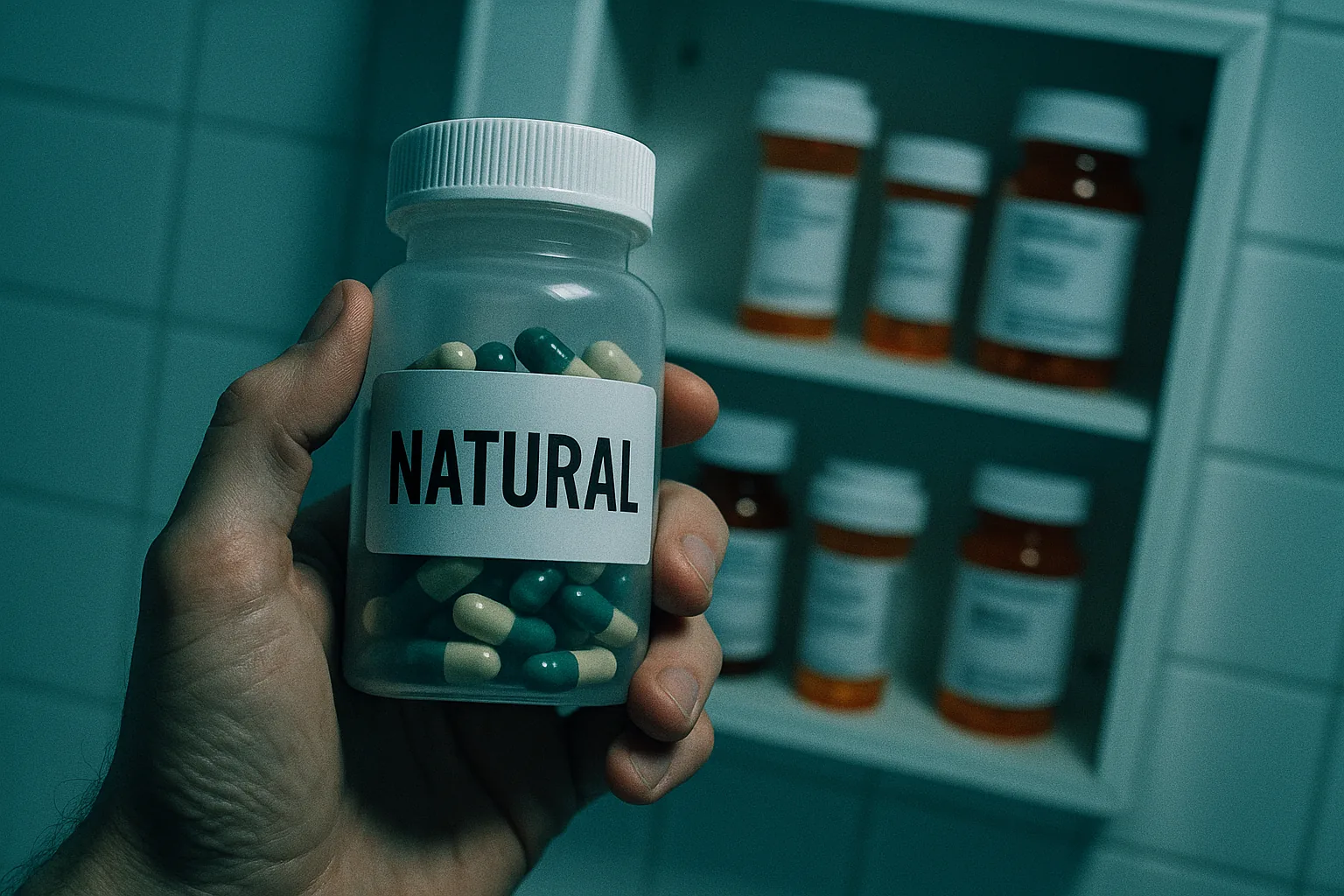
The contamination story has a second, stranger chapter. Some imported supplements marketed to Latino consumers don’t just carry environmental contaminants. They contain undeclared active pharmaceutical ingredients, full-strength prescription drugs or their analogues hidden behind a label that says “100% natural.”
The FDA maintains a running tally of tainted supplements, and the pattern is consistent. Products marketed for weight loss have been found to contain sibutramine (an appetite suppressant withdrawn from the U.S. market in 2010 due to cardiovascular risk), phenolphthalein (a laxative flagged as a potential carcinogen), or fluoxetine (a prescription antidepressant). Products marketed for sexual enhancement have contained sildenafil or tadalafil, the active ingredients in Viagra and Cialis, at doses comparable to prescription strength. Products marketed for muscle building have contained synthetic anabolic steroids.
These aren’t trace contaminations. They’re deliberate additions designed to make the product “work” so the consumer buys it again. The manufacturer gets the marketing advantage of a natural label and the pharmacological punch of a prescription drug, with none of the safety monitoring, dosing guidance, or drug interaction warnings that would accompany a legitimate pharmaceutical.
For a consumer taking blood pressure medication, unknowingly ingesting sildenafil through a “natural” supplement can cause a dangerous hypotensive episode. For someone on an SSRI, hidden fluoxetine means an uncontrolled increase in serotonin levels, raising the risk of serotonin syndrome, a potentially fatal condition. The consumer doesn’t know to mention the supplement to their doctor because, as far as they know, it’s just herbs.
The Tejocote Root Crisis and Botanical Misidentification
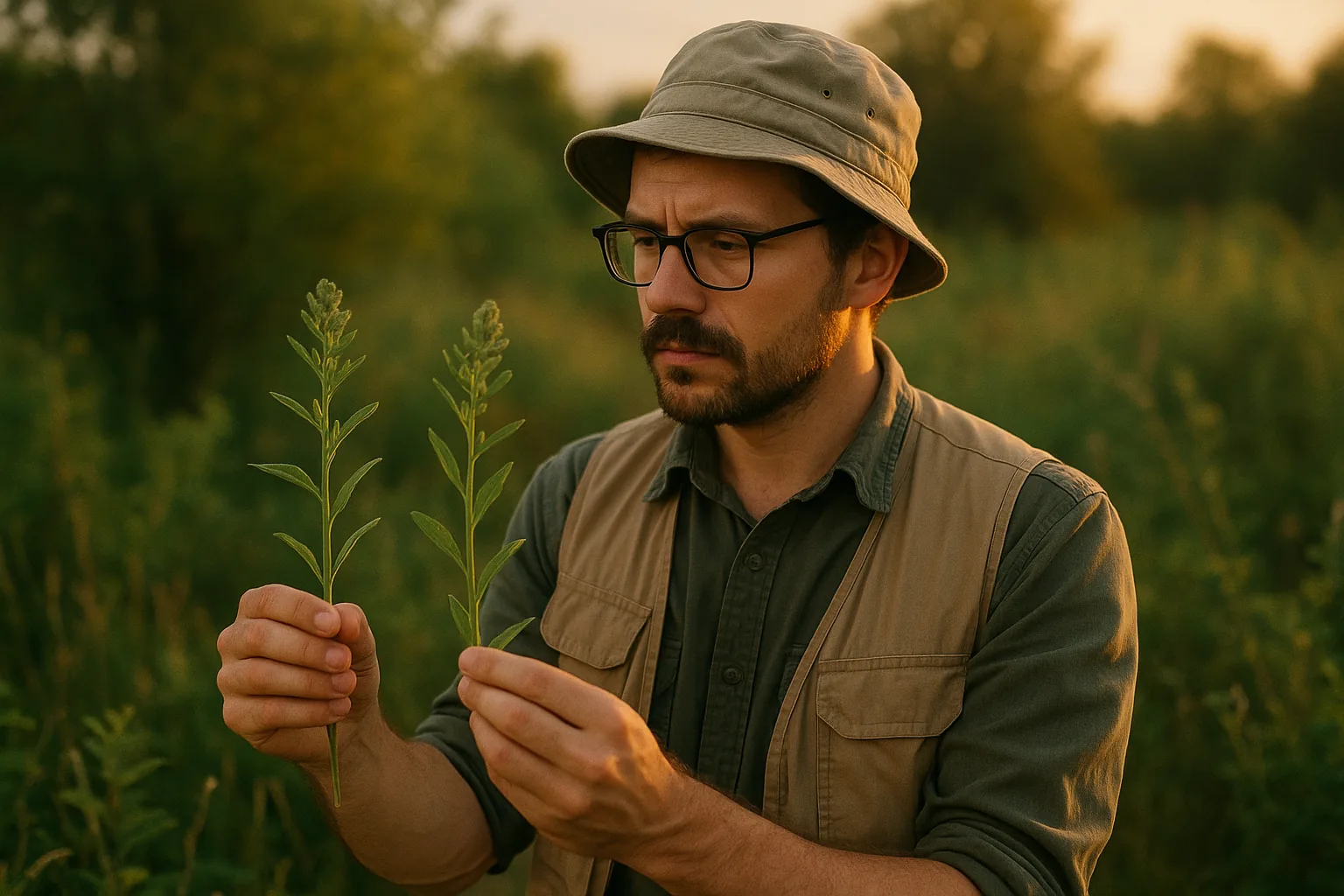
The tejocote case deserves its own section because it illustrates a problem that’s distinct from both environmental contamination and deliberate pharmaceutical adulteration. This is botanical misidentification, sometimes accidental, sometimes not.
True tejocote, *Crataegus mexicana*, is a hawthorn species native to Mexico. It has a long history of culinary and medicinal use. The fruit is eaten in punches, candies, and traditional preparations. Some preliminary research suggests hawthorn species may have mild cardiovascular benefits, though the evidence is far from definitive for tejocote specifically.
Yellow oleander, *Thevetia peruviana*, is a different plant entirely. It belongs to the Apocynaceae family. Every part of it is toxic. The seeds contain thevetin A and thevetin B, cardiac glycosides that inhibit the sodium-potassium ATPase pump in cardiac muscle cells. This is the same mechanism by which digoxin works, but without the precise dosing that makes digoxin a medicine instead of a poison. In Sri Lanka, where yellow oleander is common, self-poisoning with its seeds is a well-documented cause of cardiac death.
The FDA identified multiple brands of “raíz de tejocote” that actually contained yellow oleander. Some were sold online. Some were sold in stores. Poison control centers reported cases of toxicity, including in children whose parents had given them the product. The roots look similar enough that a consumer, and apparently some sellers, couldn’t tell the difference.
This is where the cultural conversation gets delicate. The tradition itself isn’t the problem. Generations of Mexican families have eaten tejocote fruit without incident. The problem is that a product claiming to be tejocote, entering the U.S. through informal import channels without identity testing, turned out to be something lethally different. Respecting tradition means insisting that the product actually is what it claims to be.
Microbial and Fungal Contamination: The Risks You Can’t See
Heavy metals and hidden drugs get the headlines. But microbiological contamination is arguably the most common quality issue in imported dried herbs, teas, and powders, and the one most likely to affect a consumer on any given day.
Dried plant material, by its nature, is susceptible to microbial colonization. Bacteria such as *Salmonella*, *E. coli*, and *Bacillus cereus* have been detected in tested herbal products. Fungal contamination, particularly with *Aspergillus* species, is a concern because *Aspergillus flavus* and *Aspergillus parasiticus* produce aflatoxins, among the most potent naturally occurring carcinogens known. Aflatoxin B1, the most toxic of the group, causes liver cancer through a mechanism involving metabolic activation by cytochrome P450 enzymes to form a reactive epoxide that binds to DNA, creating mutagenic adducts.
The risk of fungal contamination rises sharply when drying, storage, and transport conditions are poorly controlled. High humidity, warm temperatures, extended storage times, and packaging that doesn’t prevent moisture reingress all favor fungal growth and mycotoxin production. For a product dried on a rooftop in a rural area, packaged in a simple plastic bag, shipped in a container that crosses temperature zones, and stored in a non-climate-controlled warehouse before reaching a shelf, the cumulative risk is real.
Systematic reviews of herbal medicine quality have consistently identified microbial load as one of the most frequently exceeded parameters when products are tested against pharmacopeial standards. The European Pharmacopoeia and the United States Pharmacopeia both set limits for total aerobic microbial count, total yeast and mold count, and specific pathogens in herbal products. Many imported products tested in research studies exceed those limits.
For the average healthy adult, a one-time exposure to elevated microbial levels in a tea might cause nothing more than mild gastrointestinal discomfort, or nothing at all. But for immunocompromised individuals, pregnant women, young children, or the elderly, the stakes are higher. And chronic exposure to low levels of aflatoxins is a cumulative cancer risk that doesn’t produce symptoms until the damage is advanced.
The Honest Gap Between Tradition and Evidence
Here’s where I want to be careful, because the instinct in stories like this is to paint all traditional remedies with one brush, and that brush usually carries condescension.
Latino herbal traditions, remedios caseros, the use of manzanilla for stomach upset, hierba buena for nausea, arnica for bruises, flor de manita for anxiety, are part of a living knowledge system. Many of these remedies have pharmacological plausibility. Chamomile contains apigenin, a flavonoid that binds to benzodiazepine receptors. Arnica contains helenalin, a sesquiterpene lactone with demonstrated anti-inflammatory activity. These aren’t magical claims. They’re starting points for understanding.
The problem isn’t the tradition. The problem is the product. When your abuela made manzanilla tea, she picked the flowers or bought them from someone she knew. She could see and smell what she was using. The chain between plant and cup was short and transparent. When a company packages an herbal product in a facility that may or may not test for heavy metals, identity, or microbial load, and that product crosses international borders through informal channels, the chain is long and opaque. The consumer is trusting a label, not a relationship.
The gap between traditional use and commercial product is a manufacturing gap, not a knowledge gap. And filling it requires not that Latino consumers abandon their traditions, but that they demand the same quality controls for their remedies that exist for any other product making health claims.
What You Can Actually Do About Supplement Safety
One thing to do: check whether any supplement you’re considering appears on the FDA’s tainted supplements database. The agency maintains a searchable list of products found to contain hidden drugs or other adulterants. It’s not comprehensive, but it’s a starting point. If you’re buying a product marketed for weight loss, sexual enhancement, or muscle building, and it promises dramatic results from a “natural” formula, skepticism is warranted.
Ask your doctor or pharmacist a specific question: “I’m taking [product name]. Can you check whether it has any known interactions or safety alerts?” This isn’t about asking permission. It’s about making sure someone with access to drug interaction databases knows what’s in your regimen. Many clinicians won’t think to ask about supplements or teas unless you bring it up.
One thing to look for when buying: third-party certification marks. USP (United States Pharmacopeia), NSF International, and ConsumerLab.com all run independent testing programs for supplements. A product bearing one of these seals has been tested for identity, purity, potency, and contaminant levels. The absence of a seal doesn’t necessarily mean a product is contaminated, but its presence means someone other than the manufacturer has verified what’s in the bottle. For products sold in botanicas or informal markets, these seals are rare, which tells you something about the level of verification that’s occurred.
One thing to skip: any product marketed as “raíz de tejocote” unless you can verify its botanical identity through a trusted source. The FDA’s warning remains active. The risk of yellow oleander adulteration is documented and serious. No weight loss benefit is worth cardiac glycoside poisoning.
One thing to ask about: if you use imported herbal teas or powders regularly, and especially if you give them to children, consider asking your pediatrician about blood lead level testing. It’s a simple blood draw. The CDC recommends testing for children in populations with known lead exposure risks, and regular use of imported herbal products qualifies. For adults, particularly those who are pregnant or planning pregnancy, the same conversation is worth having.
La Doctora’s Take: Trust the Plant, Question the Package
The uncomfortable truth is that “natural” is not a quality standard. It’s a marketing word. A product can be natural and contaminated. It can be traditional and adulterated. It can be sold with love at a botanica and still contain lead at levels that would shut down a pharmaceutical production line.
None of this means you should throw away your hierba buena. It means you should care as much about where your supplement comes from and how it was tested as you care about where your food comes from and how it was grown. Latino consumers deserve products that honor their traditions and meet modern safety standards. Those two things aren’t in conflict. They’re in partnership.
The root in the pouch might be tejocote. It might not. The only way to know is to insist on systems that verify it before it reaches your hands. That’s not distrust of tradition. That’s respect for it.