Latino Spices That Replace Salt for Heart Health
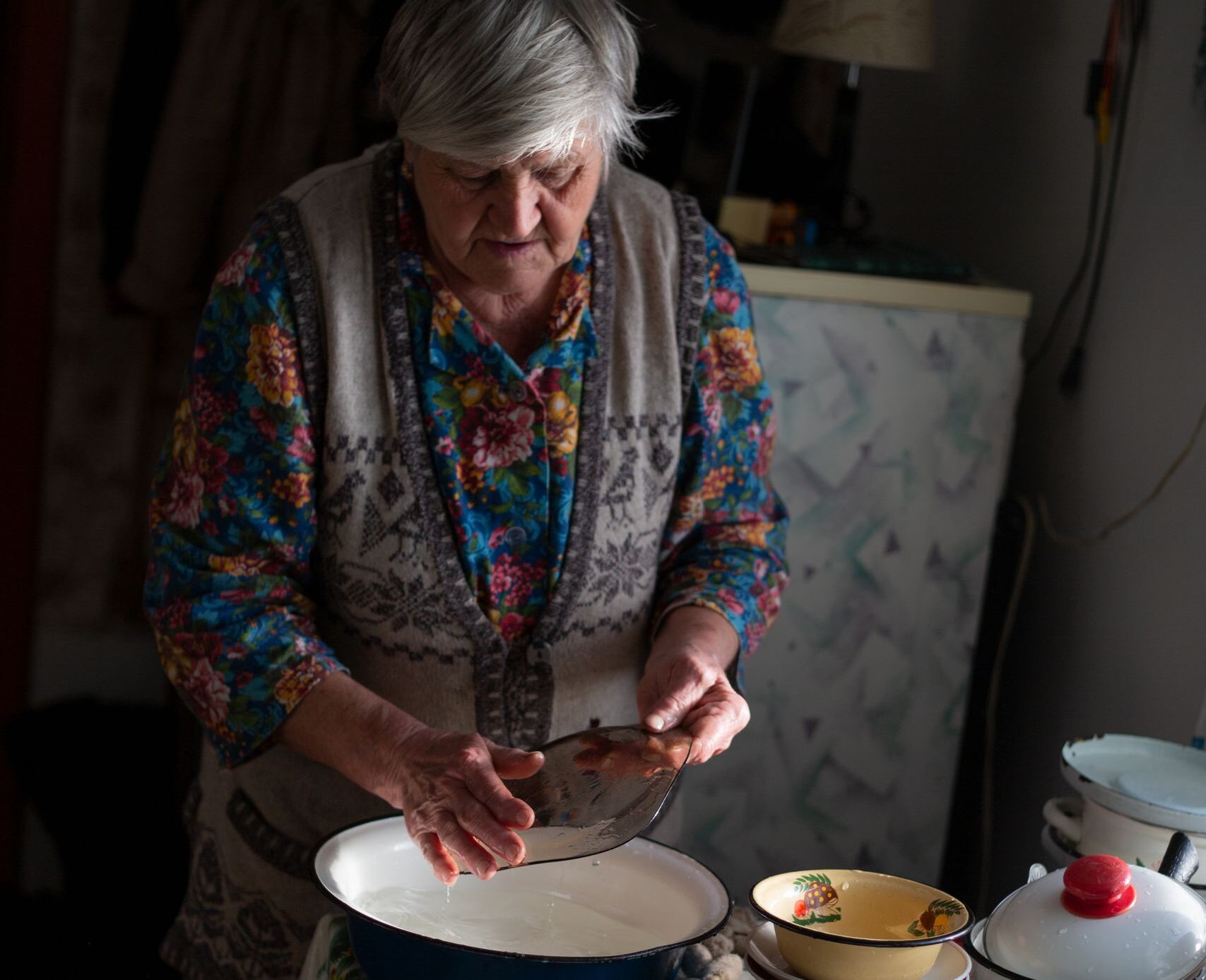
You’ve watched someone you love do it a thousand times. The hand reaches for the salt shaker before the food even hits the plate. Maybe it’s your tío. Maybe it’s you. It’s so automatic it barely registers as a choice. And meanwhile, the sofrito is right there on the stove, already loaded with garlic, onion, cilantro, and tomato, already doing the heavy lifting on flavor. Nobody ever stopped to ask whether that base alone might be enough. Whether the salt was actually necessary or just inherited muscle memory.
Here’s the thing: the 2026 dietary guidance from the American Heart Association now lists “aim for low-sodium meals and skip the extra salt” as one of its nine core lifestyle steps for cardiovascular health. That recommendation isn’t new in spirit, but the urgency behind it has sharpened. Heart disease remains the leading cause of death among Hispanic and Latino adults in the United States, and excess sodium is one of the most modifiable risk factors driving it. The average American consumes roughly 3,400 milligrams of sodium per day. The AHA recommends no more than 2,300 milligrams, and ideally closer to 1,500 milligrams for adults with high blood pressure.
The solution these guidelines point toward isn’t bland food. It’s smarter flavor. And the spices that nutritional science is now validating as salt replacements are, almost ingredient for ingredient, the same ones that have anchored Latino cooking for centuries.
Why Traditional Latino Spice Bases Already Lower Sodium
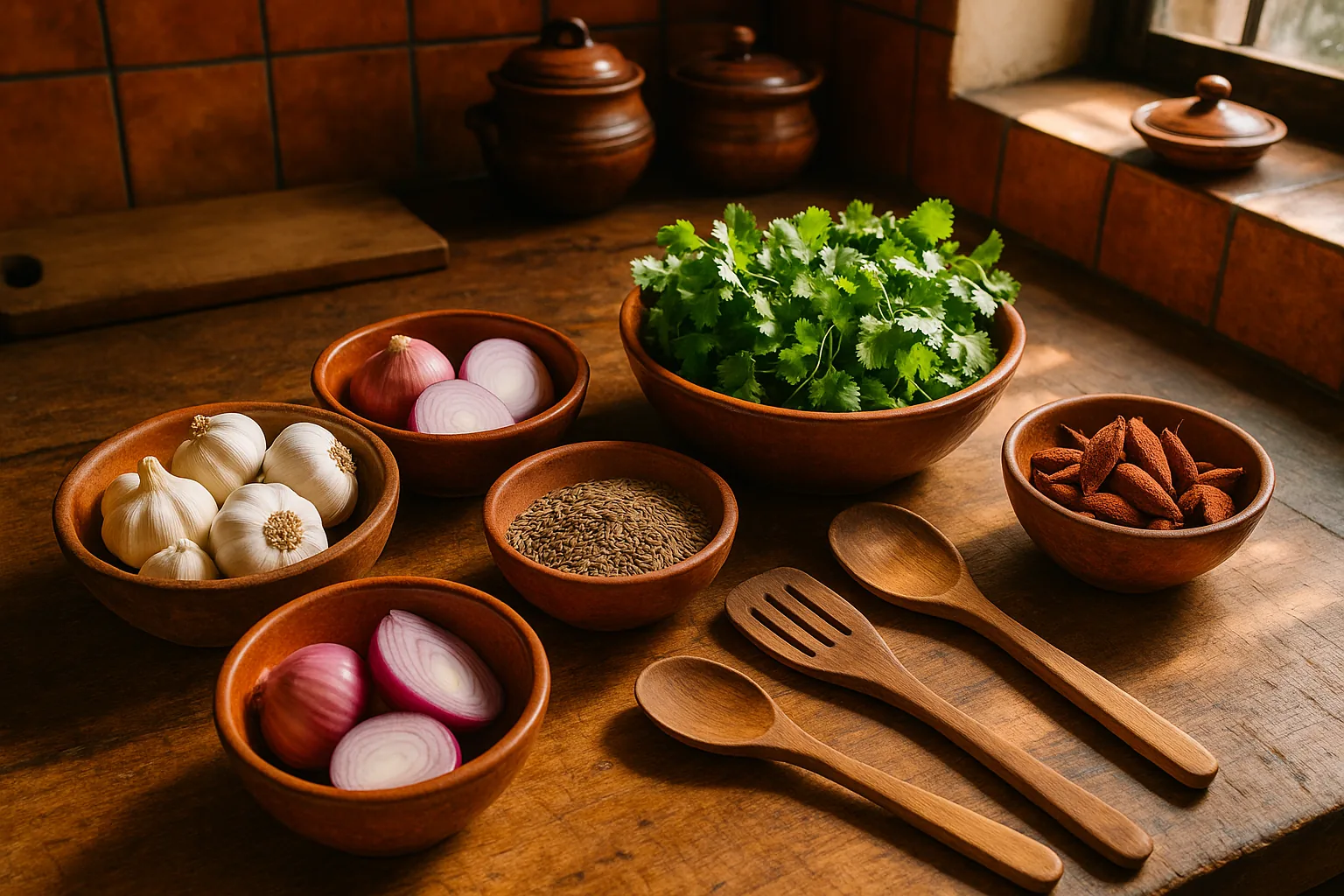
The NHLBI, the National Heart, Lung, and Blood Institute, maintains an explicit list of herbs and spices recommended as alternatives to salt. Read through it and you’ll recognize the contents of any abuela’s kitchen. Garlic for meats and sauces. Onion powder for stews and rice. Cilantro for beans, vegetables, and everything else. Cumin for poultry. Annatto seeds for rice and meats. Cinnamon for vegetables and snacks.
These aren’t obscure functional foods plucked from a supplement catalog. They’re the literal building blocks of sofrito, adobo, sazón, and recaíto. The base that defines Puerto Rican, Dominican, Cuban, and Mexican cooking is already a low-sodium flavor system. It just never needed that label before.
Consider sofrito. At its most basic, it’s a slow-cooked blend of garlic, onion, bell pepper, tomato, and cilantro (or culantro, its stronger-flavored cousin used across the Caribbean). Every component in that mix contributes volatile aromatic compounds, the molecules responsible for what your nose perceives as savory, rich, and complex. When you sauté garlic, the enzyme alliinase converts alliin into allicin, a sulfur compound that produces that sharp, warm aroma. As onions caramelize, their sugars undergo the Maillard reaction, generating hundreds of flavor compounds that register on the palate as depth and umami. Cilantro contributes aldehydes, particularly (E)-2-decenal, that brighten and lift. Together, these aromatics activate enough taste receptors and olfactory neurons that the brain perceives the dish as fully seasoned. Salt becomes optional because the sensory experience is already complete.
This isn’t speculation. A 2024 study examining salt substitution strategies in older adults found that replacing sodium with flavorful spice blends, including cinnamon and garlic, reduced cardiovascular event risk. Participants in the study didn’t report missing salt. The spice combinations provided enough complexity that many couldn’t distinguish the reduced-sodium versions from the originals. Dr. Cheryl Anderson, a researcher who has studied sodium reduction across diverse populations, has noted that cultural cooking traditions that rely on spice complexity are inherently protective, precisely because they’ve never depended on salt as a primary flavor driver.
Cinnamon’s Role Beyond Flavor: Blood Sugar and Blood Pressure
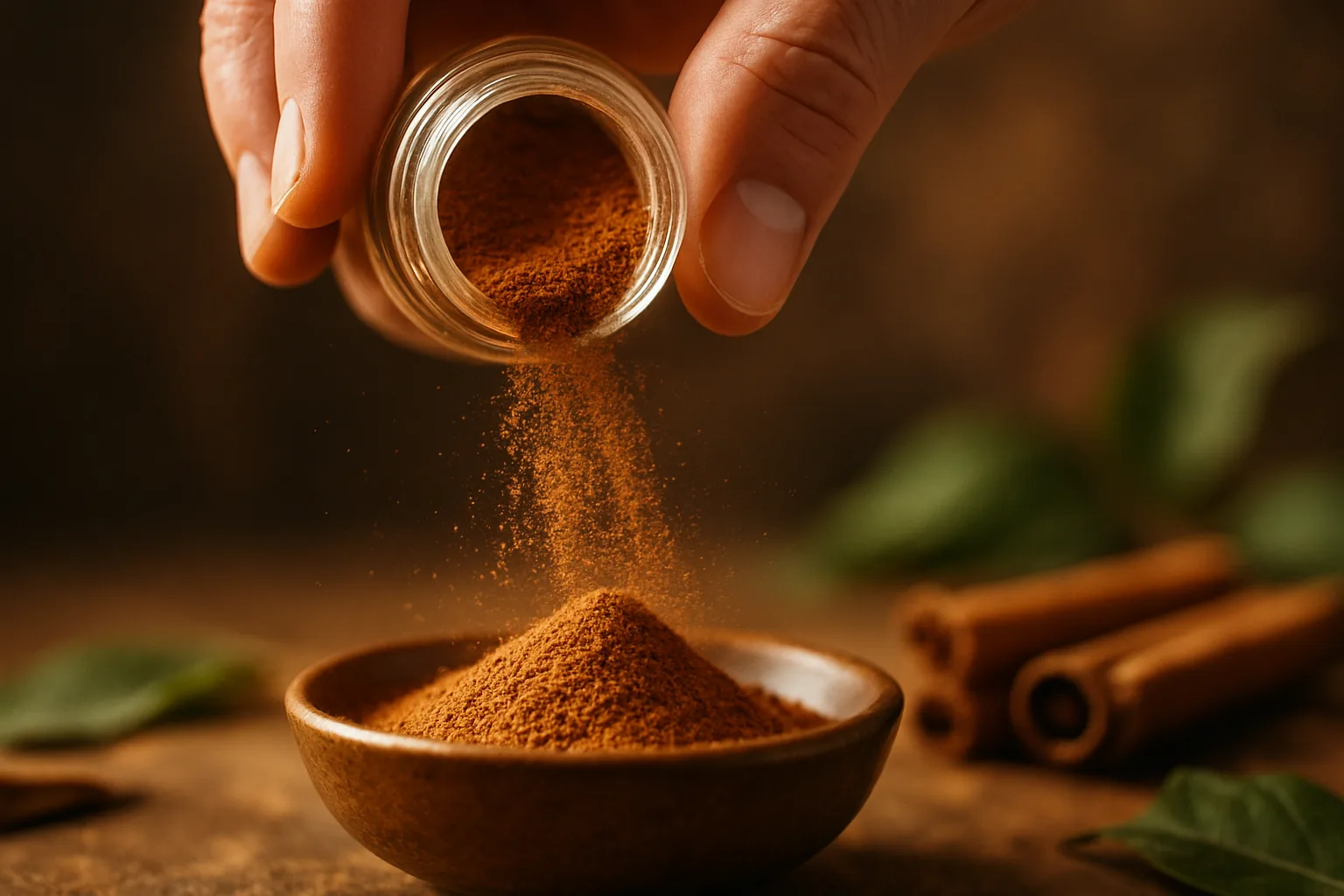
Cinnamon occupies a unique position in this conversation because it works on two fronts. It replaces salt in flavor profiles, and it appears to offer independent cardiovascular benefits through its biochemistry.
The cinnamon most commonly sold in the U.S. is Cassia cinnamon (Cinnamomum cassia), though Ceylon cinnamon (Cinnamomum verum) is also available and contains significantly less coumarin, a compound that can stress the liver in high doses. Both varieties contain cinnamaldehyde, the compound responsible for cinnamon’s characteristic warm, sweet bite. Cinnamaldehyde activates TRPA1 receptors on sensory neurons, the same receptor family triggered by mustard oil and wasabi, which is why cinnamon registers as warm and slightly pungent even though it contains no capsaicin.
But cinnamaldehyde also has metabolic effects. Multiple randomized controlled trials have shown that cinnamon supplementation at doses ranging from 1 to 6 grams per day can modestly reduce fasting blood glucose and improve insulin sensitivity. A 2019 meta-analysis published in the Journal of Clinical Nutrition found that cinnamon supplementation reduced systolic blood pressure by an average of 5.39 mmHg and diastolic pressure by 2.6 mmHg. Those numbers might sound small, but a sustained 5 mmHg drop in systolic pressure is associated with roughly a 10% reduction in cardiovascular event risk at the population level.
The mechanism appears to involve nitric oxide pathways. Cinnamaldehyde stimulates endothelial nitric oxide synthase (eNOS), increasing nitric oxide production in blood vessel walls. Nitric oxide is a vasodilator. More of it means relaxed arteries, lower resistance, and lower pressure. This is the same pathway targeted by medications like nitroglycerin, though cinnamon’s effect is far milder.
In Latino cooking, cinnamon shows up in places Americans don’t always expect. It’s in mole, where it balances the bitterness of dark chocolate and dried chiles. It’s in arroz con leche. It’s in champurrado. It’s stirred into café de olla with piloncillo and clove. The NHLBI now lists it as a recommended salt alternative for salads, vegetables, and fruit-based dishes. Adding a quarter teaspoon to roasted sweet potatoes or butternut squash, ingredients already common in Latin American cuisine, creates a perception of sweetness and warmth that makes salt genuinely unnecessary.
Cumin, Achiote, and the Savory Substitution Effect
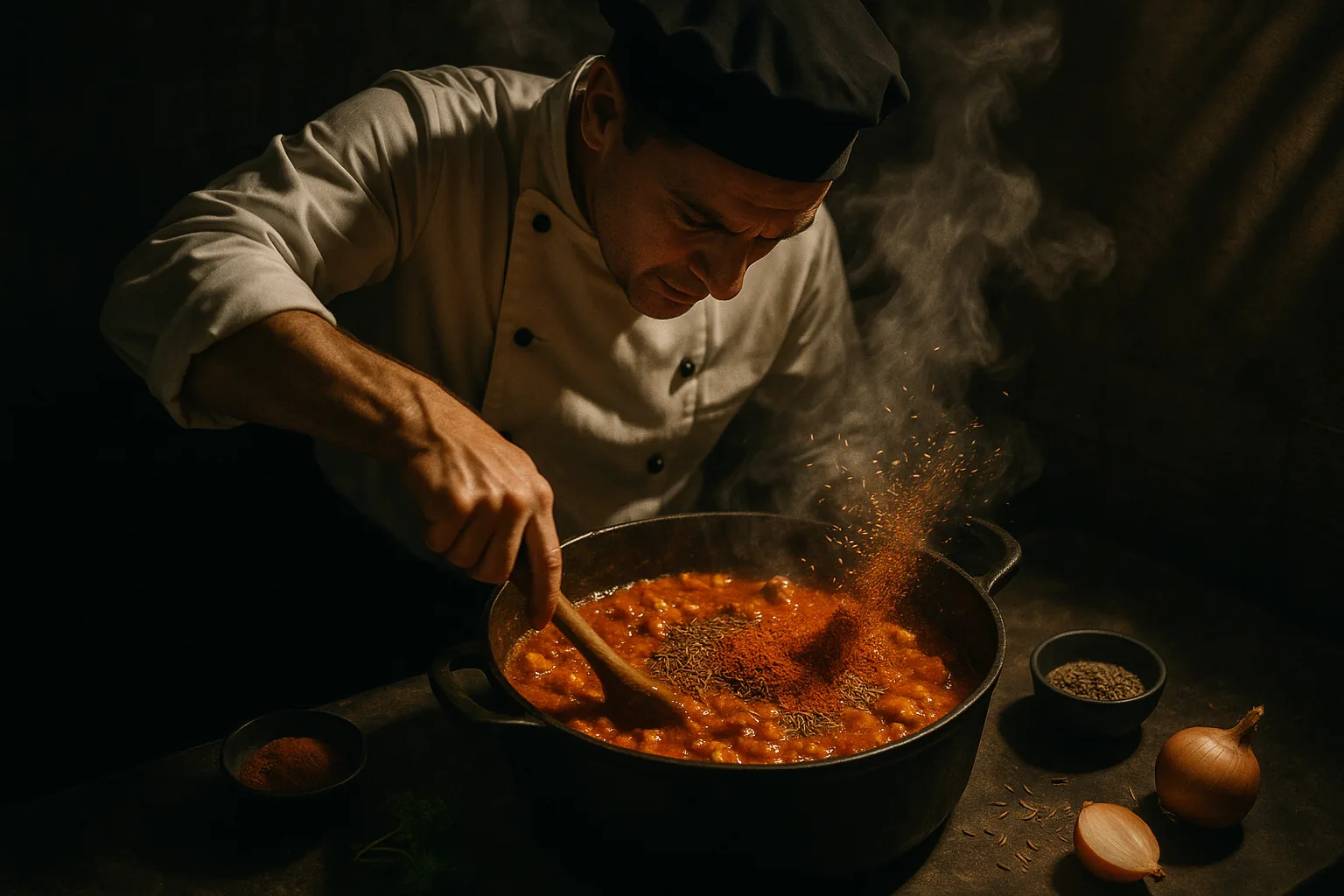
Cinnamon handles the warm and sweet end of the flavor spectrum. Cumin and achiote handle the savory.
Cumin (Cuminum cyminum) contains cuminaldehyde as its primary aroma compound, a molecule structurally similar to cinnamaldehyde but with a distinctly earthy, almost smoky profile. It’s the backbone of chili powder blends, taco seasonings, and marinades across Mexican and Tex-Mex cooking. But cumin also contains thymoquinone, a compound more commonly associated with black seed oil, which has demonstrated anti-inflammatory and antioxidant properties in cell studies. A 2015 randomized trial published in Complementary Therapies in Clinical Practice found that 3 grams of cumin powder per day for 8 weeks significantly reduced serum triglycerides and LDL cholesterol in overweight subjects compared to placebo.
Three grams of cumin is roughly one teaspoon. That’s less than what goes into a single batch of carne guisada.
Achiote, or annatto (Bixa orellana), adds another layer. The brick-red seeds contain bixin and norbixin, carotenoid compounds responsible for its deep color. These carotenoids function as antioxidants, scavenging reactive oxygen species that contribute to endothelial dysfunction, the early stage of atherosclerosis. Achiote paste, made by grinding the seeds with garlic, oregano, cumin, and citrus juice, is the base for cochinita pibil and countless Yucatecan dishes. It delivers intense color and flavor without a single milligram of sodium. The NHLBI specifically identifies annatto seeds as a salt replacement suitable for vegetables, rice, and meats.
What makes these spices effective as salt substitutes isn’t magic. It’s sensory science. Salt enhances flavor primarily by suppressing bitterness and amplifying sweetness and umami. Spices achieve a similar perceptual outcome through different pathways. They add aromatic complexity, which the brain interprets as richness. They stimulate trigeminal nerve endings (the nerve responsible for detecting temperature, texture, and irritation in the mouth), which adds dimension. And several of them, garlic and cumin in particular, contain glutamate precursors that directly activate umami receptors. The net effect is a dish that tastes full, layered, and satisfying. Salt isn’t missed because the gap it would fill is already occupied.
Where Most Sodium Actually Comes From (It’s Not the Salt Shaker)
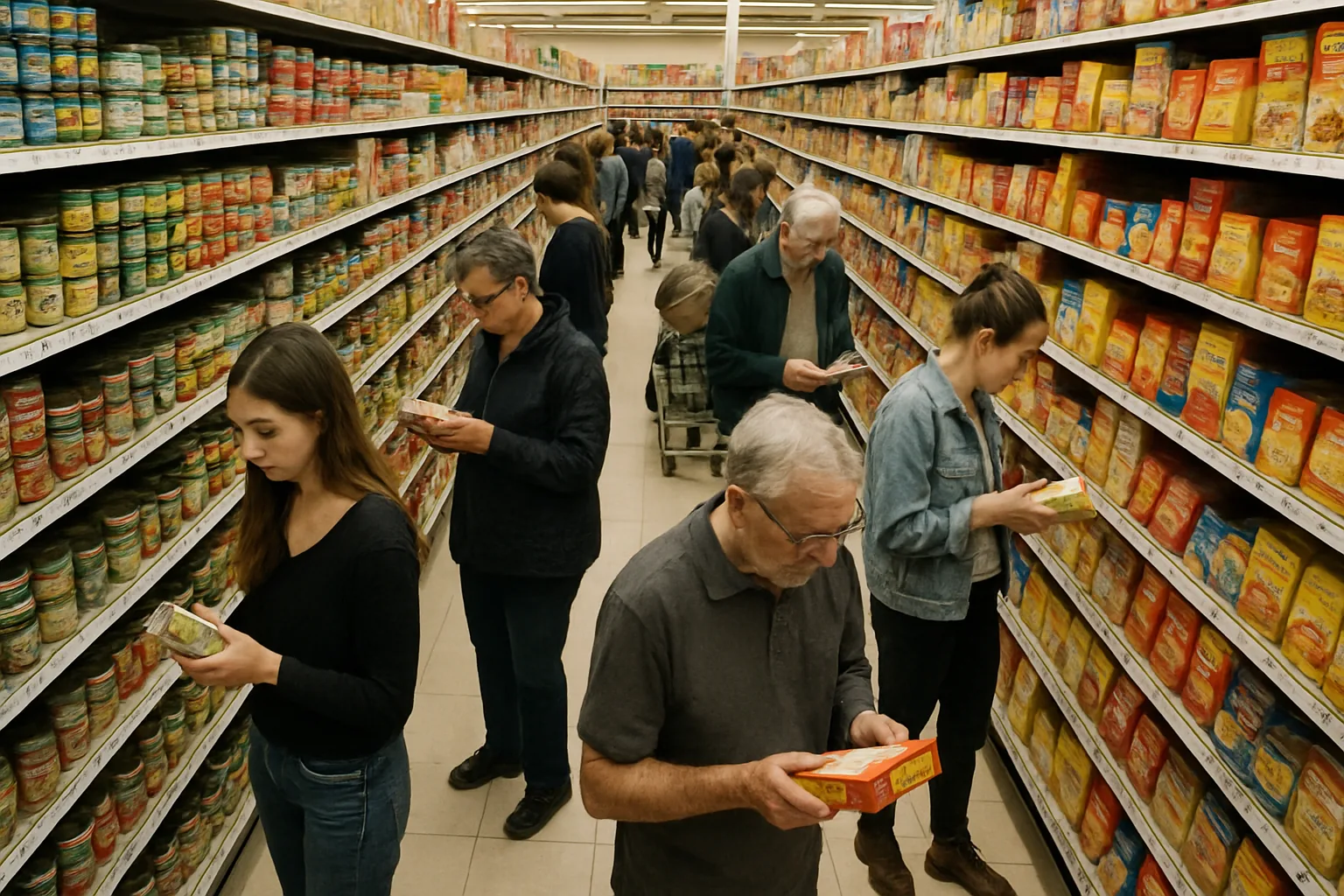
Here’s a critical point that reframes this entire conversation: roughly 70% of the sodium in the average American diet doesn’t come from the salt shaker. It comes from processed and ultraprocessed foods. Canned sauces, boxed rice mixes, frozen meals, deli meats, restaurant food. The AHA’s 2026 guidance specifically emphasizes minimizing ultraprocessed products as a pathway to sodium reduction.
This matters enormously for Latino families navigating between convenience and tradition. A jar of store-bought sofrito or a packet of pre-mixed sazón can contain 300 to 500 milligrams of sodium per serving. Some popular brands of canned beans carry over 400 milligrams per half-cup. A single bouillon cube, the kind used to season rice and soups in countless Latino kitchens, packs upwards of 900 milligrams.
Making sofrito from scratch using fresh garlic, onion, peppers, cilantro, and tomato drops the sodium to whatever you decide to add, which can be nothing. Cooking dried beans from scratch instead of opening a can gives you complete control. Seasoning rice with achiote, cumin, and a squeeze of lime instead of a bouillon cube removes hundreds of milligrams of sodium from a single side dish without sacrificing flavor.
This isn’t about perfection. It’s about recognizing that the traditional way of cooking, the from-scratch way, the way that takes longer, the way your grandmother did it before she had access to Goya packets, is actually the way that modern cardiology now recommends.
Potassium: The Other Half of the Blood Pressure Equation
The 2026 AHA guidance doesn’t just focus on reducing sodium. It also emphasizes increasing potassium, because the sodium-to-potassium ratio matters more for blood pressure regulation than either mineral alone.
Potassium counterbalances sodium in the kidneys. When potassium intake is adequate, the kidneys excrete more sodium through urine. When potassium is low, the body retains sodium and water, increasing blood volume and pressure. The adequate intake for potassium is 2,600 milligrams per day for women and 3,400 milligrams for men, and most Americans fall short.
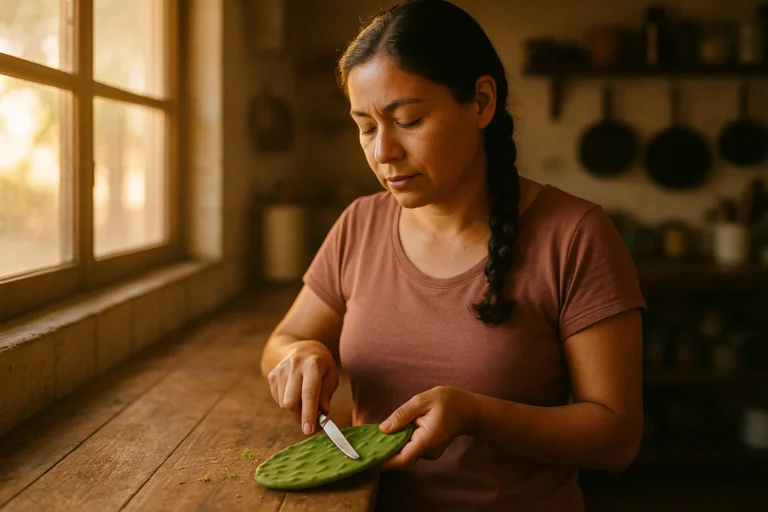
Traditional Latino diets are, again, naturally positioned to meet this target. Plátanos (plantains) contain roughly 913 milligrams of potassium per cup when cooked. Black beans deliver about 611 milligrams per cup. Avocado, the base of guacamole, provides 708 milligrams per fruit. Nopales, the prickly pear cactus pads eaten across Mexico, contain around 291 milligrams per cup along with significant magnesium, another mineral involved in vascular relaxation.
When you combine high-potassium traditional ingredients with sodium-displacing spice bases, you’re effectively optimizing both sides of the blood pressure equation simultaneously. This is what cardiologists mean when they talk about dietary patterns rather than single nutrients. The pattern already exists. It just needs to be recognized and protected from the ultraprocessed drift that’s made bouillon cubes and canned everything the default.
The Caveats: What the Evidence Doesn’t Say
Intellectual honesty requires stating what we don’t know.
First, cinnamon’s blood pressure and blood sugar benefits have been demonstrated in controlled studies, but the doses used (1 to 6 grams daily) are higher than what most people sprinkle on food casually. A quarter teaspoon is about 0.7 grams. You’d need to be intentional about incorporating it into multiple dishes or beverages daily to approach the doses studied. And Cassia cinnamon at higher doses raises concerns about coumarin intake. The European Food Safety Authority set the tolerable daily intake for coumarin at 0.1 milligrams per kilogram of body weight. For a 70-kilogram person, that’s 7 milligrams per day. A teaspoon of Cassia cinnamon can contain 7 to 18 milligrams of coumarin. Ceylon cinnamon contains only trace amounts. If you’re consuming cinnamon daily at therapeutic doses, Ceylon is the safer choice.
Second, cumin’s cholesterol-lowering effects were observed in one relatively small trial. Larger confirmatory studies are needed. The effect is plausible given thymoquinone’s known mechanisms, but it shouldn’t be treated as equivalent to a statin.
Third, and this is important: spice substitution is not a treatment for hypertension. It’s a dietary strategy that can support cardiovascular health as part of a broader pattern that includes physical activity, adequate sleep, stress management, and when necessary, medication. If your blood pressure is consistently above 130/80, you need a conversation with a clinician, not just a recipe change.
Fourth, sofrito cooked from scratch is low in sodium only if you don’t add salt to it. Many traditional recipes do call for salt. The adaptation required here is conscious reduction, not wholesale reinvention. Dr. Martin Pollak at Mayo Clinic has noted that taste buds adjust to lower sodium levels within about two to three weeks. The first few days of reducing salt feel noticeable. By week three, foods that previously tasted normal start tasting too salty. The adjustment is real and well-documented, but it requires patience.
How to Use This Intelligently: A Practical Framework
Start with your base. If you already make sofrito, recaíto, or any aromatic base from scratch, you’re ahead. If you’re using jarred versions, check the sodium content on the label and consider transitioning to homemade, even if it’s just on weekends when you have more time. Make large batches and freeze them in ice cube trays for weeknight convenience.
Replace bouillon cubes with homemade caldo. Roast chicken bones with onion, garlic, and a bay leaf. Season with cumin, oregano, and a pinch of black pepper. The flavor is richer than any cube, and the sodium is whatever you choose.
Add cinnamon where it doesn’t traditionally appear. A quarter teaspoon in black bean soup deepens the flavor profile without tasting like dessert. It works in chili, in mole-inspired sauces, and stirred into morning oatmeal or avena alongside vanilla. Choose Ceylon cinnamon if you’re using it daily.
Use achiote paste as a marinade base for grilled meats instead of salt-heavy commercial marinades. Combine ground annatto with garlic, cumin, oregano, bitter orange juice or a mix of lime and orange juice, and a small amount of olive oil.
Increase potassium-rich sides. Serve tostones (smashed and fried plantains) alongside grilled fish. Make a nopales salad with tomato, onion, cilantro, and lime. Mash avocado with cumin and a squeeze of lime instead of reaching for salt.
One Recommendation Worth Trying This Week
Take your usual arroz recipe. The one you’ve made a hundred times. Make it exactly the way you always do, but cut the salt in half. Then double the cumin, add a quarter teaspoon of cinnamon, and use a full tablespoon of homemade sofrito instead of half. Use low-sodium broth or plain water with a few crushed garlic cloves instead of bouillon.
Taste it before you decide it needs more salt. Give your palate ten minutes to register what the spices are doing. There’s a very good chance you’ll find the rice tastes more interesting than the version you’ve been making on autopilot. Not different. Not like someone else’s food. Like a fuller version of your own.
That’s the quiet revelation in all of this. The guidelines aren’t asking Latino families to abandon tradition. They’re asking everyone else to catch up to what these flavor systems have always been capable of doing. The spices were never just about taste. They were architecture. And the architecture, it turns out, was built for a heart that needs to last.