Late Screens, Late Shifts, and Cortisol Out of Sync
Your grandmother told you that staying up late would make you sick. Not tired. Sick. She didn’t have the language of cortisol rhythms or HPA-axis dysregulation, but she had the observation: something about being awake at the wrong hour, under the wrong kind of light, with the wrong thoughts running, changed a person. Science half-agrees with her. The half it can’t confirm yet is the part that should worry you most.
The sleep-stress-hormone connection in Latino households isn’t a simple story about not getting enough hours. It’s about when those hours happen, what’s disrupting them, and how chronic psychosocial stress layers onto circadian biology in ways that shift cortisol from protective to destructive. For English-dominant Latinos living in multi-generational homes, where someone’s always on a different schedule, where the TV or phone glows past midnight, and where second-shift work dictates when dinner happens, the conditions for cortisol dysregulation aren’t hypothetical. They’re Tuesday night.
How Cortisol Is Supposed to Work
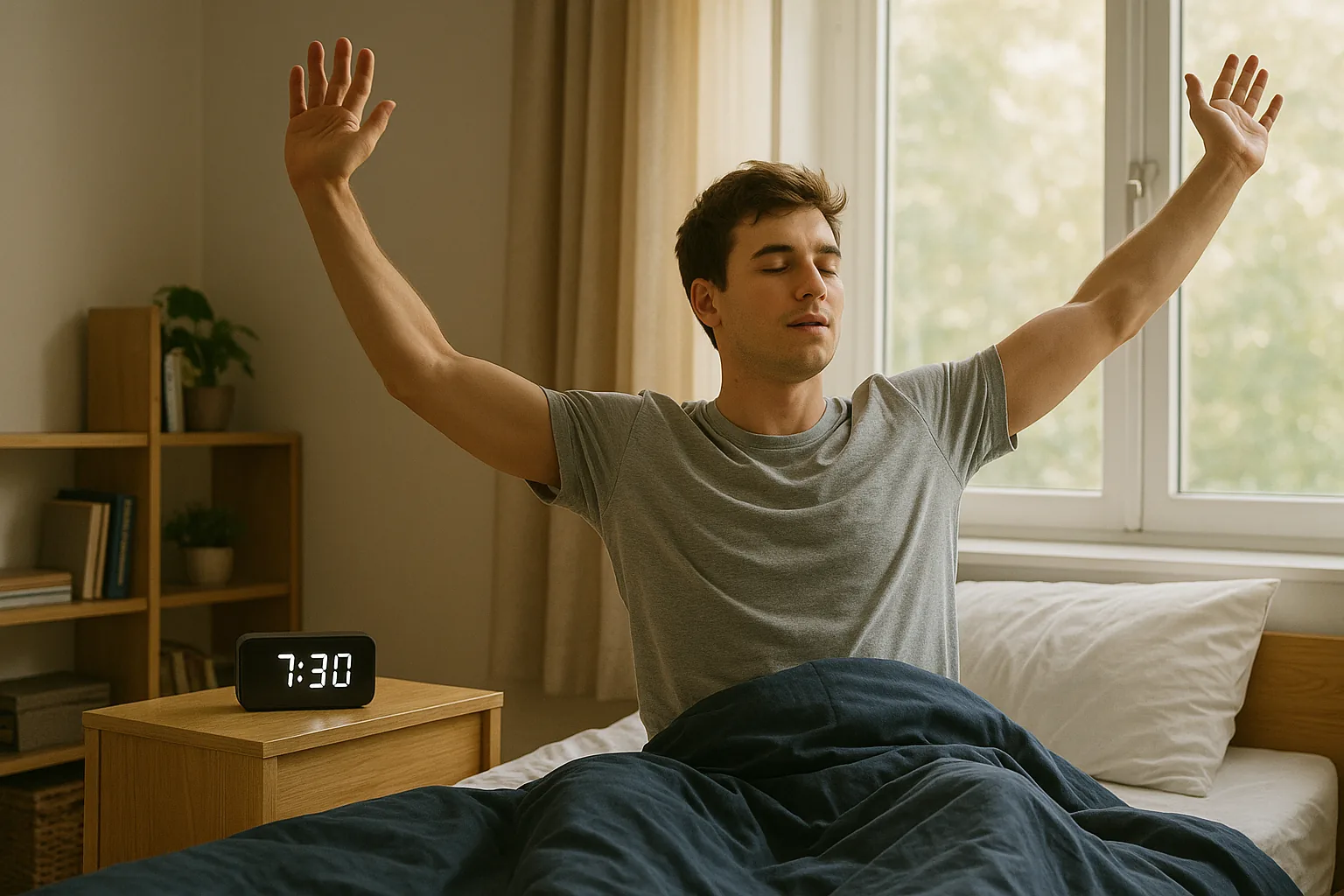
Cortisol follows a circadian rhythm. It peaks about 30 to 45 minutes after waking, a spike called the cortisol awakening response, or CAR. Then it declines through the day, reaching its lowest point around midnight. This pattern isn’t decorative. It regulates glucose metabolism, immune function, blood pressure, and how the brain consolidates memory during sleep. The hypothalamic-pituitary-adrenal axis, or HPA axis, governs this rhythm, responding to light cues, meal timing, and stress signals to calibrate when cortisol rises and falls.
When the rhythm works, cortisol helps you wake up alert, mobilize energy, and wind down at night. When it doesn’t, problems accumulate. A flattened cortisol slope, meaning cortisol stays elevated in the evening instead of dropping, has been linked to increased abdominal fat storage, insulin resistance, elevated inflammatory markers like interleukin-6, and higher cardiovascular risk. The mechanism matters: elevated evening cortisol promotes hepatic gluconeogenesis, the liver producing glucose when the body doesn’t need it, and suppresses insulin sensitivity in peripheral tissues. Over months and years, this becomes metabolic syndrome by another name.
The research on Latino populations is starting to connect these dots, though not always in the places you’d expect.
What Acculturation Stress Does to Sleep
The Hispanic Community Health Study/Study of Latinos, known as HCHS/SOL, is one of the largest longitudinal studies of Hispanic and Latino health in the United States. Its sociocultural ancillary study examined how acculturation stress, ethnic discrimination, and chronic psychosocial stress relate to sleep. The findings were consistent and uncomfortable.
Acculturation stress, ethnic discrimination, and chronic psychosocial stress were each independently associated with higher insomnia symptom scores. Discrimination was also linked to both short and long sleep duration, a U-shaped pattern that suggests the stressor disrupts sleep architecture in more than one direction. A related HCHS/SOL analysis confirmed that acculturation stress severity and chronic stress burden were the most consistent correlates of insomnia symptoms, even when objective actigraphy, wrist-worn devices that measure movement during sleep, showed less consistent effects.
That gap between subjective insomnia complaints and objective actigraphy data is worth pausing on. It suggests that the lived experience of poor sleep among stressed, acculturating Latinos may involve more than reduced sleep time. It may involve fragmented sleep, increased sleep-onset latency, or poor sleep quality that actigraphy, which primarily measures movement, can’t fully capture. What the body registers as unrestorative sleep, the wristband might record as adequate duration.
Among Mexican Americans in NHANES data, speaking majority English at home was associated with short sleep duration. Higher depression scores were also linked to short sleep. Longer U.S. residence and severe depression were associated with long sleep. The language variable is a proxy, but it’s pointing at something real: the further a household moves into English-dominant American routines, the more sleep patterns start resembling the broader American pattern of insufficiency.
The Cortisol Connection in Latino Immigrant Studies

Here’s where the biology gets specific. In studies of Latino immigrants and adolescents, researchers have measured diurnal cortisol, meaning cortisol sampled at multiple points throughout the day, and found that cultural orientation matters.
Endorsing U.S. mainstream cultural values was linked to higher waking cortisol and a steeper diurnal cortisol slope. On its face, a steeper slope sounds healthy, since it means cortisol drops appropriately through the day. But the higher waking cortisol suggests the HPA axis is running hotter at baseline, possibly reflecting the chronic low-grade stress of navigating a dominant culture that demands constant code-switching. Ongoing daily stress in these studies predicted higher cortisol throughout the day, not just in the morning.
A more recent daily diary study in Latin American immigrants examined the bidirectional relationship between stress and sleep through the HPA axis. The researchers hypothesized that stress would worsen sleep and poor sleep would worsen stress the next day, creating a feedback loop. Biologically, this is plausible: cortisol suppresses melatonin production, and melatonin suppression delays sleep onset, which shortens sleep, which increases next-day cortisol reactivity. But after correcting for multiple comparisons, the study did not find statistically significant bidirectional daily associations between stress severity and sleep duration, efficiency, or quality.
That null finding doesn’t mean the mechanism doesn’t exist. It means this particular study, with its sample size and daily measurement approach, couldn’t confirm it at the level of day-to-day fluctuation. The chronic, cumulative version of this cycle, playing out over weeks and months rather than individual nights, remains biologically plausible and consistent with what other cortisol research shows.
Where Screens and Shift Work Enter the Picture
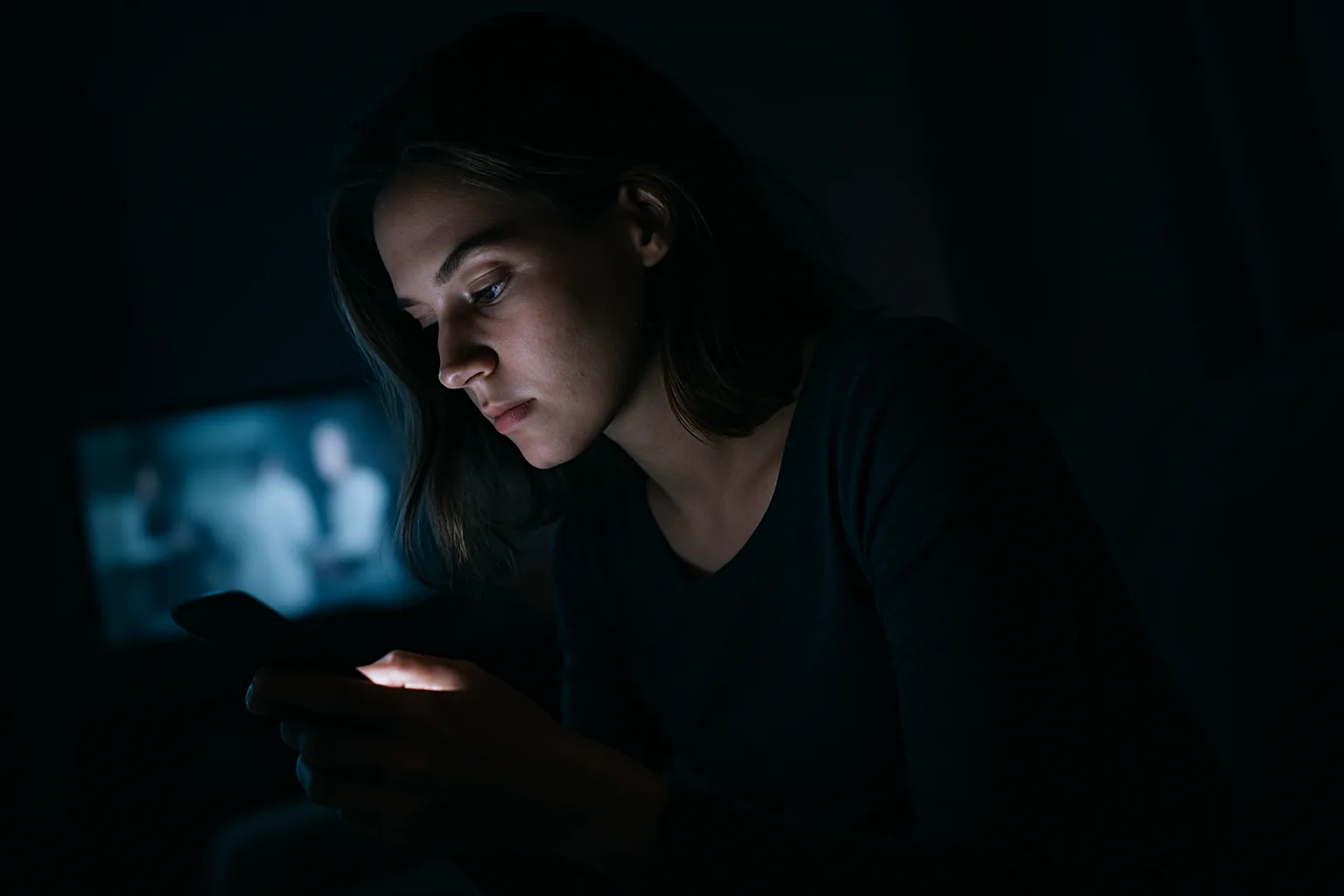
No published study has isolated late-night screen use as a single exposure in Latino households and measured its cortisol effects. That’s worth stating plainly. The specific scenario, a 28-year-old in a multi-generational household scrolling TikTok at 1 a.m. after getting home from a second shift at a warehouse, hasn’t been studied as its own variable in a Latino cohort.
But the mechanisms that make this scenario problematic are well established in the general population, and the psychosocial stressors that are specific to acculturating Latinos layer on top of them.
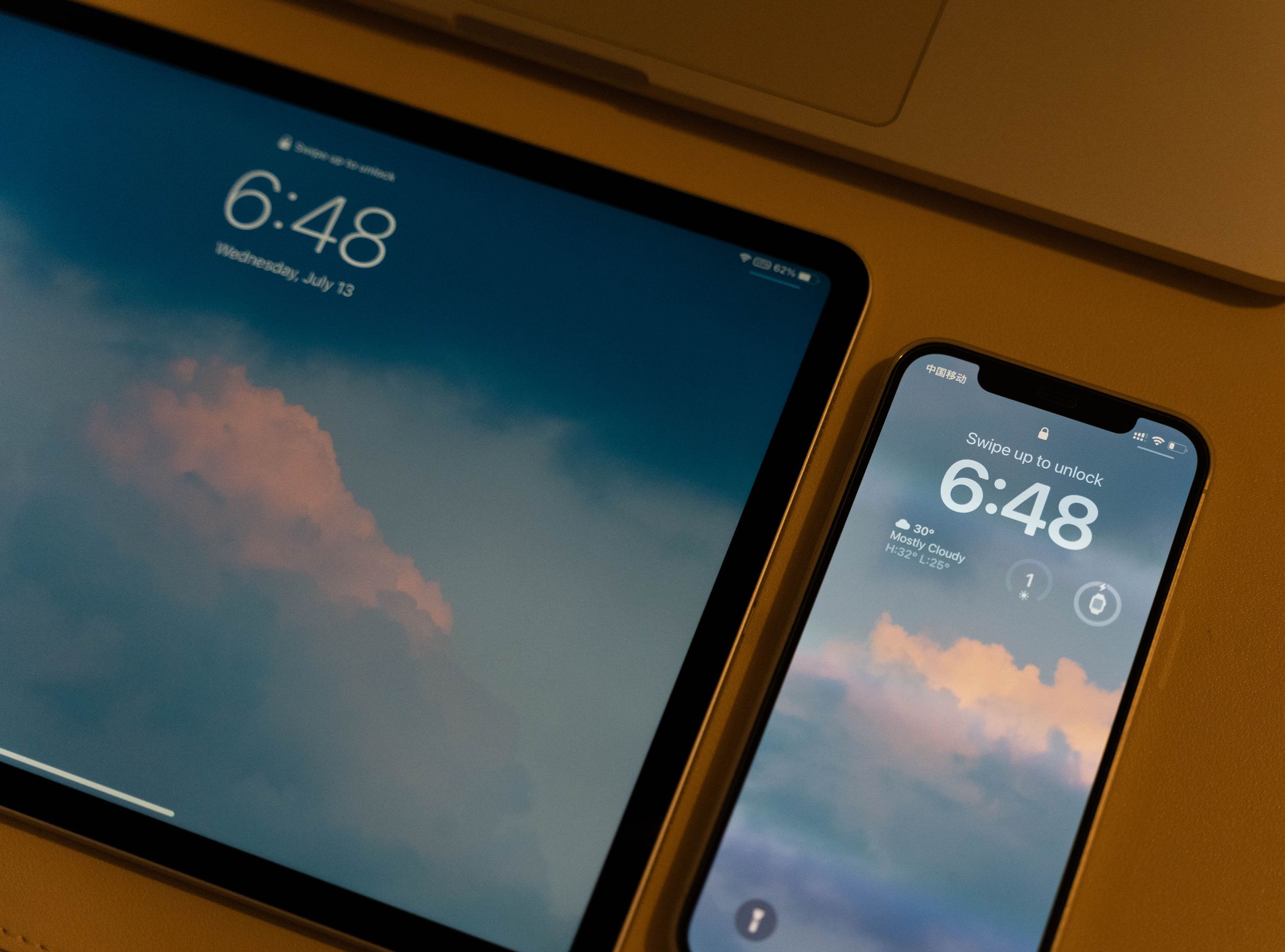
Screen light in the 450 to 490 nanometer range, the blue wavelength emitted by phones, tablets, and LED televisions, suppresses melatonin secretion by stimulating intrinsically photosensitive retinal ganglion cells, which signal the suprachiasmatic nucleus, the brain’s master clock, that it’s still daytime. A 2014 study published in the Proceedings of the National Academy of Sciences found that reading on a light-emitting device before bed, compared to reading a printed book, suppressed melatonin secretion by over 50%, delayed the melatonin onset by about 1.5 hours, and shifted the circadian clock. Participants felt less sleepy at bedtime and less alert the next morning.
Now add shift work. The Bureau of Labor Statistics reports that Latino workers are disproportionately represented in industries with non-standard hours: food service, warehousing, healthcare support, and manufacturing. Second-shift work, typically 3 p.m. to 11 p.m. or later, forces a cortisol pattern that’s out of step with daylight. The worker wakes midmorning, misses the natural cortisol peak that aligns with dawn, and arrives home after 11 p.m. into a household that may still be active, lit, and noisy. In a multi-generational home, a grandmother’s early morning and a parent’s late-night return can create a household that never fully goes dark.
The systematic review on sleep health in U.S. Latinx populations noted that allostatic load, the cumulative wear on the body from chronic stress, is higher in Latinx populations and connected to sleep disruption. Allostatic load is not a single biomarker. It’s a composite that typically includes cortisol, epinephrine, norepinephrine, DHEA-S, systolic and diastolic blood pressure, waist-to-hip ratio, HDL cholesterol, total cholesterol, glycosylated hemoglobin, and C-reactive protein. When multiple systems are under strain simultaneously, the body loses its ability to recover during sleep. And when sleep is the thing being disrupted, recovery becomes the first casualty.
The Multi-Generational Household Problem
In many Latino families, three generations share a home not as a lifestyle choice but as an economic necessity and a cultural preference that happens to also be an economic necessity. The Pew Research Center reports that about 27% of Hispanics live in multi-generational households, compared to 16% of the general U.S. population.
This living arrangement creates specific sleep challenges that aren’t pathological on their own but become significant when combined with shift work and screen use. Shared bedrooms mean one person’s alarm is another person’s interruption. A night-shift worker coming home at midnight may wake a school-age child. An elderly grandparent who sleeps lightly and watches television in the early morning hours introduces ambient light and sound. The household rhythms are plural, and no single schedule governs the light-dark cycle for everyone.
Irregular sleep timing, sometimes called social jet lag, refers to the difference between sleep patterns on work days and free days. Research from the University of Arizona published in Sleep found that each hour of social jet lag is associated with an 11% increase in the likelihood of cardiovascular disease, independent of sleep duration and insomnia symptoms. The mechanism runs through circadian misalignment: when the internal clock expects sleep at one time and the body sleeps at another, cortisol, insulin, and melatonin rhythms all shift, and metabolic processes lose their temporal coordination.
For an English-dominant Latino in a multi-generational household, social jet lag may not be a weekend phenomenon. It may be a daily reality, shaped by rotating shifts, family obligations that don’t follow a clock, and the cultural expectation that you eat when food is ready, not when a nutritionist’s schedule says you should.
The Metabolic Consequences That Accumulate
The downstream effects of cortisol dysregulation aren’t abstract. In a population already facing elevated rates of type 2 diabetes, the metabolic consequences of disrupted cortisol rhythms deserve direct attention.
A 2017 study in The Journal of Clinical Endocrinology & Metabolism found that a flattened diurnal cortisol slope, where evening cortisol doesn’t drop as it should, predicted the development of type 2 diabetes over a six-year follow-up, even after controlling for baseline glucose, BMI, and other metabolic markers. The proposed mechanism: sustained evening cortisol keeps the liver producing glucose via gluconeogenesis at a time when insulin sensitivity is naturally lower, creating a perfect setup for hyperglycemia and, eventually, insulin resistance.
Latino adults in the United States already have a 17% prevalence of diagnosed diabetes, compared to about 8% for non-Hispanic whites, according to CDC data. The reasons are multi-factorial, involving genetics, diet, access to care, and socioeconomic stress. But the cortisol piece adds a biological pathway that connects psychosocial stress directly to metabolic disease, not through behavior alone but through neuroendocrine disruption.
This is where the sleep-stress-hormone link becomes more than a wellness talking point. It’s a mechanistic explanation for why chronic stress doesn’t just make you feel bad. It changes your glucose metabolism at the cellular level, through a hormone your body was designed to use for short-term survival, not for navigating a 14-hour day split between an Amazon warehouse and a house where the lights never go all the way off.
What Your Grandmother Got Right and What She Missed
She was right that late nights change something in the body. She was right that the quality of rest matters, not just the fact of it. She was right that a quiet, dark room does something a bright, noisy one doesn’t.
What she didn’t have access to is the specificity. She couldn’t tell you that blue light between 450 and 490 nanometers suppresses melatonin through melanopsin receptors. She couldn’t name cortisol or trace its path from the paraventricular nucleus of the hypothalamus to the adrenal cortex. She couldn’t explain that eating a late meal raises postprandial glucose more than the same meal eaten at 6 p.m. because circadian insulin sensitivity drops in the evening.
But she also didn’t need to. The observation was enough to change behavior. “Apaga eso y duérmete” worked as a public health intervention long before anyone measured cortisol in saliva samples.
The gap between her wisdom and the evidence is real, though. The studies connecting acculturation stress to cortisol dysregulation in Latino populations are still small and cross-sectional. The daily diary study that tried to find a bidirectional stress-sleep link couldn’t confirm it after statistical correction. No one has run a randomized controlled trial giving English-dominant Latinos in multi-generational households a structured sleep-timing intervention and measuring cortisol slopes over six months. The plausibility is strong. The proof is incomplete.
One Thing to Do Tonight
Set a consistent wake time, not a bedtime. Cortisol rhythm is anchored to the waking end of the cycle, not the sleeping end. If you can wake within the same 30-minute window every day, including weekends, your cortisol awakening response starts to stabilize within about two weeks, based on data from circadian rhythm research. This works even if your bedtime varies because of shift work or family obligations.
Get direct light exposure within 20 minutes of waking. Sunlight through a window is sufficient. This resets the suprachiasmatic nucleus more effectively than any supplement. If you’re waking before dawn for a morning shift, a 10,000-lux light therapy box for 15 to 20 minutes achieves a similar effect.
Then, in the last hour before sleep, reduce screen brightness to below 50% and switch to night mode if your device offers it. This doesn’t eliminate blue light entirely, but it reduces melanopsin stimulation enough to improve melatonin onset by roughly 20 to 30 minutes in controlled settings.
One Thing to Ask Your Doctor About
If you work second shift or rotating shifts, ask about salivary cortisol testing. It’s not standard in primary care, but it’s inexpensive, usually around $40 to $80 for a four-point diurnal panel through services like ZRT Laboratory or through a direct request to your provider. The test involves collecting saliva samples at waking, midday, late afternoon, and bedtime. The result is a cortisol curve that shows whether your rhythm is normal, flattened, or inverted.
A flattened curve doesn’t mean you have a disease. It means your HPA axis is under strain, and the strain has a measurable shape. Knowing that shape gives you and your doctor something concrete to monitor, especially if you’re already managing prediabetes, insulin resistance, or unexplained fatigue.
Don’t bother buying cortisol-lowering supplements marketed as adrenal support. Ashwagandha (Withania somnifera) has some evidence for modest cortisol reduction, with a 2019 meta-analysis in the Journal of Clinical Medicine showing a weighted mean difference of about 11 nmol/L in serum cortisol, but the studies are small, heterogeneous, and none were conducted in shift-working Latino populations. The supplement isn’t dangerous at standard doses of 300 to 600 mg daily, but it’s not a substitute for fixing the timing of your light exposure, meals, and sleep.
Your grandmother didn’t have a cortisol curve. She had a rule: when the house gets dark, you get quiet. The science suggests she was regulating something she couldn’t name. The question now is whether we can be as disciplined about it as she was, in a house that never fully gets dark anymore.