What 5 Latino Herbal Teas Actually Do at Cup-Level Doses
Five botanicals. Generations of kitchen-table medicine. We matched the tradition against the clinical evidence — tea by tea, compound by compound, dose by dose.

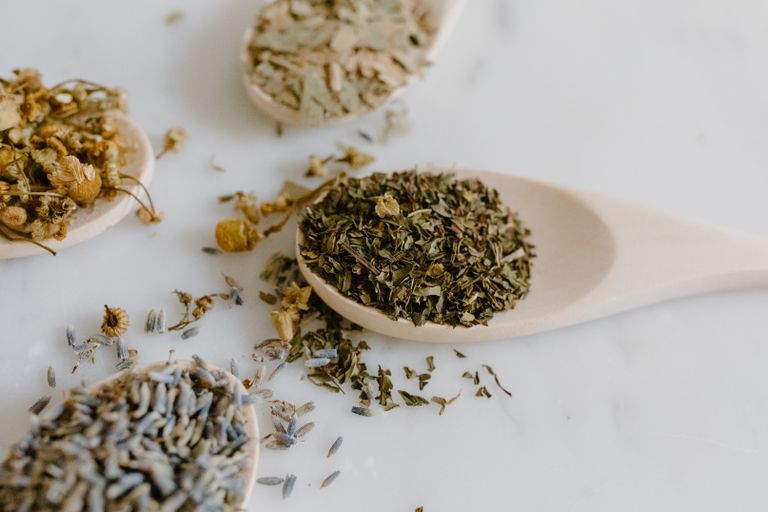
Five botanicals. Generations of kitchen-table medicine. We matched the tradition against the clinical evidence — tea by tea, compound by compound, dose by dose.
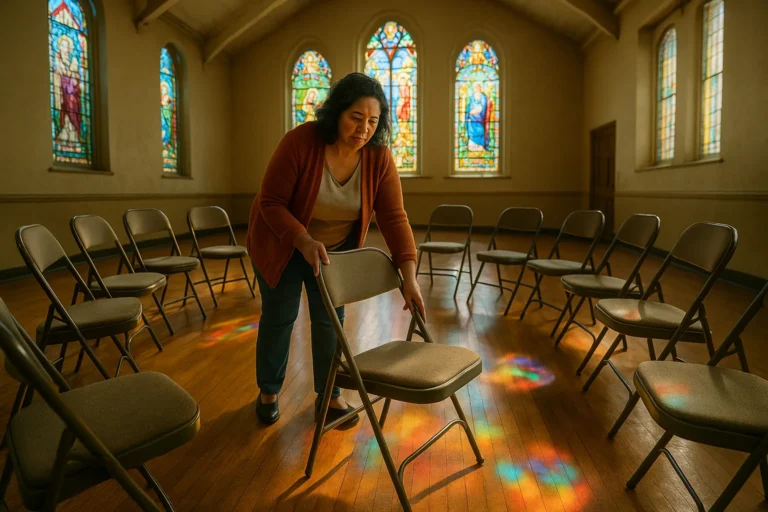
The most effective mental-health programs in Latino parishes don’t start by talking about mental health. They start with folding chairs, familiar faces, and a Tuesday routine.
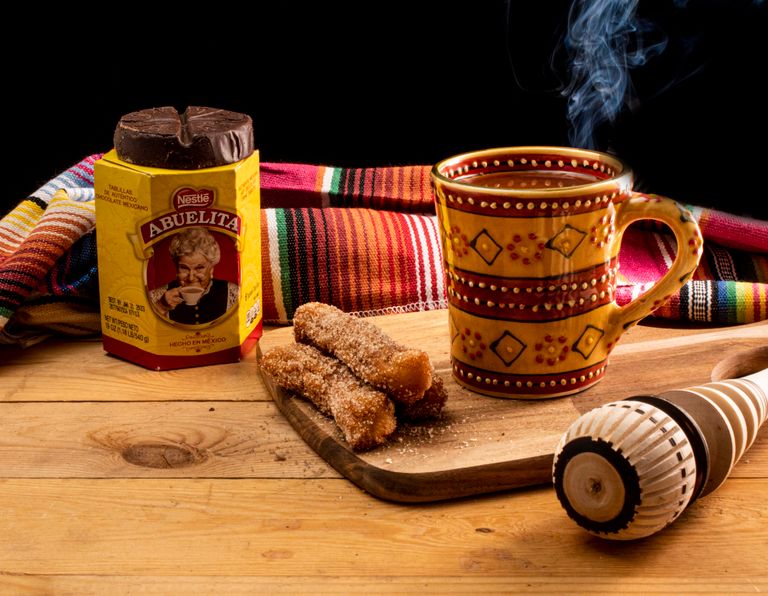
When grocery budgets shrink, the meals still fill you up. But the nutritional math shifts underneath every plate — and HbA1c is keeping a running total.
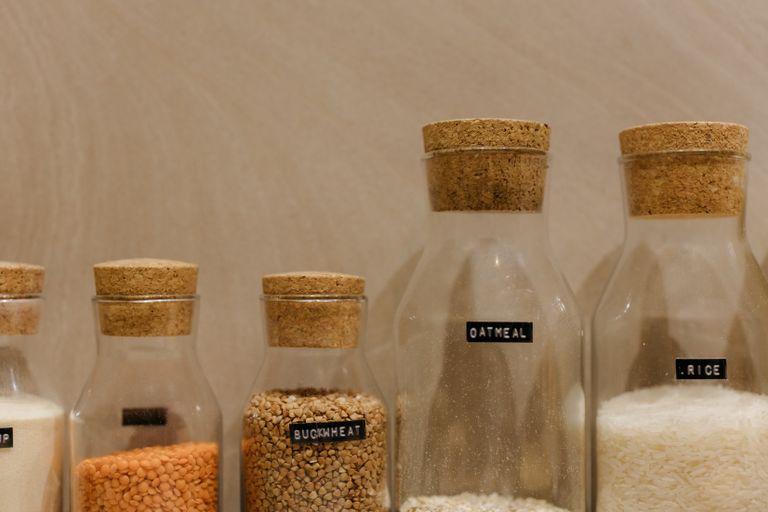
Four kitchen ingredients. Generations of trust. But the evidence draws sharp lines between what works on a scrape and what sends you to the ER.
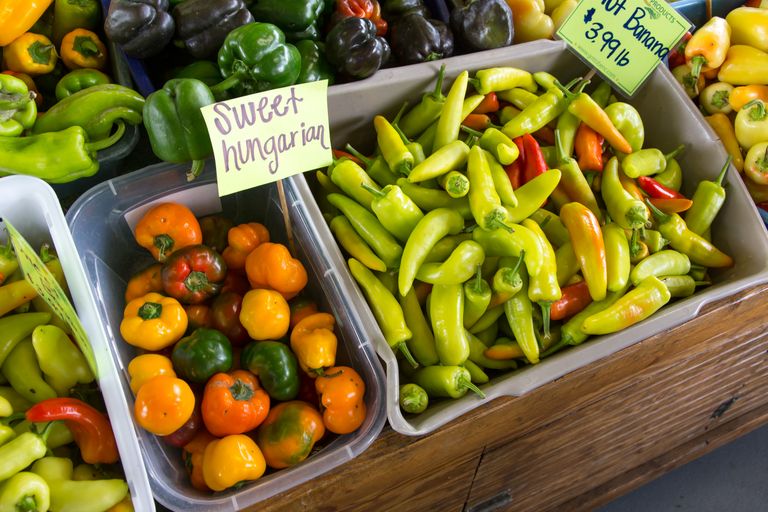
The science catching up to your grandmother’s kitchen isn’t just marketing. Some of these ingredients are generating real human data. Others aren’t there yet. Here’s what holds up.
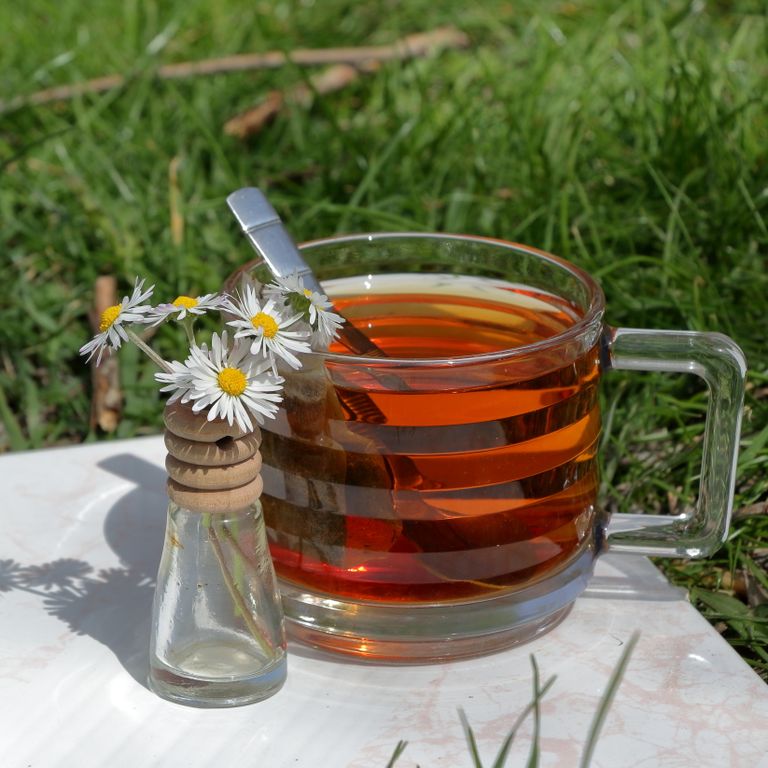
Your mother put manzanilla in everything she made when you were sick. The pharmacology says she was onto something — but the ritual might matter just as much as the apigenin.
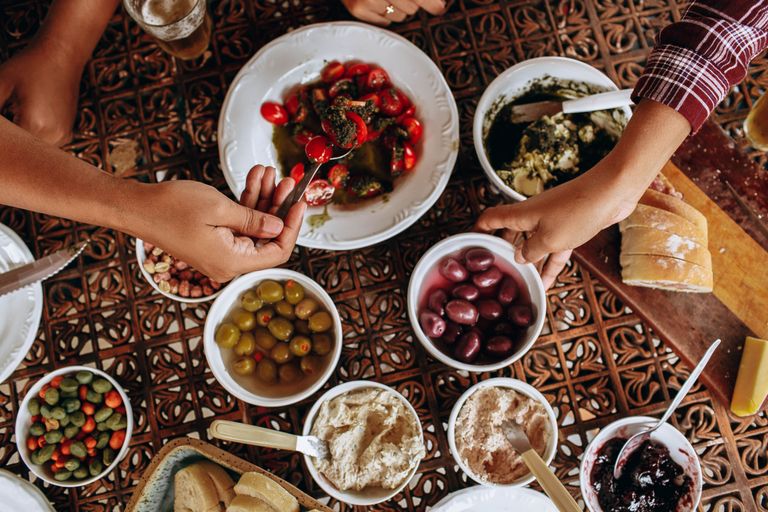
The drug didn’t ruin your mom’s cooking. It changed how your brain responds to it. Here’s the mechanism, the evidence, and what’s actually worth trying.
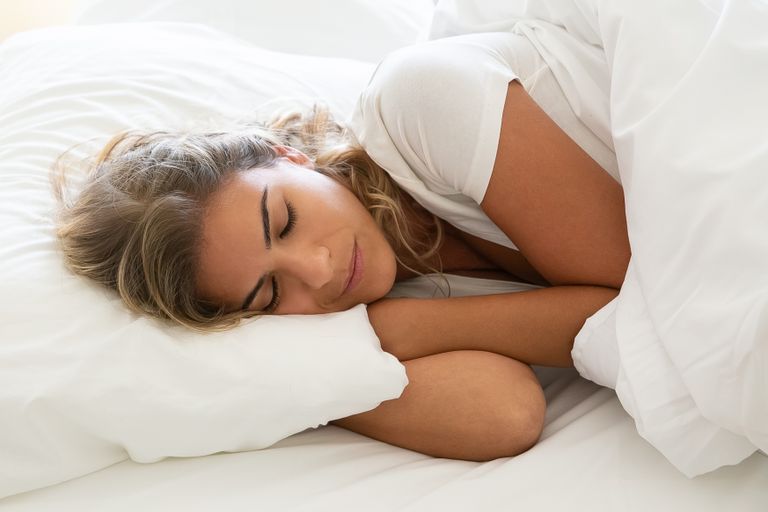
GLP-1 drugs like semaglutide silence the late-night craving. But the science on sleep, circadian rhythms, and the family dinner table tells a more complicated story than any prescription label covers.
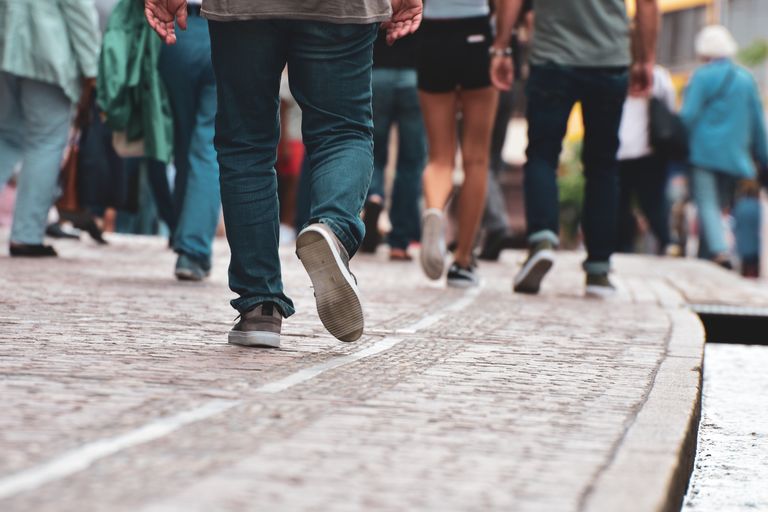
Researchers are finally measuring what abuelitas always knew: walking together does something walking alone can’t. The evidence points to connection, not cardio, as the active ingredient.
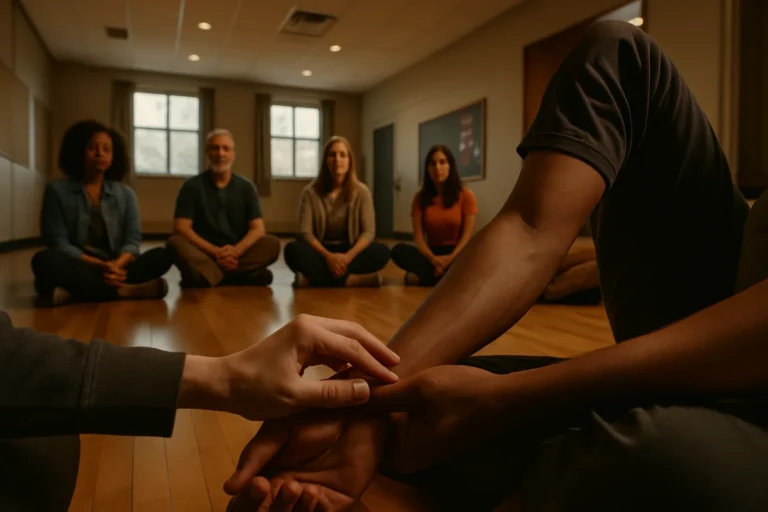
The biology doesn’t care whether you call it pranayama, a military drill, or pre-prayer breathing. But communities care deeply — and the science is catching up to the framing.