What 5 Latino Herbal Teas Actually Do at Cup-Level Doses
Five botanicals. Generations of kitchen-table medicine. We matched the tradition against the clinical evidence — tea by tea, compound by compound, dose by dose.

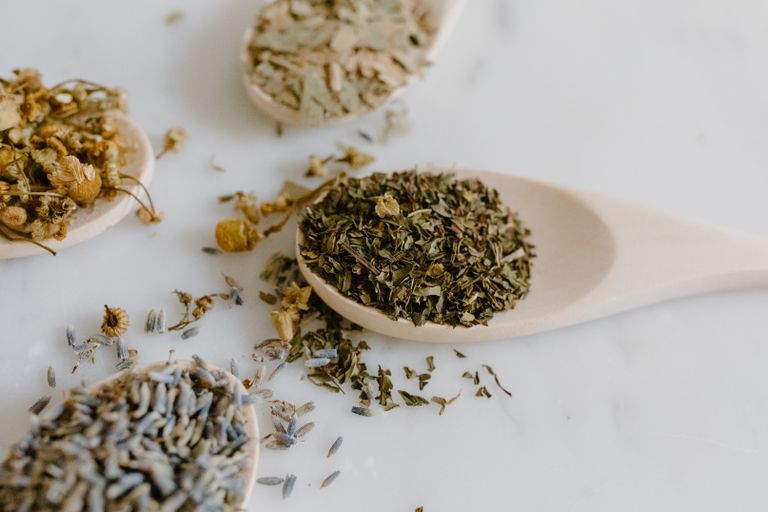
Five botanicals. Generations of kitchen-table medicine. We matched the tradition against the clinical evidence — tea by tea, compound by compound, dose by dose.
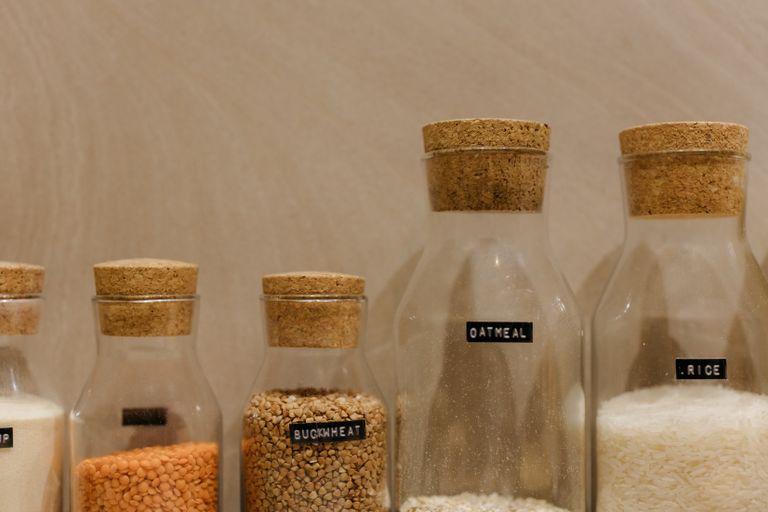
Four kitchen ingredients. Generations of trust. But the evidence draws sharp lines between what works on a scrape and what sends you to the ER.
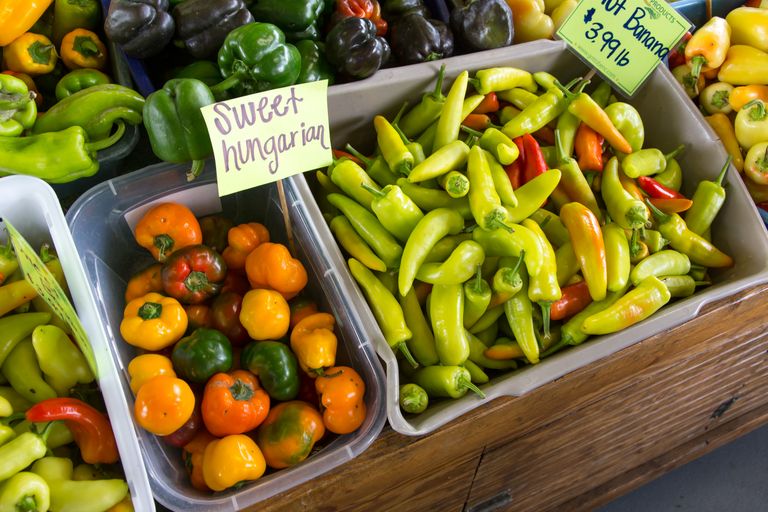
The science catching up to your grandmother’s kitchen isn’t just marketing. Some of these ingredients are generating real human data. Others aren’t there yet. Here’s what holds up.
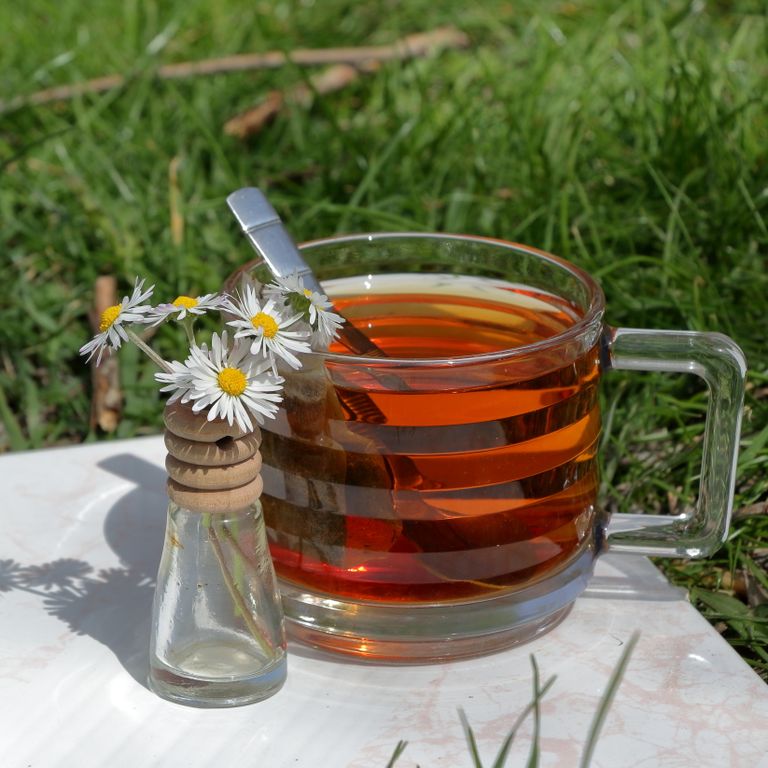
Your mother put manzanilla in everything she made when you were sick. The pharmacology says she was onto something — but the ritual might matter just as much as the apigenin.
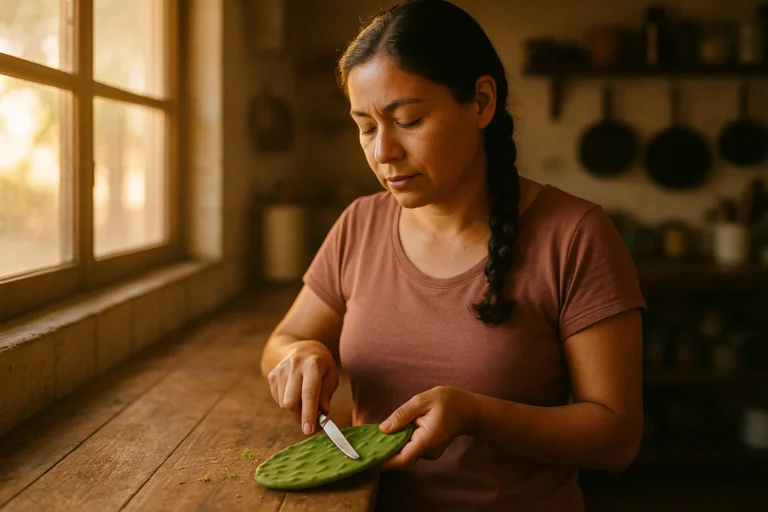
Your abuela cooked nopales into breakfast because that’s what you ate. Now supplements promise they’ll fix your blood sugar, your gut, and your weight. The science is more interesting and more limited than either story.
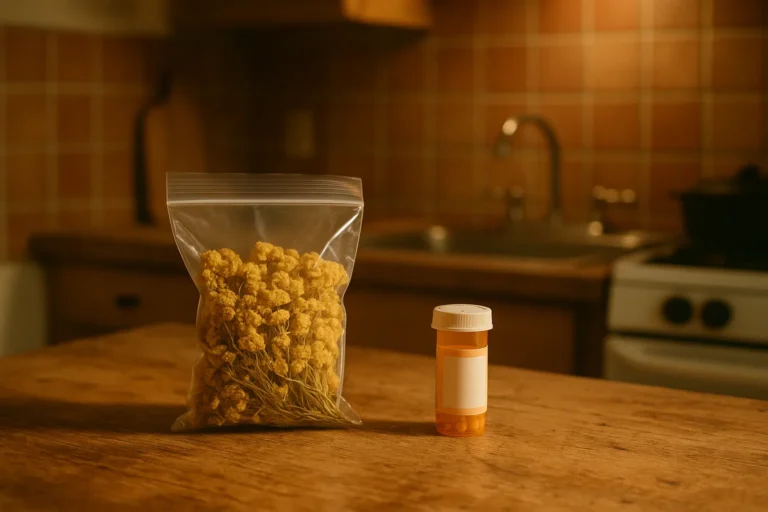
Your abuela’s té de manzanilla probably won’t hurt you. But that hierba de San Juan she swears by for your mood? If you’re also on the pill or an antidepressant, the silence between your curandera and your doctor could be the most dangerous ingredient in the mix.
The spices your abuela already cooked with turn out to be exactly what cardiologists now recommend. Science is finally catching up to the sofrito.