Beans Kept You Full. Your HbA1c Kept Count.
When grocery budgets shrink, the meals still fill you up. But the nutritional math shifts underneath every plate — and HbA1c is keeping a running total.

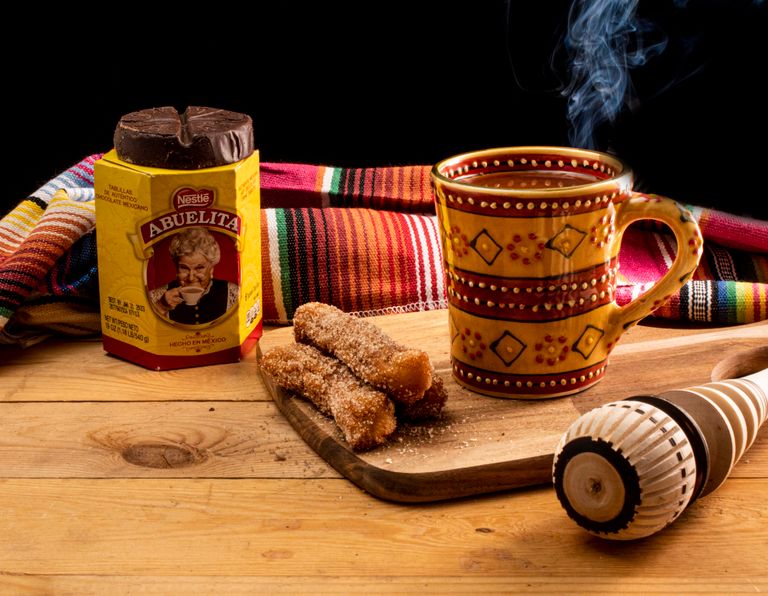
When grocery budgets shrink, the meals still fill you up. But the nutritional math shifts underneath every plate — and HbA1c is keeping a running total.
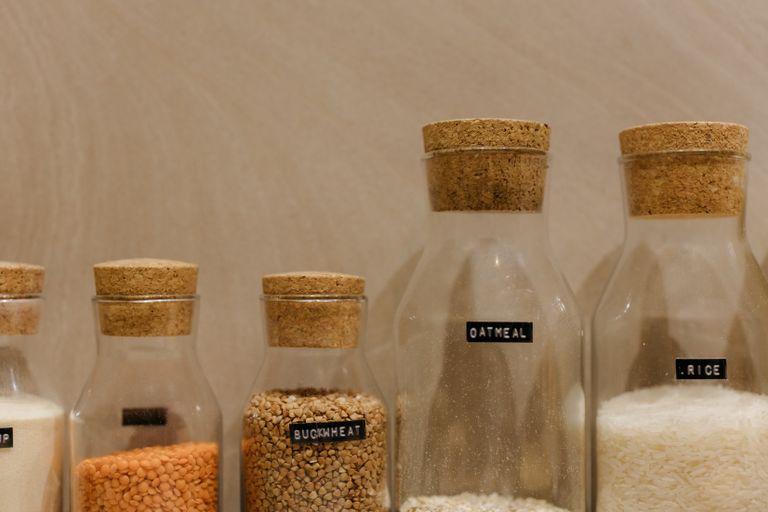
Four kitchen ingredients. Generations of trust. But the evidence draws sharp lines between what works on a scrape and what sends you to the ER.
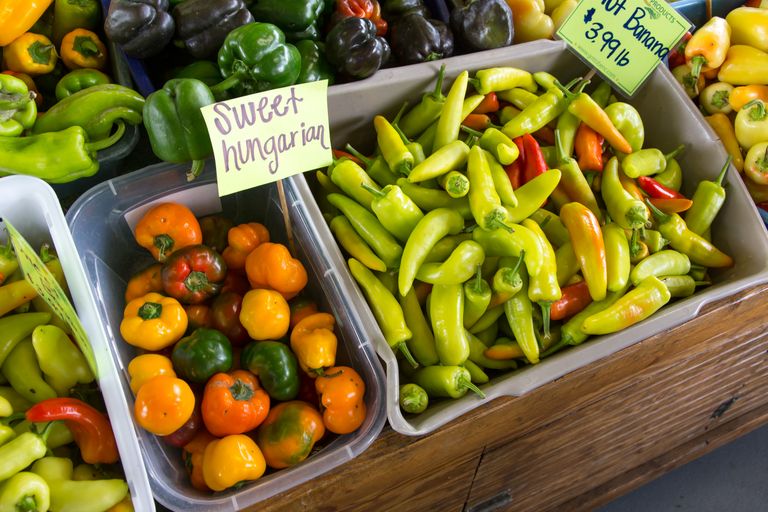
The science catching up to your grandmother’s kitchen isn’t just marketing. Some of these ingredients are generating real human data. Others aren’t there yet. Here’s what holds up.
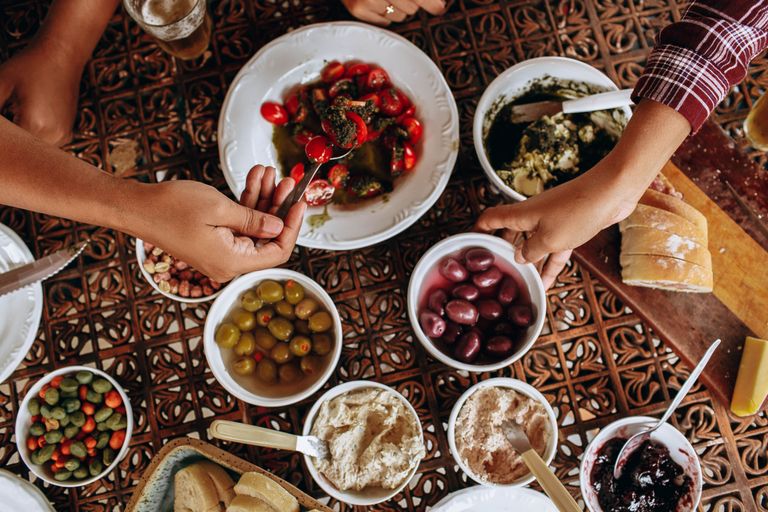
The drug didn’t ruin your mom’s cooking. It changed how your brain responds to it. Here’s the mechanism, the evidence, and what’s actually worth trying.
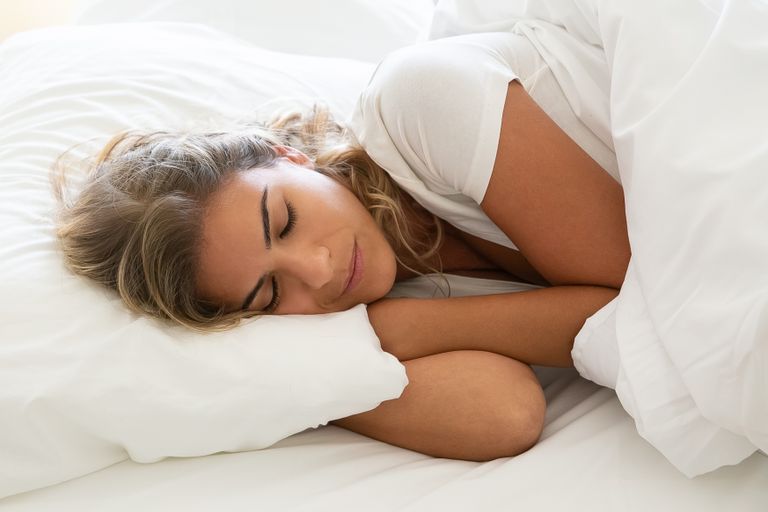
GLP-1 drugs like semaglutide silence the late-night craving. But the science on sleep, circadian rhythms, and the family dinner table tells a more complicated story than any prescription label covers.
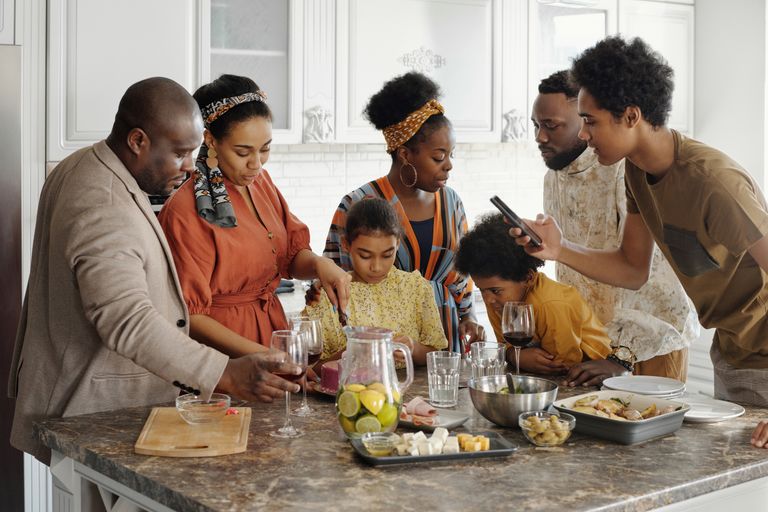
Nutrition science and abuela’s kitchen define “eating well” in ways that barely overlap. The conflict isn’t just cultural—it’s biological, emotional, and measurable.
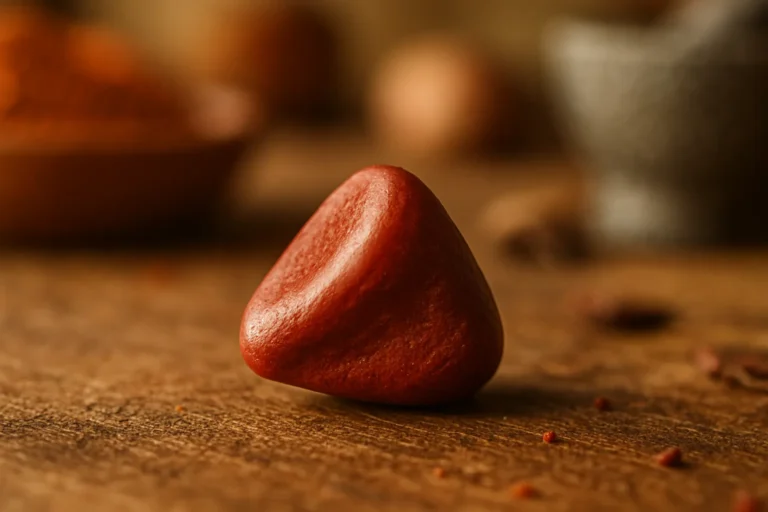
The core aroma of sazón was never about salt. It was about annatto, cumin, oregano, and garlic layered together. So why do the packets on your shelf list sodium as a top ingredient?
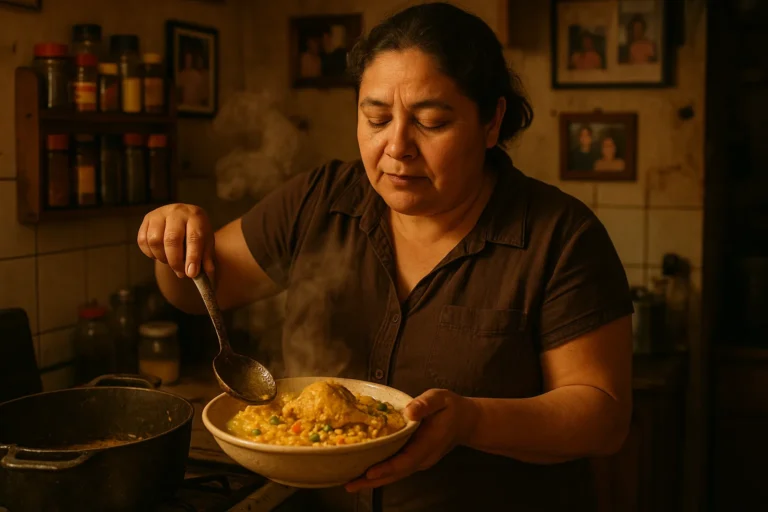
That second helping isn’t just about hunger. It’s about love, tradition, and belonging. But when the science of portion size meets Latino food culture, something has to give.