Your Abuela’s Backyard Pharmacy Had Data Behind It
You’ve eaten nopal your entire life without thinking about it. It showed up on your plate scrambled with eggs, sliced into salads, folded into tacos on a Tuesday. Nobody in your family called it a superfood — maybe because in your household, or your neighbor’s, or your tía’s kitchen across town, it was just what grew nearby. Nobody needed a label. It was Tuesday.
Now it’s in capsules at Whole Foods. Chía is in every smoothie recipe on Instagram. Cacao ceremonies cost $85 in Brooklyn — and the price tag says more about the market extracting value from old traditions than about what’s actually in the cup. And somewhere your abuela is watching all this, asking why anyone would pay for ancestral Latino foods she grew in the backyard.
Here’s what’s actually interesting, though: the science catching up to these foods isn’t just marketing. Some of these ingredients are generating real human data, published in peer-reviewed journals, with measurable endpoints like fasting glucose and LDL cholesterol. Others are still mostly rodent studies dressed up in heritage language. The gap between what’s proven and what’s promoted is worth understanding, because your health decisions shouldn’t rest on nostalgia alone. Or on dismissal either.
Let’s go through five inherited foods that researchers are actively re-evaluating. Not as curiosities. As bioactive compounds with specific mechanisms that either do or don’t hold up when you put them in actual human beings.
Nopal: The Strongest Case for an Ancestral Latino Food
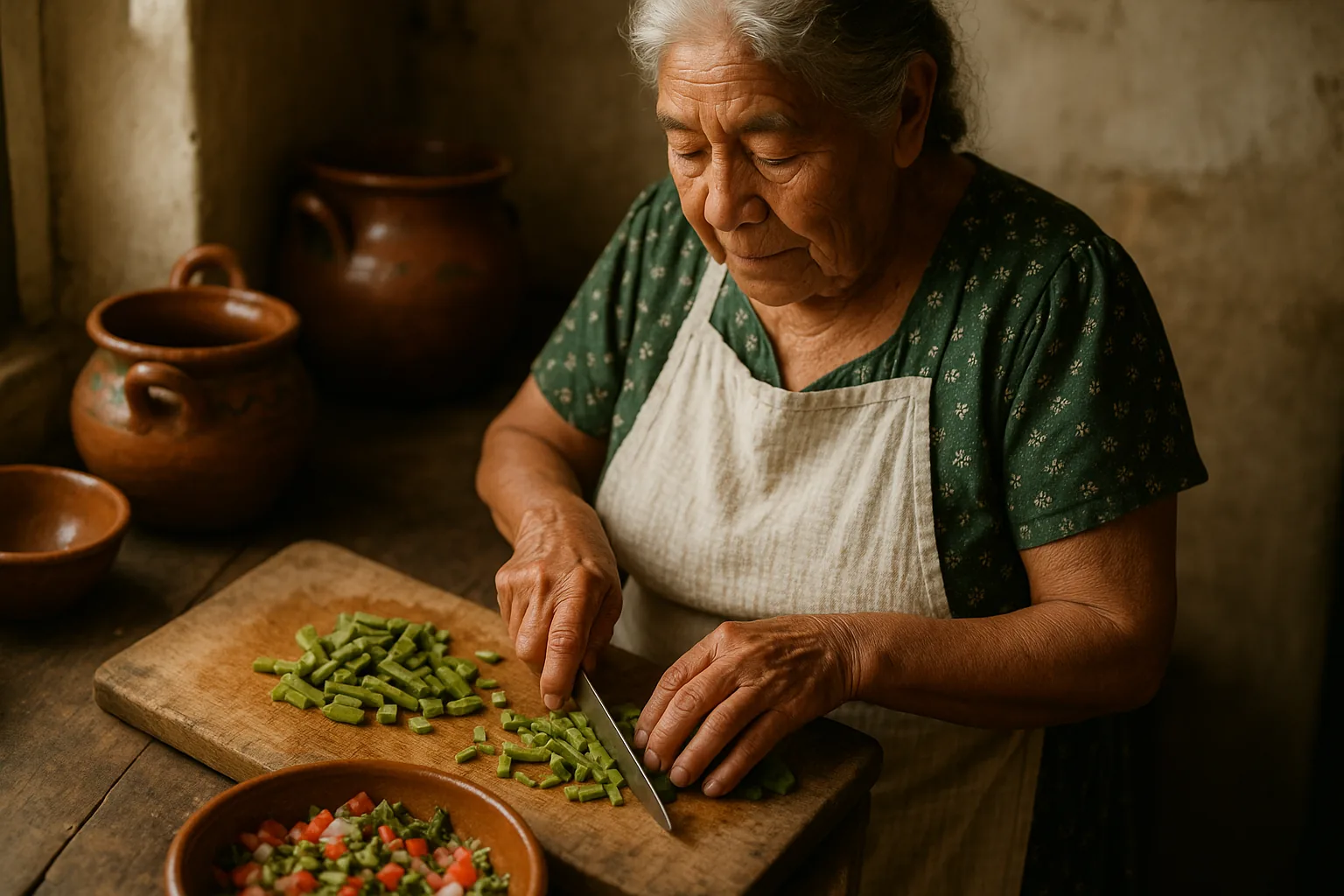
Your abuela probably told you nopal was good for blood sugar. Your doctor probably never mentioned it. The research says she was onto something real, but the picture is more complicated than either of them let on.
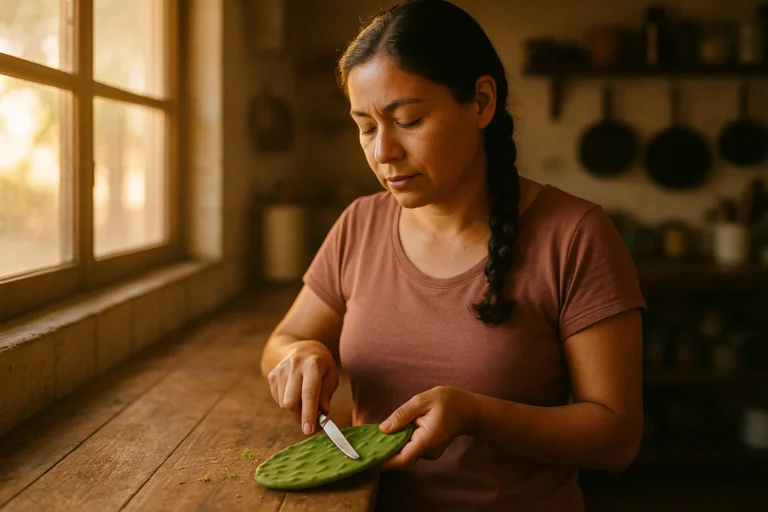
Nopal, or prickly pear cactus (Opuntia ficus-indica), is among the best-studied traditional Mesoamerican foods in the current biomedical literature. A 2022 review published in *Molecules* examined nopal’s effects across multiple metabolic pathways and found consistent signals for glucose reduction, lipid modulation, anti-inflammatory activity, and modest effects on body weight. The authors didn’t hedge: they described nopal as a “safe alternative” with genuine nutraceutical potential for preventing or managing obesity, dyslipidemia, and type 2 diabetes.
What’s doing the work? Several things. Nopal is rich in soluble fiber, particularly pectin and mucilage, which slow gastric emptying and blunt postprandial glucose spikes. It contains betalains, the pigments responsible for its color, which function as antioxidants and appear to reduce oxidative stress markers in human plasma. And it delivers meaningful amounts of polyphenols, including isorhamnetin and kaempferol, which have shown anti-inflammatory effects in both cell and animal models.
The human data on glucose is the strongest piece. Multiple small clinical trials have demonstrated that consuming nopal before or alongside a carbohydrate-rich meal reduces the postprandial glucose response. One frequently cited study by Frati-Munari and colleagues showed that 500 grams of broiled nopal stems significantly lowered serum glucose in participants with type 2 diabetes compared to controls. That’s not a supplement dose. That’s a plate of food.
But here’s where you need to slow down. Most of these trials are small, typically 20 to 40 participants. Many are short-term, measuring acute responses rather than sustained outcomes over months. The lipid data is more mixed, with some trials showing LDL reductions and others showing no significant change. And the weight loss evidence is preliminary at best, mostly extrapolated from fiber-related satiety mechanisms rather than demonstrated in rigorous weight-loss trials.
She wasn’t wrong. Your doctor wasn’t either. Nopal does real, measurable things — it’s just not a pharmacy. It’s a genuinely bioactive food with metabolic effects that hold up under scrutiny, but it’s not a substitute for metformin. The data supports eating it regularly, especially if you’re managing cardiometabolic risk. Which, given that Latinos in the U.S. face disproportionately high rates of type 2 diabetes — roughly 1 in 5 Hispanic adults compared to 1 in 8 non-Hispanic white adults, according to CDC surveillance data — matters more than most nutrition conversations acknowledge.
Chía Seeds and Omega-3s: Beyond the Pudding Trend
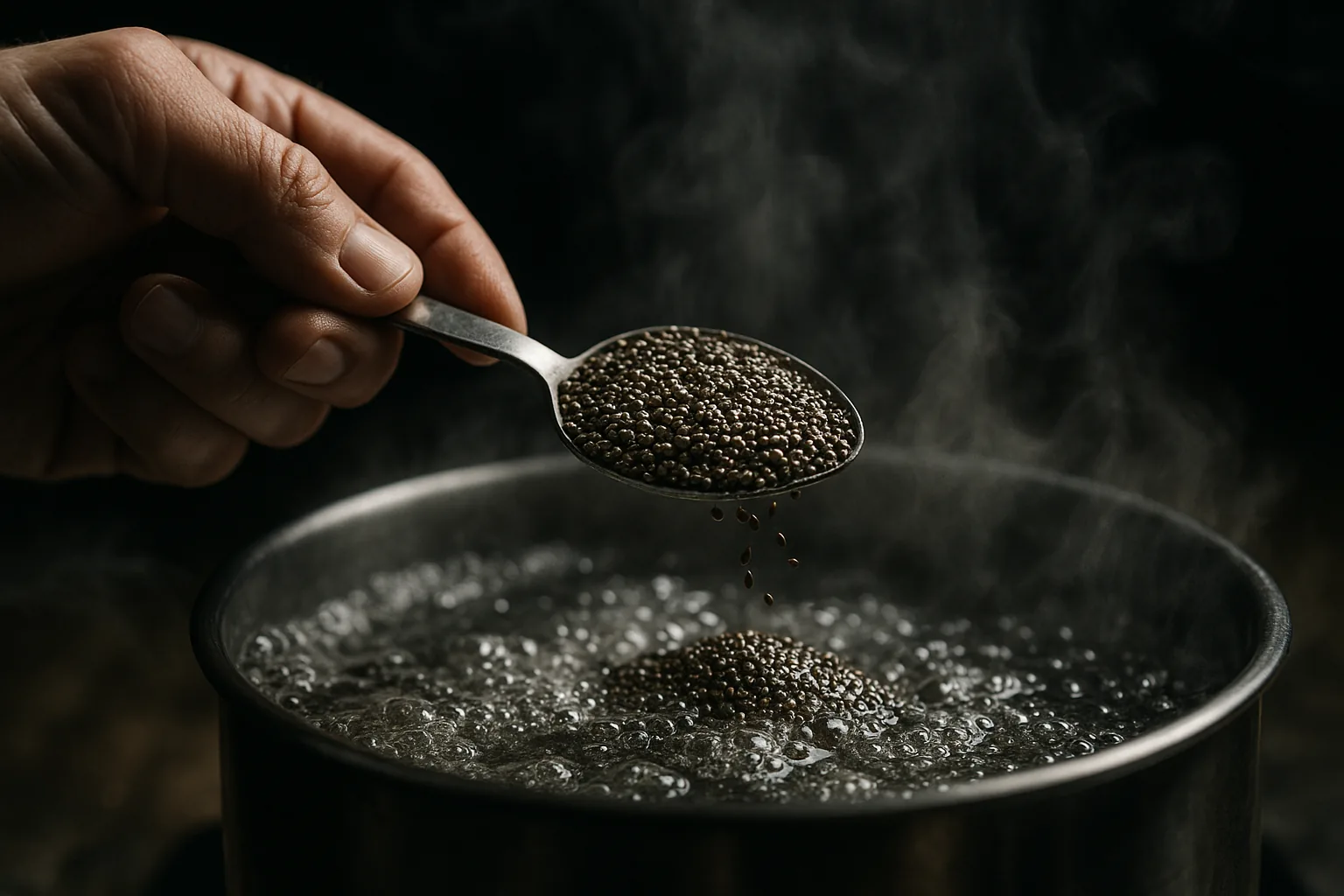
Chía has the odd distinction of being both ancient and trendy, a food that Aztec warriors carried as fuel and that millennial food bloggers rediscovered in 2012. The science doesn’t care about either narrative. It cares about what happens when you eat it.
Chía (Salvia hispanica) is one of the richest plant sources of alpha-linolenic acid (ALA), the omega-3 fatty acid that your body can partially convert to EPA and DHA. Two tablespoons of chía seeds deliver roughly 5 grams of ALA, plus 10 grams of fiber, 4 grams of protein, and a meaningful dose of calcium, magnesium, and manganese. The fiber is mostly soluble, which is why chía forms that gel when you soak it. That gel isn’t just texture. It slows digestion and moderates glucose absorption.
A narrative review published in the *Journal of Food Science and Technology* explicitly includes salba-chía, a trademarked high-ALA variety, among endemic Mexican foods with evidence for improving metabolic status in at-risk populations. Current systematic reviews place chía alongside nopal and cacao as foods with plausible effects on obesity, dyslipidemia, and cardiometabolic risk.
The human evidence is real but endpoint-specific. A 2017 randomized controlled trial published in *Nutrition, Metabolism and Cardiovascular Diseases* found that consuming 35 grams of chía flour daily for 12 weeks significantly reduced waist circumference and systolic blood pressure in overweight adults, though it didn’t change BMI or fasting glucose. A separate trial in the *European Journal of Clinical Nutrition* showed that adding 25 grams of ground chía to white bread reduced the postprandial glucose spike by 39% compared to white bread alone. That’s a meaningful acute effect.
Where it gets complicated: the ALA-to-EPA conversion in humans is notoriously inefficient, typically estimated at 5 to 10 percent, and the conversion to DHA is even lower, often below 1 percent. So while chía is a great source of plant-based omega-3, it doesn’t replace fatty fish or algae-derived DHA for cardiovascular or neurological endpoints that depend on those longer-chain forms. The generations who ate it for energy and satiety were right about what it does — the fiber and protein content absolutely deliver that. But the modern claim that chía replaces fish oil is a stretch the biochemistry doesn’t support.
The practical takeaway: chía is a legitimately nutrient-dense food that modestly improves several metabolic markers in human trials. Eat it for the fiber, the minerals, the ALA. Don’t eat it expecting it to solve inflammation the way marine omega-3s can.
Cacao’s Metabolic Promise Goes Beyond Antioxidants
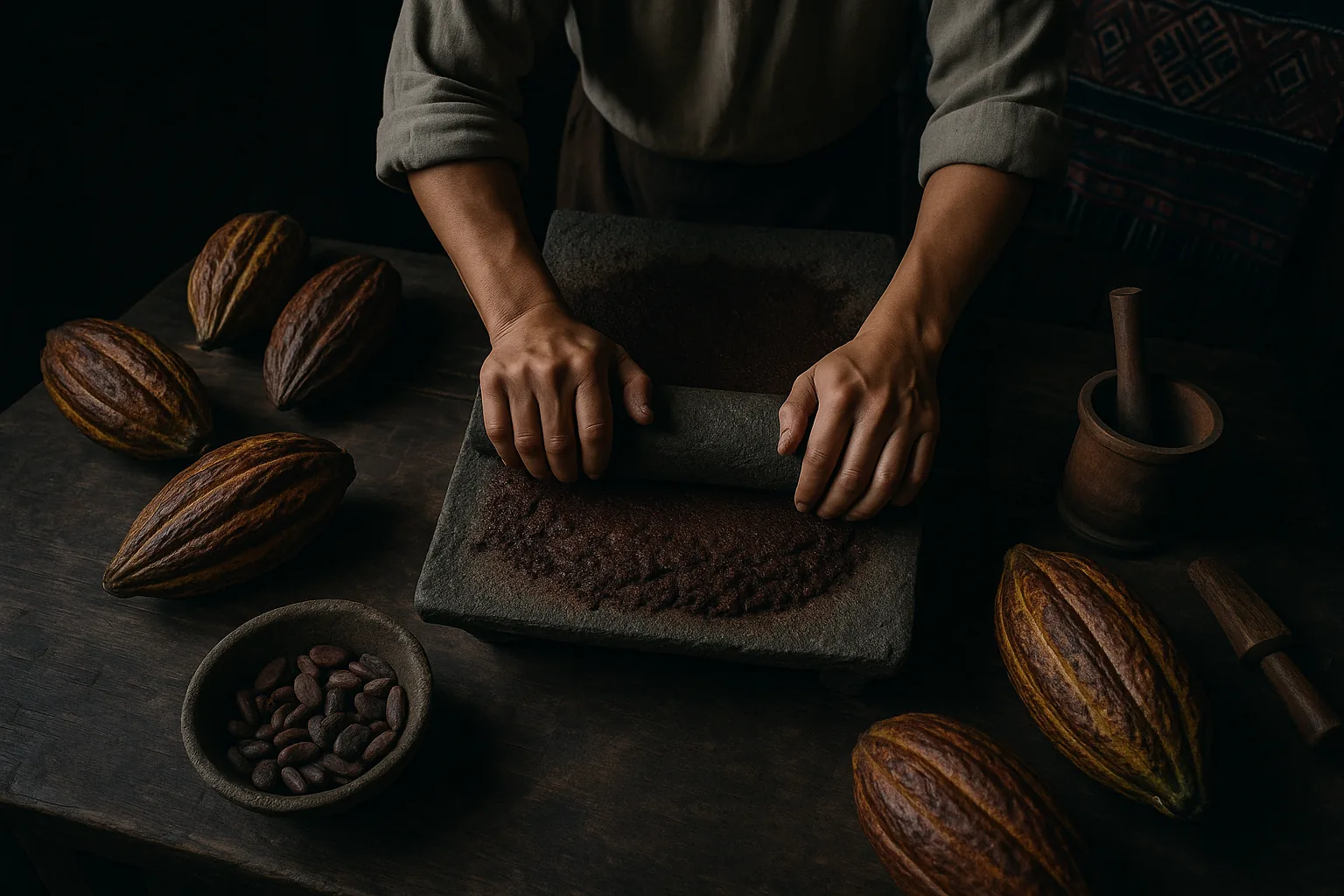
Your family probably drank chocolate before it was a bar. Mexican hot chocolate, champurrado, tejate. These are old preparations, and they’re closer to what researchers are actually studying than the candy aisle version.
Cacao (Theobroma cacao) is increasingly treated as a functional food in the metabolic literature, not just a ceremonial artifact. Reviews of traditional Mexican dietary patterns consistently include chocolate drinks as part of the documented food pattern, which matters because it connects modern research to centuries of actual consumption rather than decontextualized supplement claims.
The bioactive compound getting the most attention is epicatechin, a flavanol that has shown cardiovascular effects in human trials. A landmark 2012 meta-analysis in the *American Journal of Clinical Nutrition*, pooling data from 42 randomized controlled trials with over 1,200 participants, found that consuming cocoa products with high flavanol content (between 200 and 900 milligrams of flavanols daily) significantly reduced systolic and diastolic blood pressure. The mechanism involves nitric oxide-mediated vasodilation: epicatechin stimulates endothelial nitric oxide synthase, which relaxes blood vessel walls and improves blood flow.
More recent work has examined cacao’s effects on insulin sensitivity. A 2020 trial published in *Clinical Nutrition* gave participants 2.5 grams of high-flavanol cocoa extract daily for 12 weeks and found modest but statistically significant improvements in HOMA-IR, a standard measure of insulin resistance, compared to placebo. The effect sizes were small. But for a food-derived intervention in otherwise healthy adults, they’re noteworthy.
There’s also interesting data on cacao and gut microbiota. Cocoa polyphenols are poorly absorbed in the small intestine, which means they reach the colon intact, where they’re fermented by resident bacteria. This fermentation produces short-chain fatty acids, particularly butyrate, which strengthens the intestinal barrier and has anti-inflammatory effects. A 2021 human trial found that four weeks of high-flavanol cocoa consumption increased Bifidobacterium and Lactobacillus populations while reducing plasma C-reactive protein.
The catch, and it’s a significant one: dose matters enormously. The flavanol content of commercial cocoa powder varies wildly, from under 50 milligrams per serving in heavily dutched (alkalized) products to over 400 milligrams in minimally processed varieties. Most chocolate bars deliver trivial amounts of epicatechin alongside substantial sugar and fat. The traditional preparation — cacao ground with water, minimal sweetener, sometimes cinnamon or chili — is genuinely closer to what works in the trials than a Hershey bar. The old way, in this case, was the more scientifically defensible one.
Pulque and Fermented Corn: Ancestral Probiotics Before the Word Existed
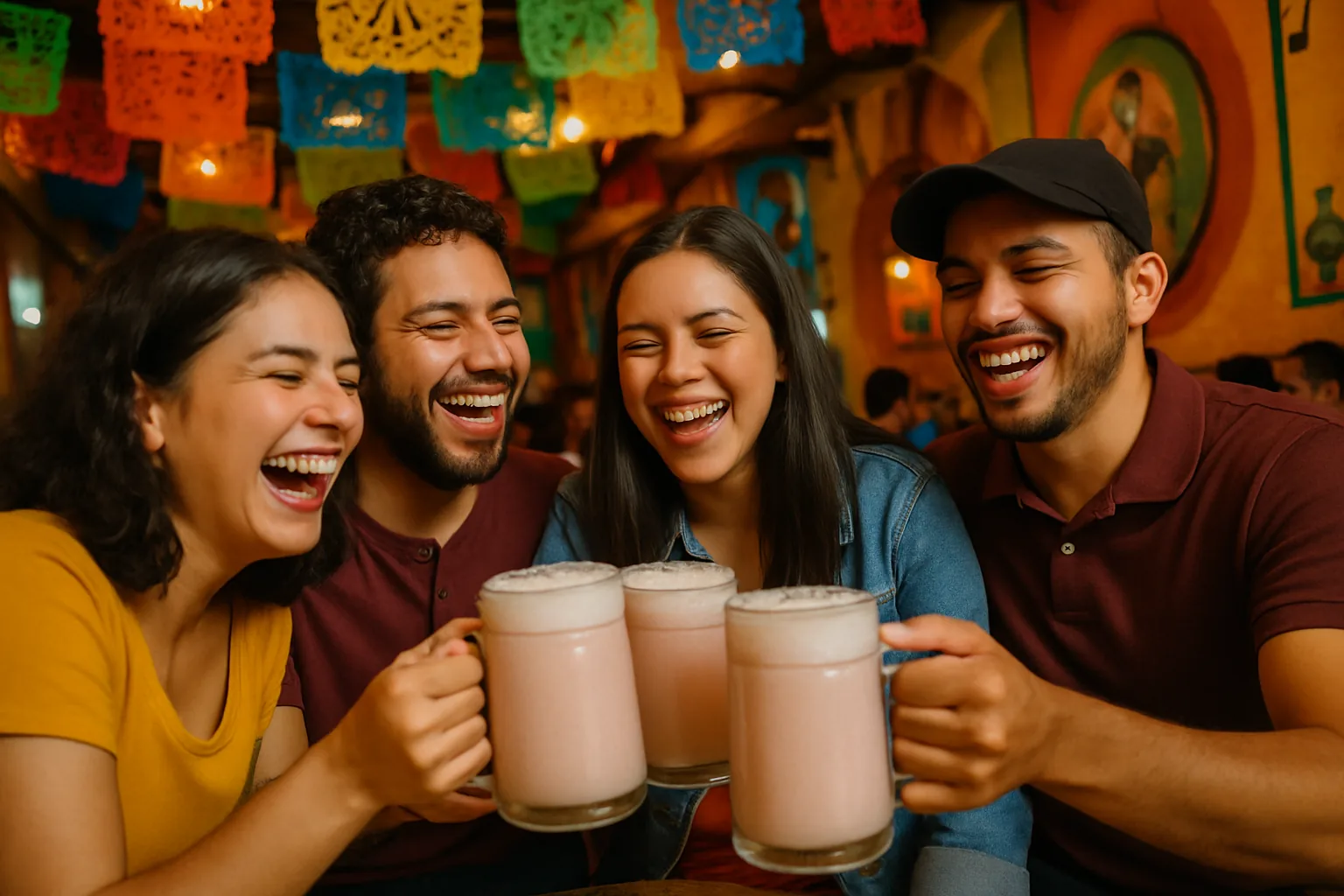
This one is where the tension between traditional knowledge and modern science gets most interesting.
Pulque, the fermented sap of the maguey (agave) plant, has been consumed in central Mexico for at least two thousand years. Pozol, a fermented corn drink from southern Mexico and Central America, has similarly deep roots. Neither ever needed the word “probiotic.” But that’s functionally what they deliver.
If you’ve ever been at a family gathering where someone’s uncle produced a jug of pulque — slightly viscous, sour, alive in a way that made you suspicious — you already know this isn’t a drink that translates easily to a label. It smells like the earth it came from. It’s thick enough that you notice it going down. And the person handing it to you isn’t thinking about colony-forming units. They’re telling you it’ll settle your stomach, help you sleep, put something back that the week took out.
Recent microbiological studies have isolated specific lactic acid bacteria from pulque, including strains of Lactobacillus, Leuconostoc, and Zymomonas, some of which have demonstrated cholesterol-lowering and antimicrobial effects in lab and animal models. Researchers catalogued what indigenous communities across Latin America have been fermenting for centuries — and a 2019 review in *Frontiers in Microbiology* laid out how many of those techniques actually work at a microbial level. The review specifically highlighted pulque-derived bacteria as candidates for probiotic development, noting that these organisms have co-evolved with human hosts over millennia in ways that commercial probiotics haven’t.
Pozol presents a parallel case. Researchers have isolated Lactobacillus plantarum and other beneficial strains from traditionally fermented pozol, and preliminary studies suggest these bacteria survive gastric transit, meaning they actually reach the colon alive, which is the basic requirement for any probiotic claim.
Here’s where it gets honest, though. The human clinical data on pulque and pozol specifically is thin. Most of the evidence comes from in vitro work and animal models. We know the organisms are there. We know they’re biologically active. We don’t yet have robust randomized controlled trials showing that drinking pulque improves measurable health outcomes in humans.
The knowledge passed down in families that served these drinks didn’t need that trial. Pulque settled the stomach. Pozol sustained workers through long days. The mechanisms behind those observations — gut health, satiety, digestive regularity — are plausible and increasingly supported by microbiome science. But the clinical evidence hasn’t caught up yet.
There’s also a cultural complication. Pulque carries stigma in some Mexican and Mexican-American communities, associated with poverty or excessive drinking. Its rehabilitation as a health food is as much a cultural project as a scientific one. The science can validate the biology, but it can’t resolve the social meaning.
What you do with this: if you have access to traditionally fermented pulque or pozol, you’re consuming a live-culture food with a microbial profile that commercial yogurt can’t replicate. That’s worth something. Just don’t mistake ancestral plausibility for clinical proof. The studies we need are being designed now. They haven’t been published yet.
Ajonjolí and Sesame Lignans: The Quietest Contender
Ajonjolí — sesame — is the one on this list that most people overlook. It doesn’t have nopal’s drama or cacao’s romance. It’s just there, on the bread, in the mole, ground into the sauce. Invisible.
But sesame seeds contain a lignan called sesamin that has generated genuine pharmacological interest. Sesamin is metabolized in the liver by cytochrome P450 enzymes into compounds called sesaminol catechols, which exhibit potent antioxidant and anti-inflammatory activity. A 2017 randomized controlled trial published in the *Journal of the American Heart Association* found that consuming 40 grams of sesame flour daily for 60 days significantly reduced malondialdehyde (a marker of oxidative stress) and improved antioxidant enzyme activity in adults with type 2 diabetes.
Separate work has looked at sesamin’s effects on lipid metabolism. A 2019 meta-analysis of nine clinical trials found that sesame consumption significantly reduced total cholesterol and LDL cholesterol, with mean reductions of about 8 mg/dL and 6 mg/dL respectively. These are modest effects. But for a food you’re already eating, they’re free.
There’s also emerging human data on sesame and blood pressure. A small 2021 crossover trial found that 2.5 grams of sesame oil daily for four weeks reduced systolic blood pressure by an average of 3.5 mmHg in adults with mild hypertension. The proposed mechanism involves sesamin’s inhibition of delta-5-desaturase, an enzyme in the arachidonic acid pathway that’s involved in producing pro-inflammatory eicosanoids.
Your abuela sprinkled ajonjolí on everything because it tasted right. She wasn’t calculating sesamin doses. But the consistent, low-level exposure that comes from a dietary pattern where sesame is ever-present may actually be doing more than anyone realized. The accumulating clinical evidence suggests that regular consumption — not supplementation, not capsules, just food — contributes to measurable metabolic improvements.
Where Both Were Right and Where Neither Was
Here’s the honest pattern across all five of these foods. The women who fed you knew what worked. They identified foods that sustain, that settle, that strengthen. Their knowledge was empirical, built over generations of observation. They didn’t need a control group because they had a thousand years of uninterrupted dietary data.
Your doctor was right about the standard. Anecdote isn’t evidence. Tradition isn’t proof. And the gap between “this food contains a bioactive compound” and “this food reliably treats a disease in humans” is wide enough to drive a pharmaceutical company through.
The research shows something more nuanced than either perspective. Nopal genuinely lowers postprandial glucose. Chía genuinely delivers fiber and ALA in metabolically relevant amounts. Cacao flavanols genuinely improve endothelial function. Sesame lignans genuinely modulate lipids. Fermented staples genuinely contain organisms with probiotic potential. These aren’t fantasies. They’re measured effects.
But the effect sizes are modest. The trials are small. The long-term data is sparse. And the leap from “this food does something measurable” to “this food prevents disease” requires evidence that mostly doesn’t exist yet.
The tension is real, and you don’t have to resolve it. You can hold both truths: these foods are more bioactive than mainstream nutrition ever acknowledged, and they’re less proven than the wellness industry claims.
One Recommendation Worth Following
Eat these foods as foods. Not as supplements, not as powders, not as $12 lattes. The human data that exists is strongest for whole-food consumption in dietary context — meaning nopal on your plate, chía in your agua, cacao ground into a drink, sesame on your bread, fermented corn or agave in its traditional form.
The dose that shows up in the literature isn’t exotic. It’s 200 to 500 grams of nopal. It’s 25 to 35 grams of chía. It’s 200 to 900 milligrams of cacao flavanols, which is roughly a cup of minimally processed hot chocolate. It’s 40 grams of sesame. These are kitchen quantities, not pharmacy quantities.
If you grew up eating these foods, you don’t need to start. You need to not stop. And if your doctor raises an eyebrow, you now have citations to share. The data isn’t conclusive. But it’s no longer absent. And that distinction — between absent evidence and emerging evidence — is exactly the space where inherited knowledge and modern science are finally learning to occupy the same room.