Does Manzanilla Actually Work, or Is It Just the Ritual?
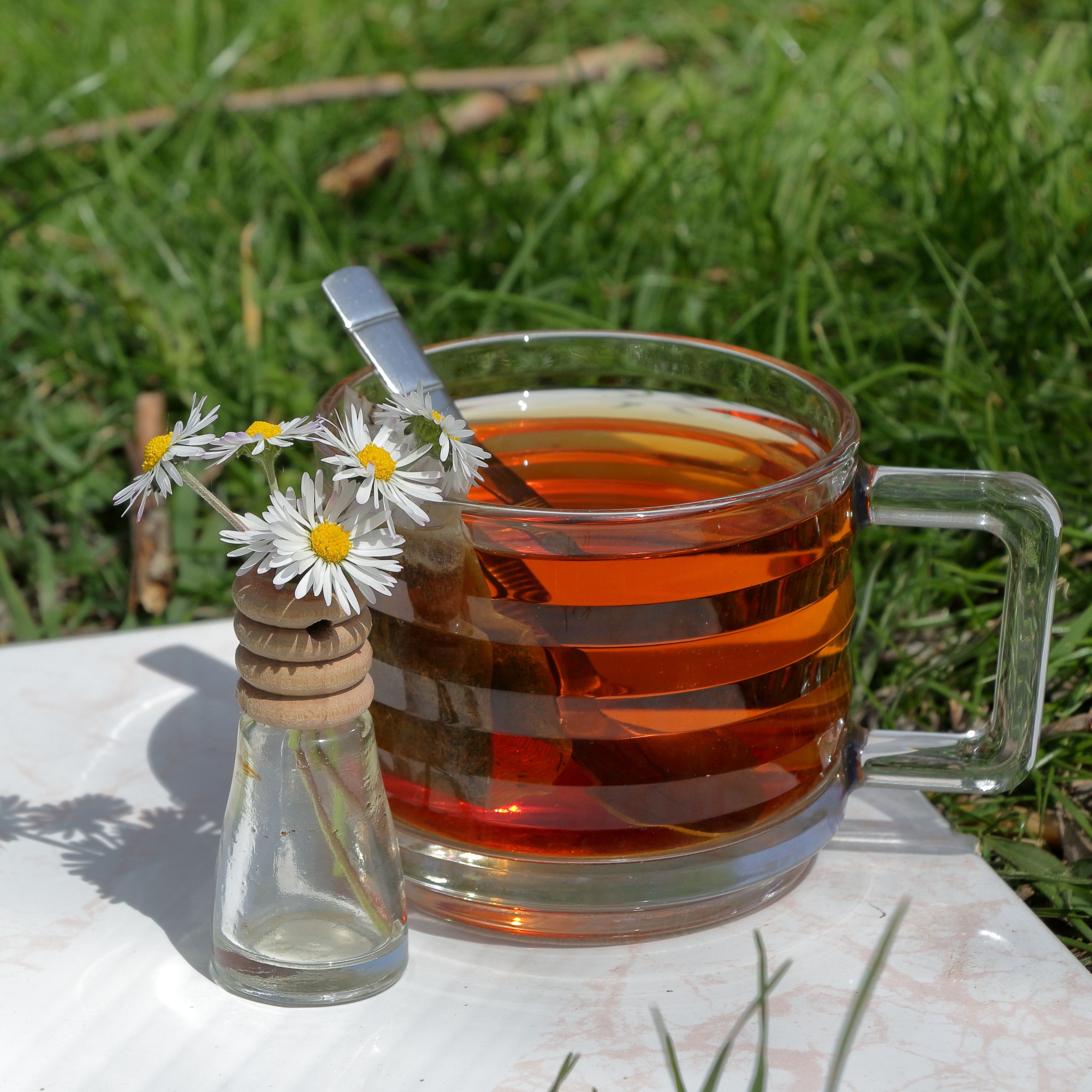
You already know this scene. The kettle’s going. Someone pulls a box of manzanilla from a cabinet shelf that hasn’t been reorganized since 2014. The tea bag goes in a mug, maybe one with a faded logo from a dentist’s office, maybe one your tía brought back from Guadalajara. Hot water. A minute or two. No timer. No ceremony. You drink it because someone told you to, or because you’ve always drunk it, or because your stomach hurts and this is what happens next. Latino herbal teas for sleep, digestion, and anxiety are so embedded in Latino households that they stopped registering as a choice a long time ago. They became furniture.
Now they’re back. Not as furniture, but as something younger Latinos are choosing on purpose, repackaging with intention, and folding into nightly wind-down routines documented on TikTok, shared in group chats, and debated at length on Reddit threads about sleep and anxiety. The question nobody in the family ever answered, though, is the obvious one: does the tea actually do anything, or does the ritual do the work?
The honest answer is more interesting than either side wants to admit.
*This article is for informational purposes only and is not medical advice. If you’re managing anxiety, insomnia, or any diagnosed condition, consult a qualified healthcare provider before changing your routine or adding herbal products.*
Why Gen Z and Millennials Are Brewing Ancestral Teas Again
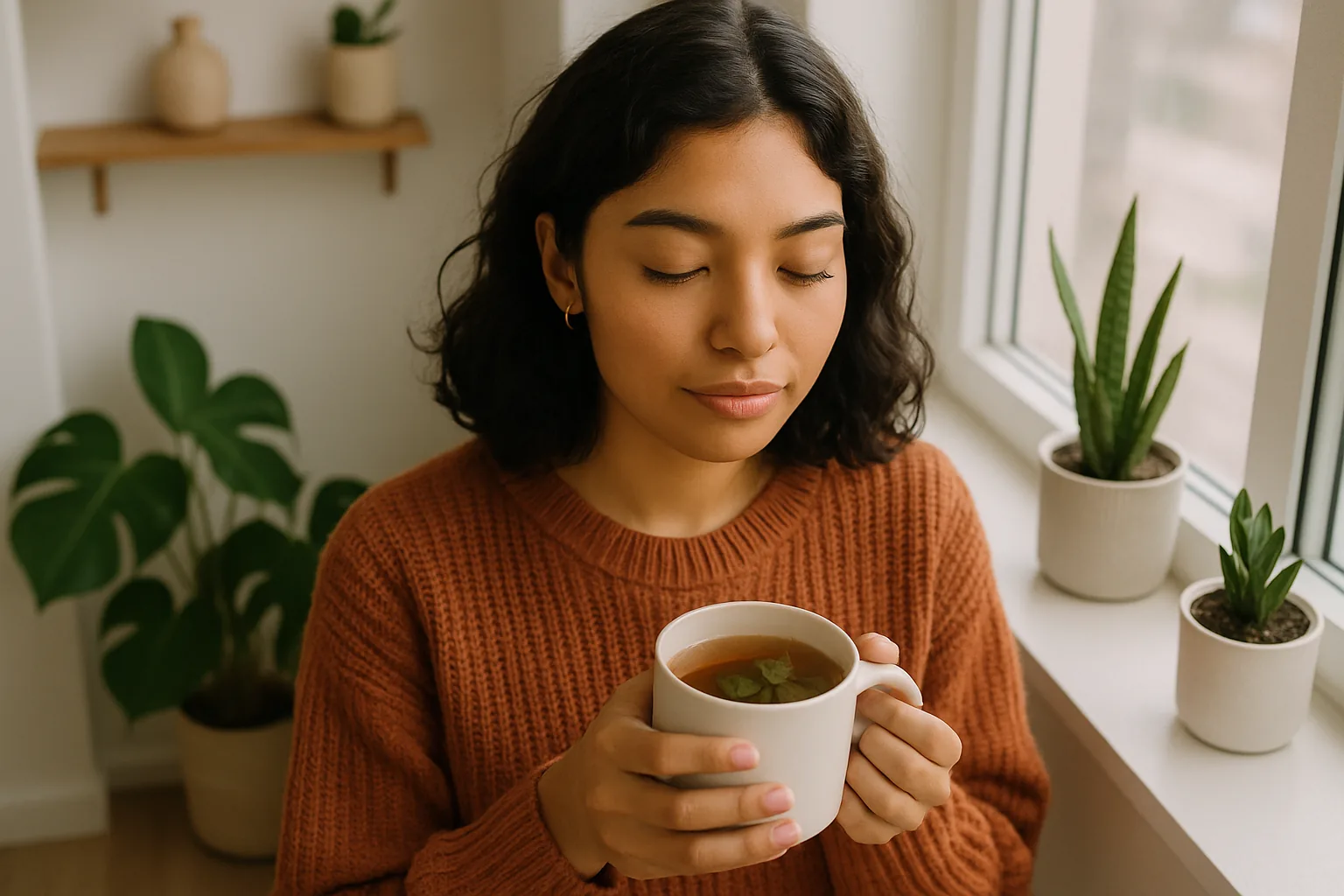
The return isn’t nostalgic in the way older generations might assume. Younger Latinos aren’t brewing tila because abuela said so. According to a [2023 BELatina feature on the resurgence of Latin American herbal traditions](https://www.belatina.com), they’re choosing it “on their own terms,” folding it into routines that look less like obedience and more like curation. The mug is nicer. The lighting is intentional. There might be a journal next to the cup, or a face mask going on at the same time. The tea is one element of a deliberate pause, a micro-routine designed to signal the nervous system that the day is ending.
A study examining natural product use among Latino and Hispanic adults in the U.S. found chamomile tea among the most frequently reported remedies, used for everything from stomach discomfort to anxiousness to sleep trouble. That tracks. What’s shifted isn’t the ingredient but the framing. A 2022 market analysis published by Euromonitor International on Mexico’s hot drinks sector found that younger buyers said they wanted tea specifically for digestion, relaxation, sleep, and antioxidant support, and they were gravitating toward iced formats and fruit-forward profiles. The function comes first now. The heritage comes second, but it still comes.
This is happening inside a broader generational trend. Gen Z tea drinkers across demographics are reaching for ginger, turmeric, adaptogen blends, and what marketers call “clear label” functional teas. But for Latino consumers specifically, the overlap between what’s trending and what’s been in the pantry for three generations creates a unique position: the “new” wellness product is already culturally familiar. You don’t need to discover chamomile at a boutique. You just need to stop ignoring the box your mom left on the counter.
Manzanilla: The Compound Your Abuela Knew by Instinct
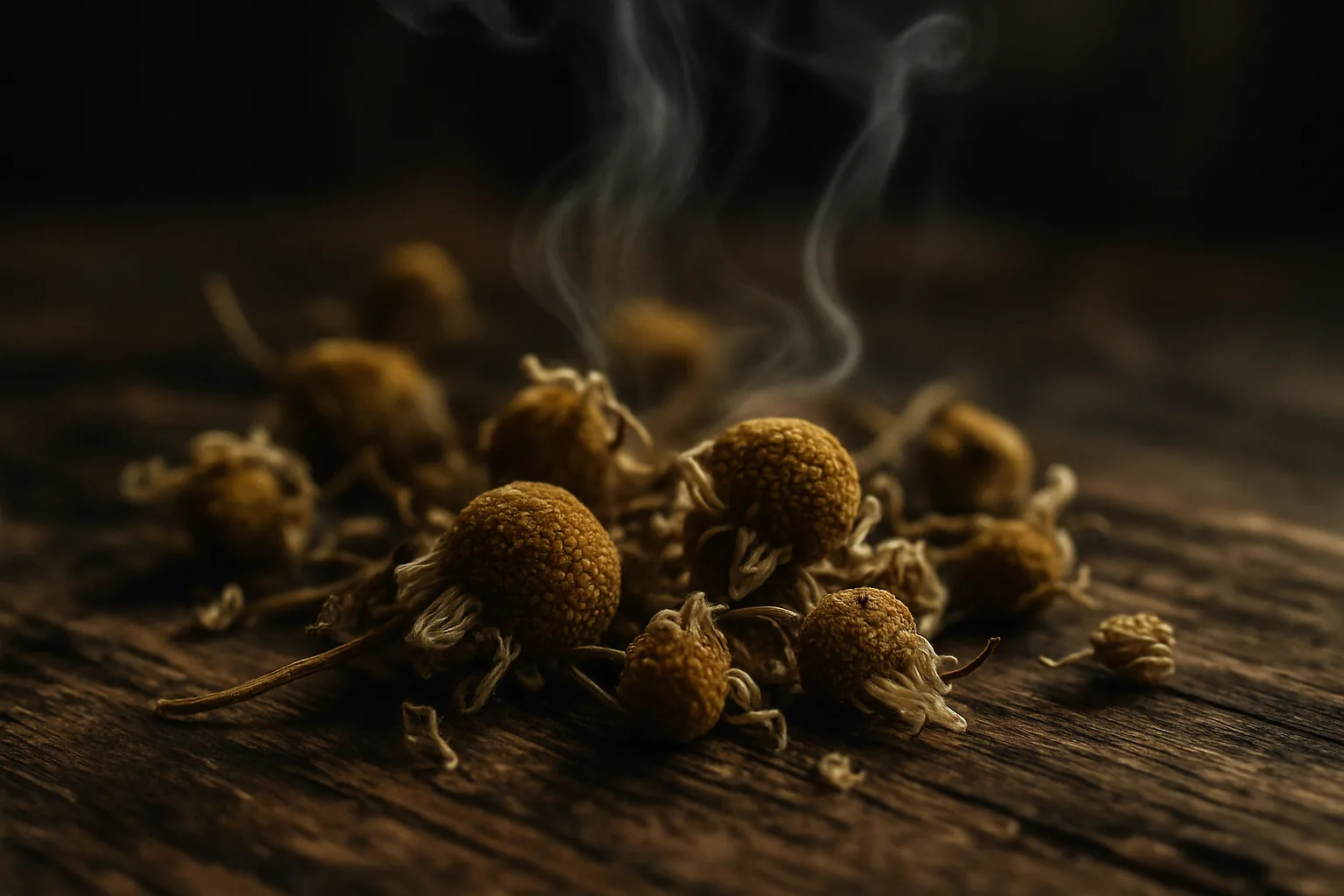
Of all the ancestral teas circulating in Latino wellness conversations, manzanilla (chamomile, specifically *Matricaria chamomilla*) has the most clinical backing. That doesn’t mean it’s a pharmaceutical. It means researchers have actually studied it enough to say specific things.
The primary active compound is apigenin, a flavonoid that binds to benzodiazepine receptors in the brain. This is worth pausing on. Benzodiazepine receptors are the same targets that drugs like diazepam (Valium) act on. Apigenin doesn’t hit them nearly as hard — its binding affinity is substantially weaker, which means the clinical effect is not comparable to a prescription benzodiazepine. Binding to a receptor and producing the same magnitude of response are two different things. Apigenin is not going to sedate you the way a prescription anxiolytic would. But the binding is real, measurable, and dose-dependent. In preclinical models, apigenin has shown anxiolytic and mild sedative effects at concentrations consistent with what you’d get from a strong cup of chamomile tea. Estimates for apigenin content in a serving of chamomile tea vary across the literature — one frequently cited analysis in *Molecular Nutrition & Food Research* (Shukla & Gupta, 2010) suggests roughly 3 to 10 mg per serving depending on steep time, water temperature, and flower density — though exact figures depend heavily on the source material and preparation method.
A randomized controlled trial published in *Phytomedicine* in 2016 (Mao et al.) tested chamomile extract (500 mg capsules of pharmaceutical-grade chamomile, standardized to 1.2% apigenin) in 179 adults with moderate-to-severe generalized anxiety disorder over eight weeks. The chamomile group showed a significant reduction in GAD-7 anxiety scores compared to placebo. The effect size was modest but consistent, and the study also found that chamomile significantly reduced body weight and mean arterial blood pressure, suggesting broader physiological effects beyond anxiety reduction. A separate 2011 pilot study in the *Journal of Clinical Psychopharmacology* (Amsterdam et al.) found that chamomile extract reduced symptoms in patients with comorbid anxiety and depression, though the sample was small.
For sleep specifically, a 2017 trial in *Complementary Therapies in Medicine* gave 60 elderly participants 400 mg of chamomile extract daily. After 28 days, the chamomile group showed statistically significant improvements in sleep quality measured by the Pittsburgh Sleep Quality Index compared to controls.
Now, here’s the tension. These studies used standardized extracts in capsule form, not a tea bag from the grocery store steeped for ninety seconds. The bioavailability of apigenin from a typical cup of chamomile tea is lower and more variable than from a capsule calibrated to deliver a specific milligram dose. Does that mean the tea doesn’t work? No. It means the tea delivers a lower, less predictable dose of the same compound that performed well in trials. If you’re steeping loose dried chamomile flowers for ten to fifteen minutes in covered hot water, you’re extracting more apigenin than a quick dunk-and-toss. If you’re using a commercial tea bag with mostly stems and dust, you’re getting less.
Your abuela probably steeped it long. She was right.
Tila and Toronjil: Heritage Over Hard Data

Té de tila (*Tilia* species, commonly linden flower) occupies a particular emotional register in Mexican and Central American households. It’s the nervios tea. The one someone makes when you can’t stop crying, when the anxiety is visible, when sleep won’t come. In Mexico’s traditional medicine system, tila is classified as a calming agent, and its use for anxiety and insomnia stretches back centuries.
The pharmacology is less established than chamomile’s but not absent. Linden flower contains flavonoids, including quercetin, kaempferol, and tiliroside, as well as volatile oils like farnesol. Some of these compounds have shown anxiolytic activity in animal models. A 2008 study in *Journal of Ethnopharmacology* found that aqueous extracts of *Tilia americana* var. *mexicana* produced sedative and anxiolytic effects in mice at doses equivalent to a moderately strong human tea serving. The mechanism appears to involve GABAergic modulation, meaning it interacts with the same neurotransmitter system that chamomile’s apigenin targets, though through different molecular pathways.
But here’s what’s missing: large, well-designed human trials. The evidence for tila in people is mostly ethnobotanical documentation and self-report surveys. That doesn’t make it useless. It makes it under-studied. There’s a difference, and it matters because “no evidence” and “evidence of no effect” are not the same sentence.
Toronjil (*Melissa officinalis*, lemon balm) has slightly more clinical attention in the Western literature, though it circulates in Latino households under its Spanish name and often gets lost in translation. A 2014 randomized, double-blind trial in *Complementary Therapies in Clinical Practice* gave 80 patients with chronic stable angina 3 grams daily of lemon balm supplementation for eight weeks and found significant reductions in anxiety and sleep disturbance. Another small study in *Nutrients* (2014) tested 600 mg of lemon balm extract and reported improvements in mood and cognitive performance in healthy young adults. The key active compounds include rosmarinic acid, which inhibits the enzyme GABA transaminase, effectively slowing the breakdown of GABA in the brain. More GABA available at the synapse generally means more calm.
Again, these are extract doses, not tea-strength infusions. But toronjil brewed strong and long gives you a meaningful amount of rosmarinic acid. One analysis found that a 150 ml cup of lemon balm tea steeped for ten minutes contained approximately 12 to 36 mg of rosmarinic acid depending on plant quality and water temperature. That’s pharmacologically relevant, even if it’s not a capsule.
Boldo: The Digestive One That Needs a Warning Label
Boldo (*Peumus boldus*) is the outlier in this group. It’s not for calming you down or putting you to sleep. It’s the after-meal tea, the one brewed when lunch was too heavy, when the stomach feels stuck, when digestion needs a push. In Chilean and broader South American tradition, boldo is the liver and gallbladder tea. It’s bitter, aromatic, and assertive.
The primary alkaloid is boldine, an aporphine alkaloid with documented antioxidant, anti-inflammatory, and choleretic (bile-stimulating) properties. A study in *Planta Medica* demonstrated that boldine increases bile flow in animal models, which provides a plausible mechanism for its traditional use as a digestive aid. More bile secretion means better emulsification of dietary fats, which means less of that heavy, stuck feeling after a rich meal.
But boldo carries a risk profile that the other teas on this list don’t. It contains ascaridole, a terpene peroxide that’s hepatotoxic at high doses. The essential oil of boldo is considered dangerous enough that many herbal medicine authorities advise against using it in concentrated form. Standard tea preparations, where you’re steeping a few dried leaves rather than ingesting essential oil, deliver far less ascaridole and have been used traditionally without widespread reports of toxicity. Still, the margin is worth respecting. Prolonged daily use of boldo tea at high concentrations is not something you should do casually, particularly if you have existing liver conditions or are taking medications metabolized by the liver’s cytochrome P450 system.
This is where the “it’s natural, so it’s safe” logic breaks down. Boldine is a real compound with real pharmacological activity. Ascaridole is a real toxin. The dose, as always, determines whether the substance helps or harms. One cup of boldo tea after a heavy comida is traditional, reasonable, and likely beneficial for digestion. Six cups a day for a month is not.
The Ritual Effect: When the Cup Matters More Than the Chemistry
Here’s where the conversation gets uncomfortable for purists on both sides. Some of the benefit of these teas is almost certainly coming from the act of making and drinking them, not from the molecules dissolved in the water.
This isn’t a dismissal. The ritual effect is physiologically real. When you perform a predictable, multi-sensory routine before bed, you’re training your autonomic nervous system to begin its parasympathetic shift. The smell of chamomile, the warmth of the mug in your hands, the ten minutes of stillness while you wait for it to cool: these are conditioned cues. Over time, they become as effective at triggering relaxation as the apigenin itself, maybe more effective, because the ritual happens every night and the pharmacological dose varies.
A 2010 paper in *Philosophical Transactions of the Royal Society B* outlined how placebo responses in pain and anxiety are mediated by endogenous opioid and dopamine release. In other words, believing the tea will calm you down can literally cause your brain to produce calming neurochemistry. This isn’t weakness. It’s how the brain works. And when the ritual has cultural weight, when it connects you to your mother, your grandmother, your kitchen growing up, the conditioned response may be even stronger because the emotional associations are deeper.
Latino herbal-remedy research frequently relies on self-perceived effectiveness as a primary measure. Critics call this soft data. But for outcomes like “I feel less anxious” and “I fell asleep faster,” self-perception is arguably the most relevant data point there is. You can measure cortisol levels and sleep latency in a lab, and those numbers matter. But if someone brews tila every night and reports feeling calmer, that felt calm is the outcome they were after. The mechanism, whether pharmacological, placebo-mediated, or ritualistic, is secondary to the person living inside the result.
That said, the ritual alone can’t treat clinical anxiety disorder, chronic insomnia, or gastrointestinal pathology. Knowing where the line is matters. The tea is a micro-routine. It’s not a treatment plan.
A Concrete Protocol: What to Brew, How Much, and When
If you want to take your nightly tea seriously rather than just symbolically, here’s what the evidence and traditional practice together suggest.
For stress and mild anxiety, brew manzanilla using 2 to 3 grams of dried whole chamomile flowers (not a standard tea bag, which typically contains about 1 gram of lower-grade material) in 200 to 250 ml of water just off the boil. Cover the cup while steeping for 10 to 15 minutes to prevent the volatile oils from escaping as steam. Drink 30 to 60 minutes before bed. This maximizes apigenin extraction and gives the compound time to cross the blood-brain barrier before you’re trying to fall asleep.
For nervios or acute stress response, tila steeped similarly, 2 grams of dried linden flowers, covered, 10 minutes, is a reasonable traditional approach. Combine it with toronjil (lemon balm) if you have access to both. A blend of 1.5 grams linden and 1.5 grams lemon balm gives you GABAergic activity from two complementary pathways without overloading on either.
For post-meal digestive heaviness, brew 1 to 1.5 grams of dried boldo leaves for no more than 10 minutes. Use it occasionally, not daily. If you’re on prescription medication, talk to your doctor before making boldo a regular habit because of the cytochrome P450 interaction potential.
For all of these, loose dried herbs steeped in covered vessels outperform standard tea bags by a wide margin in terms of active compound extraction. Mexican and Latin American herbal vendors, whether at your local mercado or online, sell these herbs in bulk at a fraction of what boutique “functional tea” brands charge for the same plants in prettier packaging.
One Recommendation Worth Remembering
The smartest thing you can do with your nightly tea is stop treating it as either ancient wisdom beyond question or folk nonsense beneath scrutiny. It’s neither. It’s a low-cost, low-risk daily practice with variable but real pharmacological activity, amplified by a ritual effect that your neurobiology takes seriously even if your skeptical mind doesn’t.
Brew it stronger. Steep it longer. Cover the cup. Use whole flowers and leaves instead of commercial dust. And let the ten minutes of doing nothing while the water does its work be the point as much as the product. That pause, the one where you’re not looking at your phone, not answering anyone, not performing anything for an audience, is doing something your prefrontal cortex desperately needs. The apigenin is a bonus.
Your abuela didn’t have a word for parasympathetic activation. She didn’t need one. She just handed you the cup.
*None of the information in this article is intended to diagnose, treat, cure, or prevent any disease. Herbal teas can interact with prescription medications and may not be appropriate for pregnant or nursing individuals, children, or people with liver conditions. Always consult your healthcare provider before using herbal products as part of your health routine.*